What Minor Issues Should You Fix Before Guests Arrive?
Minor Issues Should You Fix
Before guests arrive, it’s often the tiny details that decide how “ready” a home feels. You don’t always notice them in daily life, but once someone is coming over, even the smallest things start to stand out. A quick check and a few simple fixes can make everything feel more comfortable without much effort.
- Check doors for noise or sticking.
- Fix any dripping taps or leaks.
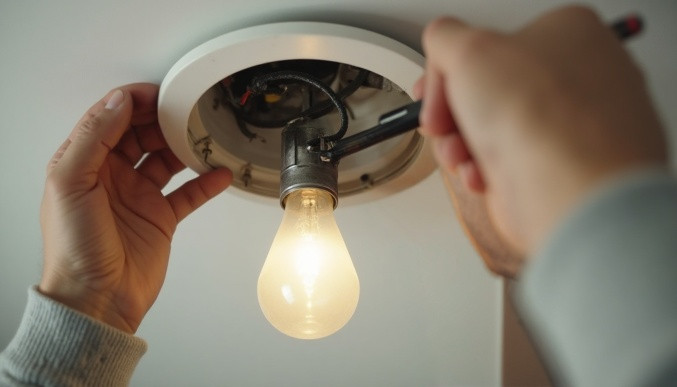
- Replace flickering or dead bulbs.
- Wipe visible wall marks and scuffs.
- Tighten loose handles or fittings.
- Do a quick tidy of main spaces.
When people are getting ready to host guests, it’s usually the small things that suddenly stand out. A door that’s been squeaking for months becomes very noticeable when someone new walks in. A tiny stain on the wall that you stopped seeing weeks ago somehow looks bigger on the day of a visit. It’s not about having a perfect home, it’s just that guests tend to notice details that we usually ignore in daily life.
The funny part is, most of these issues are minor. They don’t affect how the home functions day to day, but they can change how comfortable and “put together” the space feels. That’s why doing a quick round of checks before guests arrive can make a surprising difference.
Door and lock issues
Doors are one of the first things guests interact with, so even small faults become obvious straight away. A squeaky hinge, a stiff handle, or a door that doesn’t close smoothly can create an impression that things are a bit neglected, even if everything else is fine.
In many homes, the problem is usually simple: hinges just need oiling, or screws have loosened over time. A door that drags slightly on the floor can also be adjusted without much effort. These are the kind of last minute home repairs people often postpone, but they stand out more when guests are around.
Even locks matter more than people think. A slightly jammed lock or a handle that feels loose can make visitors hesitate or feel uncomfortable. It’s not about security in a serious sense, but about the feeling of ease when someone enters your home.
If you only have a short window before guests arrive, focus on doors they’ll use most: the main entrance, bathroom door, and living room access. A few minutes of attention here can make the whole home feel more polished without needing any major work.
Bathroom small problems
Bathrooms are one of those places where even the smallest issue becomes very noticeable. A dripping tap, for example, is something most homeowners get used to over time, but guests tend to notice it immediately because of the sound. The same goes for a toilet that keeps running quietly in the background.
Sealant lines around sinks or showers are another detail that can affect the overall feel. If they look worn or slightly discoloured, it can make the bathroom feel older or less clean, even if everything is actually fine. A quick refresh or simple clean-up can change the impression quite a lot.
This is also where people often realize the importance of a handyman before guests arrive type of fixes. Things like loose towel rails, unstable toilet seats, or minor leaks usually don’t feel urgent until you know someone else will be using the space.
Lighting in bathrooms also plays a role. A dim or flickering bulb can make the whole space feel less welcoming. Replacing it takes only a few minutes but improves the overall feel immediately.
Lighting issues
Lighting affects mood more than most people realize. A single flickering bulb in a hallway or living room can create a sense that something isn’t quite right, even if everything else looks fine. Guests might not mention it, but they definitely notice it.
One common issue is bulbs that are starting to fail but haven’t fully gone out yet. People tend to ignore them because the light still works, just not consistently. Another issue is uneven lighting, where one corner of a room feels noticeably darker than the rest.
Before guests arrive, it’s worth doing a slow walk through the home in the evening or with curtains closed. That’s usually when lighting problems become obvious. Check hallways, entrance areas, and living spaces first.
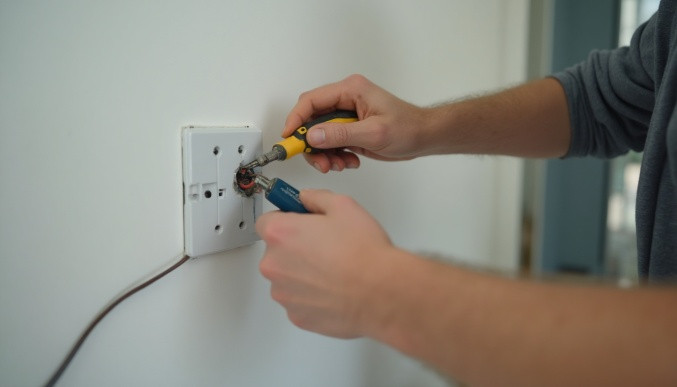
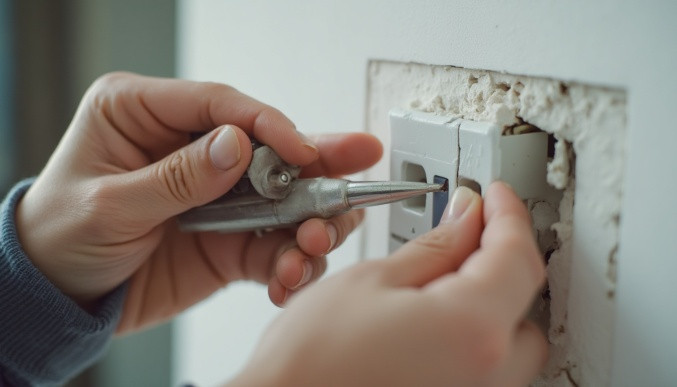
Switches are another small detail. A switch that feels loose or doesn’t respond properly can make a space feel older than it is. These small electrical issues don’t take long to fix, but they do improve the overall impression of the home significantly.
Wall and visual marks
Walls are one of the biggest “background” elements in any home, and they quietly influence how clean or maintained a space feels. Small scuff marks near corners, fingerprints around light switches, or scratches from furniture are all things homeowners stop noticing over time.
Guests, however, tend to see them immediately because they’re looking at the space with fresh eyes.
Light cleaning can solve many of these issues. A simple wipe-down of high-traffic areas often makes a bigger difference than expected. For deeper marks, a quick touch-up with
paint can help, especially in living rooms or hallways where people spend most of their time.
Furniture-related damage is another common one. Chairs rubbing against walls, bags hitting corners, or small dents from moving items can all add up visually. None of these are major problems on their own, but together they can make a room feel slightly worn.
This is the kind of area where small preparation efforts matter more than big changes. You don’t need to repaint an entire room; just addressing the most visible spots can already improve the atmosphere.
Kitchen and living room readiness
The kitchen and living room are usually where guests spend most of their time, so even minor issues here become more noticeable. A loose cabinet handle, a slightly misaligned drawer, or a sticky cupboard door might not bother you day-to-day, but they can stand out when someone else is using the space.
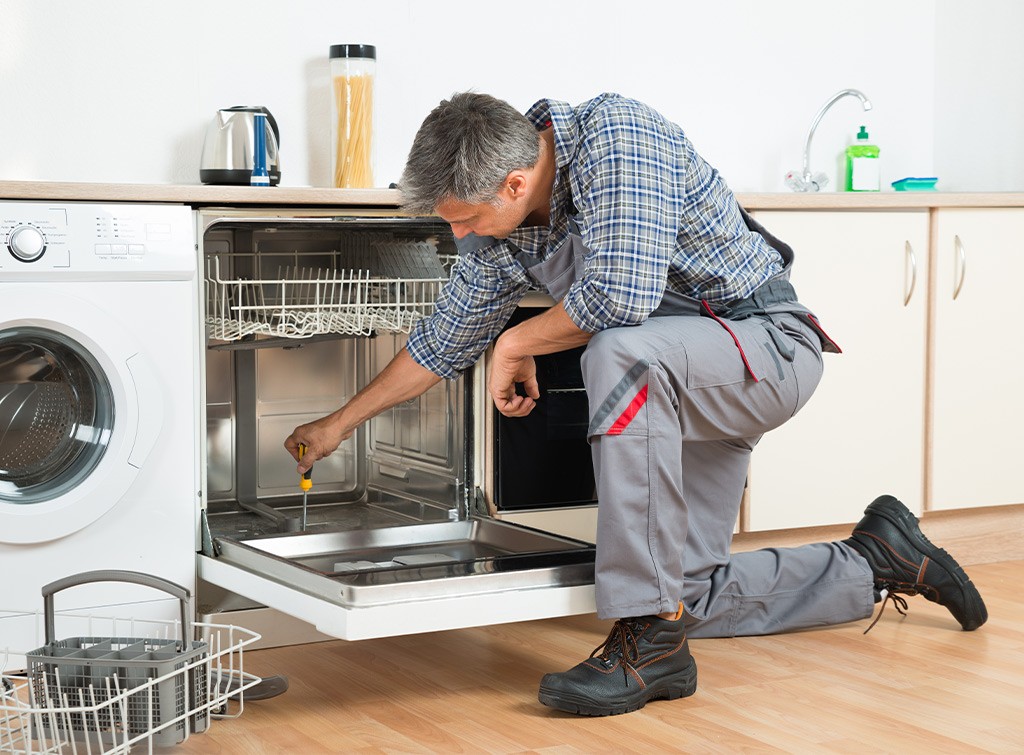
In the kitchen, small things like leaking taps or noisy appliances also matter more than expected. Even a fridge door that doesn’t close properly can create a small moment of awkwardness if guests notice it.
In the living room, it’s often about comfort and visual balance. A wobbly coffee table, a broken blind cord, or uneven lighting can slightly disrupt the feeling of a relaxed space. These are the kinds of details people often ignore until they’re expecting visitors.
It’s less about fixing everything perfectly and more about removing the small distractions that might catch attention. A quick walkthrough of both rooms is usually enough to identify what needs attention.
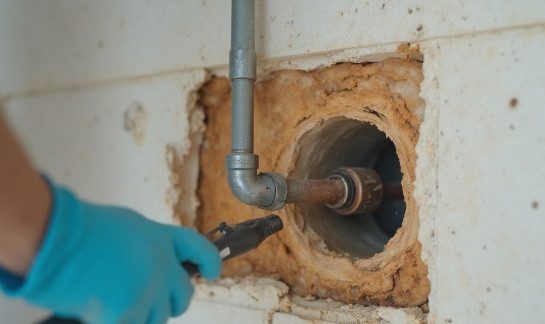
When small issues become urgent before guests arrive
Sometimes, these small problems start to feel more urgent than usual simply because there isn’t enough time left before guests show up. A dripping tap that you’ve ignored for weeks suddenly feels impossible to leave as it is. A door that sticks slightly becomes something you keep thinking about.
In situations like this, people often realize they don’t have the tools, time, or confidence to fix everything themselves. That’s usually when quick help becomes useful, especially for small jobs that don’t require major renovation work but still need to be handled properly before visitors arrive.
In some cases, people look for a Same-day handyman service when timing is tight and multiple small issues need attention at once. It’s not about big projects, just getting the space ready without unnecessary stress.
Small fixes that make a difference
Preparing a home for guests doesn’t usually require major changes. Most of the time, it’s the small details that matter: a door that closes properly, a bathroom that feels fresh, lighting that works consistently, and a general sense that everything is in place.
When these small issues are handled in advance, the home naturally feels more comfortable and welcoming. It’s less about perfection and more about avoiding the little distractions that guests tend to notice right away.
A simple walk through the home before visitors arrive is often enough to catch what needs attention—and fix just enough to make the whole experience smoother for everyone.
Things people often ask
What Our Customer Say’s
These are some of the responses from our customers who are very satisfied

Great service, punctual and as expected.
Great efficient service, came on time, really conscious of keeping our flat clean and tidy by taping plastic bag to catch the dust from the drilling, didn’t even need to tell him to take his shoes off (we have no shoes policy). Really impressed with the service, definitely use Bob’s Handyman Service again.
Very good service! They came on time, very happy I used your services!
Good job done. Dishwater installed perfectly. Arrived on time, easy booking and reliable staff.
It was quick, professional executed in every way and done by a very friendly and peasant guy. Thank you. I will definitely use you again and recommend you to others.
Bob’s Handyman team did a great job the first time I called them. I would certainly be happy to use their services again.
Great job! I highly recommend them!
Great value for money. Reliable workmen, competitive prices and very efficient. Will use your company again.
I was very impressed with your service – it was the first time I used it, but it surely will not the last!
Thank you Bob’s Handyman for the amazing job done on my bathroom. Very professional company.
I would definitely book them again, if I need help!
It was a pleasure to deal with your staff.
Excellent service! I needed a whole room repainted and the people you sent did a wonderful job. I would recommend you to my friends.
I’ve been using these guys for over an year now and they are brilliant every single time. No matter of its something small or a job that needs a lot of skills they do it professionally. I’ve been recommending them to everyone.
I was really pleased with the work that was completed on time. The handyman who came did the jobs quickly and efficiently and left everything tidy.
I’m very pleased with the carried out work. The handyman was very knowledgeable, worked tidy and quickly and did e great job. Will be recommending your services.
The job was for my parents who were very happy with the person who did the job and would definitely use your services again.
Your handy man put in extra effort to do the job, which I appreciate very much.