
How to Replace a Broken Door Handle or Lock
Broken Door Handle and Lock
- A loose or spinning handle is usually caused by a worn or snapped spindle, not the handle itself.
- Measure door thickness before buying a replacement spindle, and measure both sides of the door before buying a euro cylinder.
- Take the old lock or cylinder with you when shopping for a replacement to avoid sizing mistakes.
- British Standard front door locks tied to insurance cover are best fitted by a professional.
- Signs of attempted forced entry warrant a professional inspection of both the lock and door frame.
"*" indicates required fields
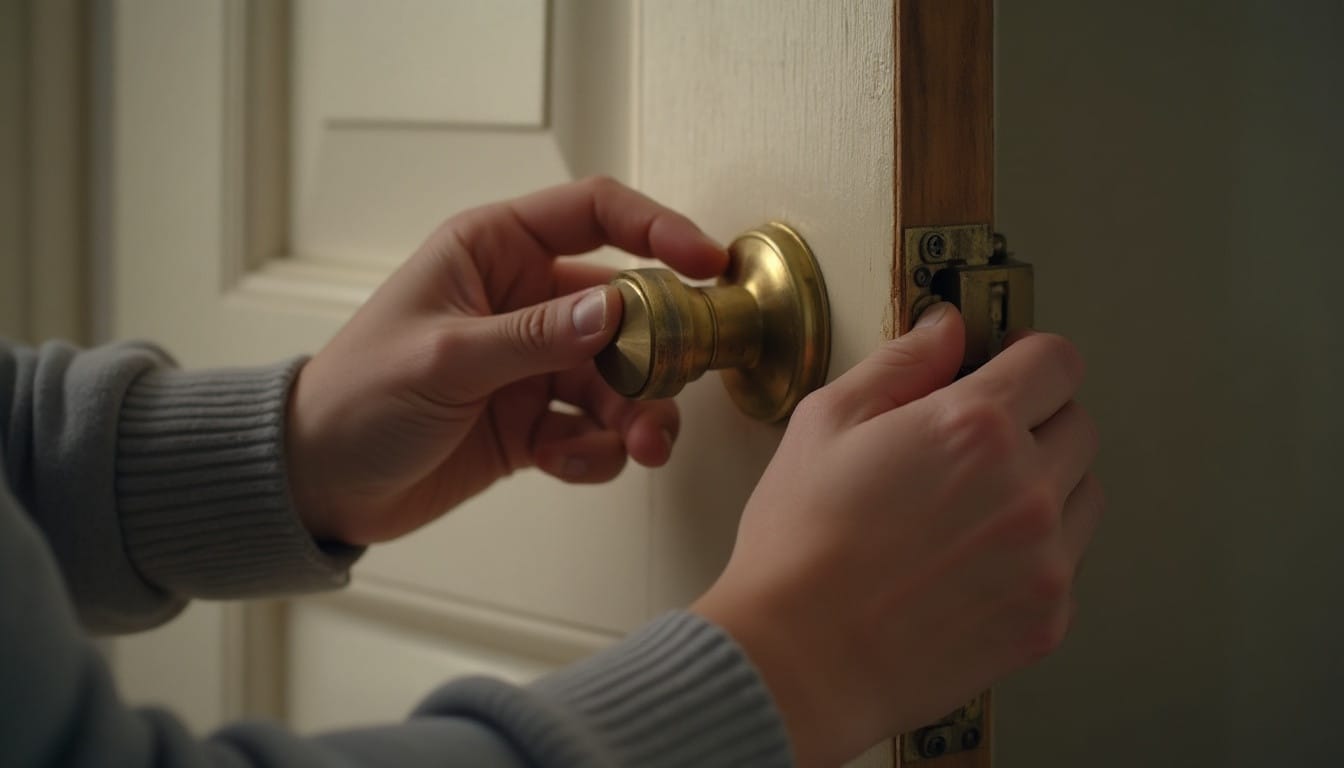
A broken door handle or lock is one of those problems that seems minor until you’re standing in the hallway unable to get into your own bedroom, or worse, unable to lock your front door at night. Whether it’s a wobbly handle that’s finally given up, a snapped spindle, or a lock mechanism that’s stopped turning, the good news is that most of these repairs are entirely manageable with the right tools and a bit of patience. This guide walks through how to diagnose the problem, replace a broken door handle, and swap out a faulty lock mechanism, along with guidance on when it’s worth calling in a professional instead.
Common Door Handle and Lock Problems
Door handles and locks tend to fail in fairly predictable ways, and knowing which problem you’re dealing with makes the repair much easier to plan.
A loose or drooping handle is usually caused by a worn or snapped spindle, the metal bar that connects the two handles through the door and operates the latch. Over time, especially on internal doors that get used dozens of times a day, this spindle can wear down or twist out of shape. A handle that spins freely without engaging the latch is almost always a sign the spindle has sheared.
A stiff or sticking lock often points to a build-up of dirt and old lubricant inside the mechanism, or a misaligned latch that’s no longer lining up with the strike plate on the door frame. This is common after a door has been repainted, since paint can build up around the edges and shift the fit slightly.
A key that turns but doesn’t lock or unlock the door usually means the lock cylinder itself has worn internally, or the mounting screws holding the lock body in place have loosened, causing the whole mechanism to sit at a slight angle.
A door that won’t latch shut at all is typically a latch or strike plate issue rather than a full lock failure, and it’s often the easiest of these problems to fix.
If your door still opens and closes but just feels loose, sticky, or slightly wrong, it’s worth checking the screws on the handle plate before assuming you need a full replacement. A quarter-turn on a few loose screws solves more of these problems than people expect.
Tools You’ll Need
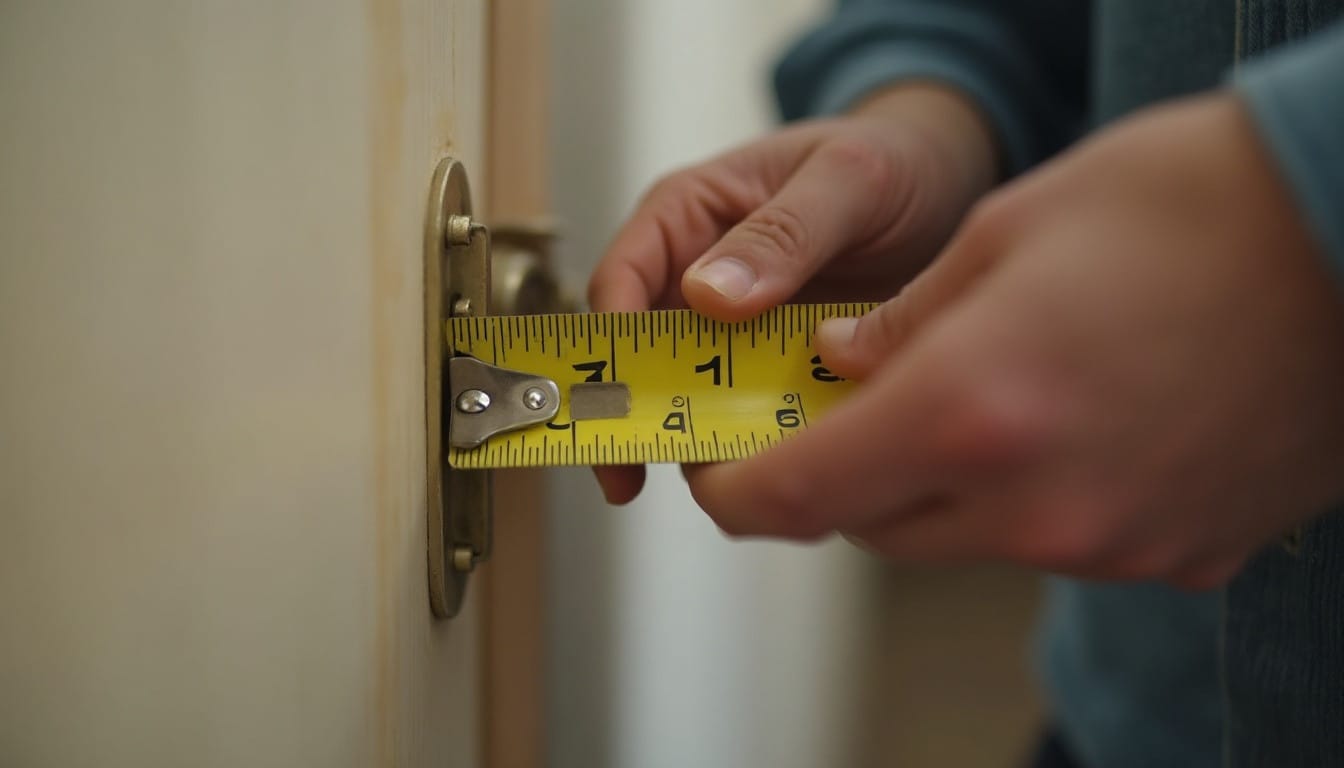
For most handle and lock replacements on a standard UK door, you’ll want a cross-head and flat-head screwdriver, a tape measure, a pencil for marking, and a chisel if you’re adjusting a mortice recess. A cordless drill with a selection of bits speeds things up considerably, particularly for mortice lock work. You’ll also want some fine sandpaper for tidying up any rough edges left behind, and a small amount of wood filler on hand in case old screw holes need filling before new ones are drilled. If you’re replacing a euro cylinder lock, a small tape measure is essential for getting the correct cylinder length, which is a detail people get wrong more often than any other part of the job.
Step-by-Step: Replacing a Door Handle
Start by removing the old handle. Most UK internal door handles are held on with a small grub screw on the underside of the handle collar, so loosen this first with an Allen key or flat-head screwdriver before sliding the handle off the spindle. On some older or higher-end handles, you’ll need to remove a visible screw on the handle plate itself.
Once both handles are off, pull the spindle out through the latch mechanism and inspect it. If it’s bent, twisted, or snapped, replace it entirely rather than trying to reuse it, since a compromised spindle will fail again quickly.
Measure the door thickness before buying a replacement spindle, as they come in different lengths and a spindle that’s too short won’t reach through both handles properly.
Fit the new spindle through the latch, then slide the new handles onto each end. Tighten the grub screws evenly so the handle sits square rather than tilted, and test the action a few times before fully tightening. Finally, check that the latch engages smoothly with the strike plate on the frame, adjusting the plate slightly with a screwdriver if the latch is catching.
Step-by-Step: Replacing a Lock Mechanism
Begin by removing the door handles and any visible screws holding the lock faceplate to the edge of the door. With the faceplate free, the lock body should slide out of the mortice recess, or in the case of a euro cylinder, unscrew from the centre of the door once the retaining screw is removed.
If you’re replacing a euro cylinder, measure both sides of the door from the centre screw hole to each edge, since cylinders are sold by these two measurements combined and getting this wrong is the most common mistake in a DIY lock swap. Buy a cylinder that matches, or is very slightly shorter than, the old one.
For a full mortice lock replacement, take the old lock with you when buying a new one, or at minimum note the case size and backset measurement, which is the distance from the edge of the door to the centre of the keyhole. Mortice locks vary enough between manufacturers that a mismatched size will mean re-chiselling the recess, which is more work than most people want to take on.
Fit the new lock body into the recess or door hole, secure the faceplate, then reattach the handles and test the key and latch action several times before considering the job finished. Check that the door locks smoothly from both inside and outside, and that the bolt extends fully into the frame without needing extra force.
When to Call a Locksmith Instead
Some situations are better left to a professional. If your front door is fitted with a British Standard lock as part of a home insurance requirement, replacing it yourself may affect your cover if it’s not fitted correctly, so it’s worth having this done by someone experienced. If you’re locked out entirely and can’t access tools or a spare key, a locksmith or handyman with lock-picking experience will resolve this far faster and with less damage to the door than a DIY attempt. Uneven or warped doors that no longer sit square in the frame often need more than a straightforward lock swap, since the whole frame alignment may need adjusting first. And if you’ve discovered signs of attempted forced entry, it’s sensible to have a professional assess both the lock and the door frame for hidden damage before fitting anything new.
If any part of the job feels beyond what you’re comfortable with, or the door in question is your main entry point, it’s always worth getting a second opinion before relying on a repair you’re unsure of.
Frequently Asked Questions About London Door Repairs
What Our Customer Say’s
These are some of the responses from our customers who are very satisfied

Great service, punctual and as expected.
Great efficient service, came on time, really conscious of keeping our flat clean and tidy by taping plastic bag to catch the dust from the drilling, didn’t even need to tell him to take his shoes off (we have no shoes policy). Really impressed with the service, definitely use Bob’s Handyman Service again.
Very good service! They came on time, very happy I used your services!
Good job done. Dishwater installed perfectly. Arrived on time, easy booking and reliable staff.
It was quick, professional executed in every way and done by a very friendly and peasant guy. Thank you. I will definitely use you again and recommend you to others.
Bob’s Handyman team did a great job the first time I called them. I would certainly be happy to use their services again.
Great job! I highly recommend them!
Great value for money. Reliable workmen, competitive prices and very efficient. Will use your company again.
I was very impressed with your service – it was the first time I used it, but it surely will not the last!
Thank you Bob’s Handyman for the amazing job done on my bathroom. Very professional company.
I would definitely book them again, if I need help!
It was a pleasure to deal with your staff.
Excellent service! I needed a whole room repainted and the people you sent did a wonderful job. I would recommend you to my friends.
I’ve been using these guys for over an year now and they are brilliant every single time. No matter of its something small or a job that needs a lot of skills they do it professionally. I’ve been recommending them to everyone.
I was really pleased with the work that was completed on time. The handyman who came did the jobs quickly and efficiently and left everything tidy.
I’m very pleased with the carried out work. The handyman was very knowledgeable, worked tidy and quickly and did e great job. Will be recommending your services.
The job was for my parents who were very happy with the person who did the job and would definitely use your services again.
Your handy man put in extra effort to do the job, which I appreciate very much.
