
First actions when water appears
If water is actively escaping and it is safe to do so, isolate the relevant fixture or main water supply and protect belongings below.
FIND THE SOURCE, LIMIT THE DAMAGE
Respond to a suspected plumbing leak with sensible isolation, evidence-led investigation and a repair matched to the confirmed cause.
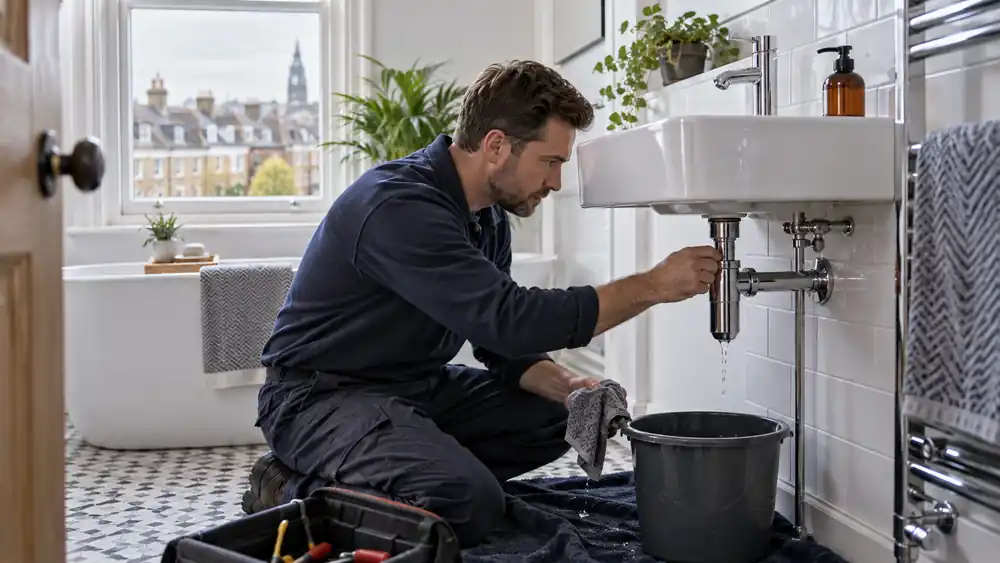
WHAT WE CAN HELP WITH
The scope is reviewed around the property, existing condition and the result you need.
If water is actively escaping and it is safe to do so, isolate the relevant fixture or main water supply and protect belongings below.
Water can travel along pipes, joists and surfaces before becoming visible.
Loose connections, failed seals and accessible components can sometimes be repaired directly.
LEAKS FIXING LONDON
If water is actively escaping and it is safe to do so, isolate the relevant fixture or main water supply and protect belongings below. Keep clear where water may have reached electrical fittings; do not touch wet switches, sockets or appliances. Severe flooding, contaminated water or unsafe ceilings needs an emergency response. Photographs, the time the leak appeared and what was in use can help trace an intermittent source.
Water can travel along pipes, joists and surfaces before becoming visible. A ceiling mark below a bathroom might come from a supply connection, waste, seal, overflow or building fabric. We inspect accessible evidence and use proportionate checks rather than opening finishes immediately. Concealed services, shared systems and leasehold arrangements may require managing agents, insurers or specialist leak-detection equipment.
Loose connections, failed seals and accessible components can sometimes be repaired directly. Corroded pipework, frozen-pipe damage, concealed leaks or defective waterproofing may need a broader scope. Replacing sealant is not a cure for movement or a failed background. After stopping the source, wet materials need time and ventilation to dry; decorating too soon can trap moisture and hide continuing damage.
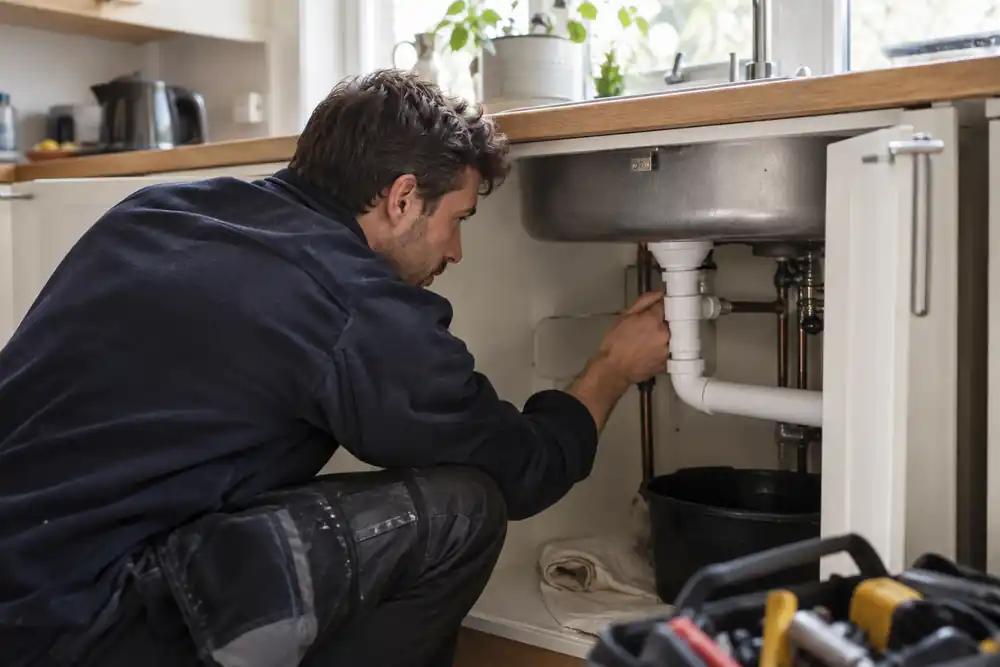
CAREFUL PROPERTY WORK
Record affected rooms, possessions and any emergency measures before disposal or making good, particularly if an insurer or landlord may be involved. Regular visual checks beneath sinks, around appliances and near overflows can identify slow leaks earlier. Know where the stopcock is and keep access clear. These habits reduce response time but do not replace maintenance of ageing plumbing or professional investigation of recurring damp.
Photograph the first visible water and accessible fittings, note what was running, and record whether the meter or pressure changes. Do not open unsafe ceilings or remove fixed electrical equipment to search for the source. We review that information before confirming the likely scope, while recognising that concealed conditions may only become clear on site. Please flag access limits, lease or landlord permissions and any deadline that genuinely affects the work. A clear brief helps separate the requested service from decorating, waste removal or specialist work that should be quoted independently.
A CLEAR PROCESS
Send the London postcode, photographs, measurements and the result you want.
The requirements, access, materials and appropriate trade are reviewed before work begins.
The planned work is carried out carefully, with any material change explained clearly.
LEAKS FIXING FAQ
Useful answers for planning the work.
If safe, isolate the fixture or main water supply, protect belongings and avoid wet electrical fittings. Serious flooding or unsafe conditions need emergency assistance.
Sometimes visible evidence and accessible checks identify the cause. Concealed or intermittent leaks may require specialist detection or selective opening.
Only if failed sealant is the actual cause. Movement, defective plumbing or failed waterproofing must be addressed rather than covered.
The leak must be stopped and the area dried first. Making good is usually planned after moisture levels and damage are understood.
Responsibility depends on source, ownership and lease arrangements. Notify the landlord, managing agent or insurer promptly where applicable.
ONE CLEAR NEXT STEP
Send photographs, the property location and a concise description of the leak detection and repairs work. We will review the practical scope and explain what information is needed before an appointment can be confirmed.