
Most Requested Handyman Jobs in London Homes
Handyman Jobs in London
- Furniture Assembly: Efficiently building flat-pack wardrobes, beds, and kitchen units.
- TV Mounting: Secure wall mounting with professional cable management.
- Door Repair: Fixing sticking or misaligned doors caused by seasonal changes.
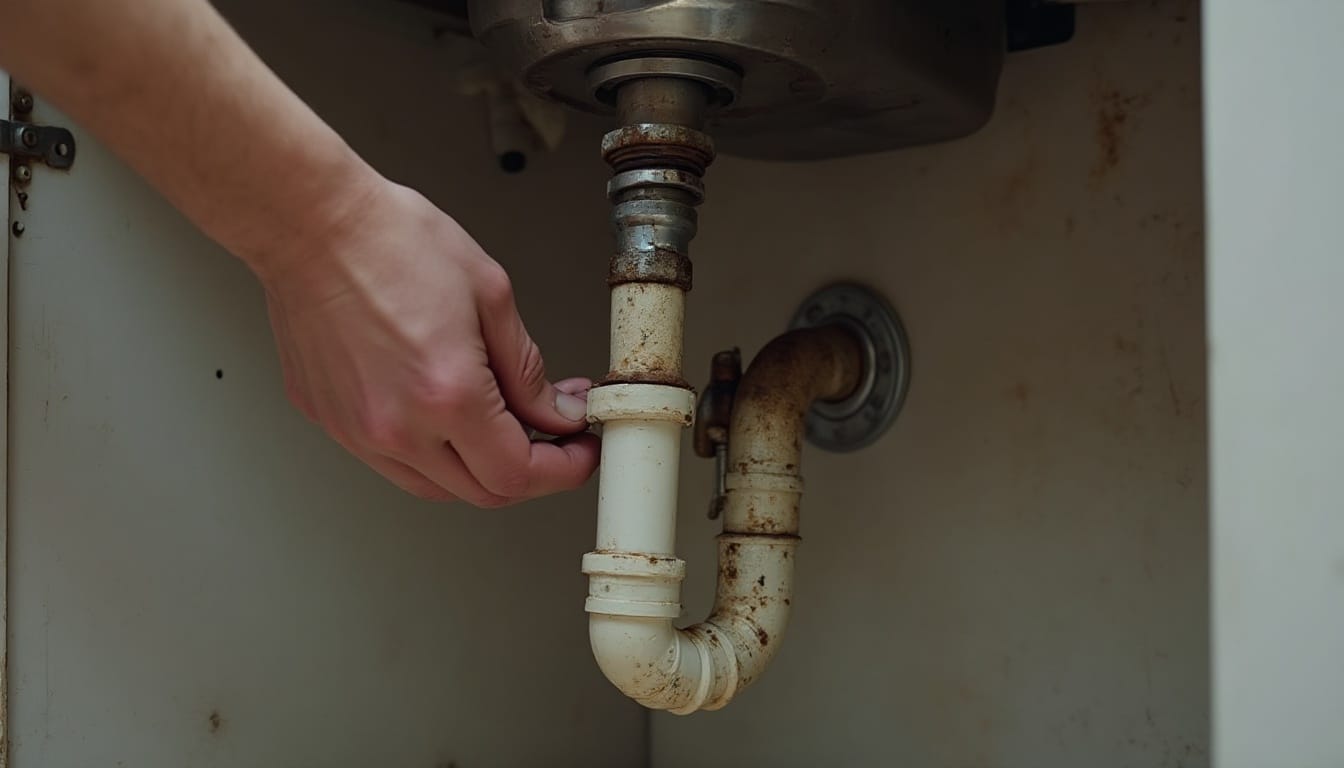
- Leak Fixing: Prompt repair of taps and pipes to prevent water damage.
- Shelf Fitting: Secure installation ensuring the right fixings for wall types.
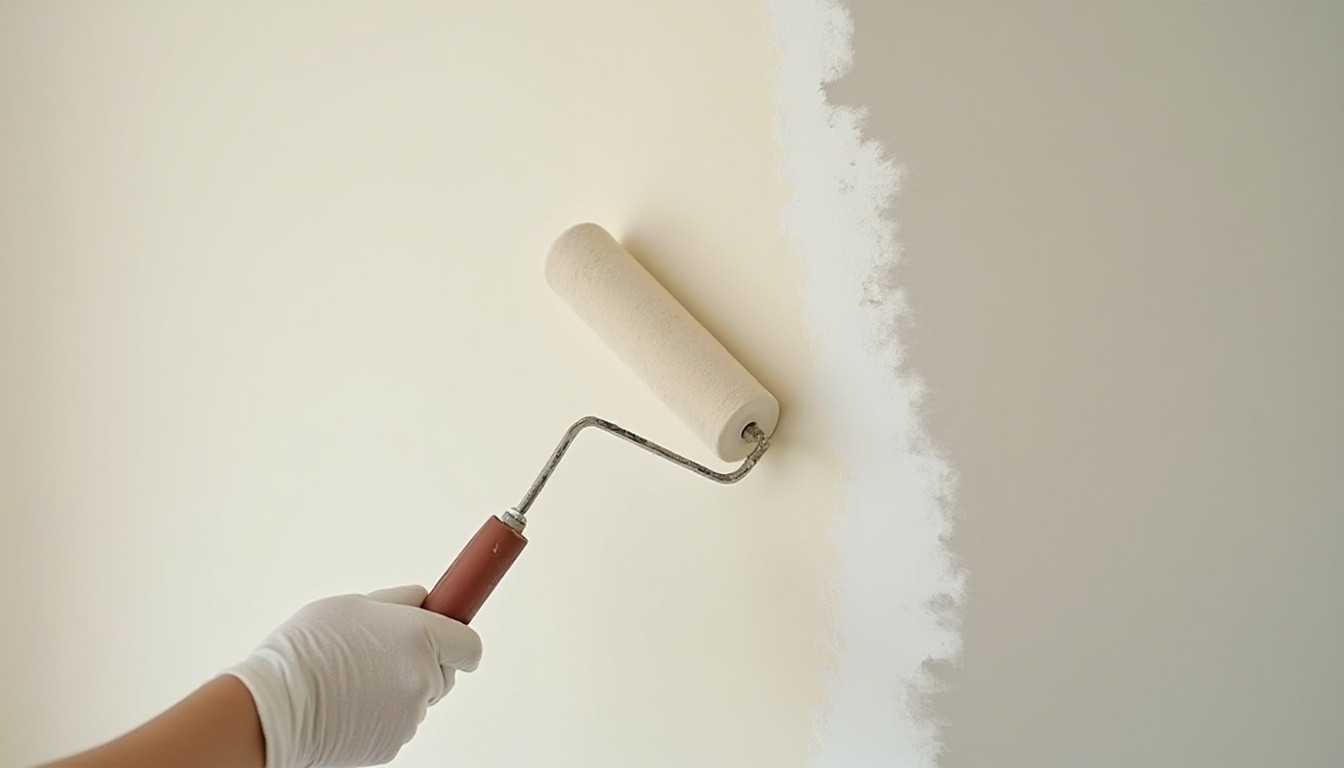
- Painting Touch-Ups: Seamless colour-matching for scuffs, chips, and rental upkeep.
- Picture Hanging: Safe, level mounting for heavy mirrors and artwork.
- Appliance Installation: Expert connection and levelling of integrated white goods.
- Fence & Gate Repair: Fixing weather-worn panels, posts, and hinges.
- Light Fitting: Safe and secure replacement of electrical fixtures.
London homes come with their own particular set of quirks. Between period conversions with uneven walls, new-build flats with flimsy fixtures, and the sheer pace of life in the capital, it’s no surprise that so many residents reach for a handyman rather than tackling jobs themselves. Time is often the real constraint. Between long commutes, demanding jobs, and weekends that disappear before they’ve properly started, a two-hour DIY task can easily stretch into an entire lost Saturday.
There’s also the tool problem. Renting a flat or living in a smaller property often means there’s nowhere to store a full toolkit, and buying specialist equipment for a single job rarely makes financial sense. A qualified handyman turns up with everything needed, does the work properly the first time, and leaves without the trip to the hardware shop, the trial and error, or the patched-up result that needs redoing a few months later.
Below are the ten jobs Handyman Services gets asked to do most often across London homes, along with a look at how bundling several of them into one visit can save both time and money.
1. Furniture Assembly
Flat-pack furniture has become a rite of passage for anyone moving into a London home, but instructions that seem straightforward on paper often turn into hours of frustration once the parts are actually spread across the floor. Wardrobes, bed frames, and kitchen units are the most common callouts, particularly after a house move when several pieces need building at once. A handyman can usually assemble a standard wardrobe or bed frame within an hour, checking that everything is level and properly secured rather than just visually finished.
2. TV Mounting
Wall-mounting a television sounds simple until it’s time to drill into a wall of unknown composition. Period properties often hide lath and plaster or uneven brickwork behind a plaster skim, and getting the fixing wrong can mean a TV that isn’t properly supported. A handyman identifies the wall type, uses the right fixings, and manages the cable routing so the finished setup looks tidy rather than trailing wires down to the skirting board.
3. Door Repair
Doors that stick, drag on the carpet, or won’t latch properly are one of the most common issues in both older and newer London homes. Seasonal humidity changes can cause wooden doors to swell or contract, while poorly fitted hinges are a frequent culprit in newer builds. Most door repairs, whether it’s rehanging, planing down a sticking edge, or replacing a worn hinge, can be sorted within a single short visit.
4. Leak Fixing
Dripping taps, leaking pipework under the sink, and slow leaks around toilet cisterns are among the most requested repairs, largely because they tend to get worse the longer they’re left. A dripping tap alone can waste a noticeable amount of water over a year, and unresolved leaks under cabinets can lead to swollen wood or mould if ignored. Catching these early with a proper repair, rather than a temporary fix, tends to save money in the long run.
5. Shelf Fitting
Shelving is one of those jobs that seems easy in theory but often ends with wonky brackets or shelves that come away from the wall under weight. Getting it right depends on finding solid fixing points, particularly in properties with plasterboard or dry-lined walls where a stud or cavity fixing makes all the difference. A handyman will assess the wall type before fitting, ensuring the shelf can actually hold the weight it’s meant to.
6. Painting Touch-Ups
Scuff marks near light switches, scratched skirting boards, and chipped paint around door frames are common wear-and-tear issues, especially in rental properties ahead of an inspection or move-out. Rather than repainting an entire room, a handyman can colour-match and touch up the affected areas so the finish blends in seamlessly. This is particularly useful for landlords and tenants working to a deadline.
7. Picture Hanging
Hanging pictures, mirrors, and artwork sounds like a five-minute job until the wall turns out to be plasterboard, brick, or something in between, each requiring a different fixing approach. A heavier framed mirror needs a completely different fixing to a lightweight print, and getting it wrong risks damage to both the wall and the item itself. A handyman brings the right hardware for the wall type and ensures everything is properly level and secure.
8. Appliance Installation
Fitting a new washing machine, dishwasher, or integrated oven involves more than just sliding it into place. Plumbing connections, electrical safety, and correct levelling all matter, particularly for integrated appliances that need to sit flush within existing cabinetry. A handyman handles the connection and testing so the appliance works properly from day one, rather than leaking or vibrating out of position.
9. Fence and Gate Repair
Garden fences and gates take a battering from London’s weather, with wind and rain loosening panels, warping wood, and rusting hinges over time. A leaning fence panel or a gate that won’t latch properly is a common request, particularly after a stretch of bad weather. Repairs typically involve replacing damaged posts or panels and rehanging gates so they close and lock properly again.
10. Light Fitting
Replacing light fittings, from pendant lights to spotlights, is one of the more frequently requested electrical jobs, particularly in homes being updated or redecorated. While swapping a lampshade is simple enough, replacing a fitting properly means working safely with the electrics and ensuring everything is wired and secured correctly. A handyman completes this safely and checks the fitting works before finishing up.
How to Save Money by Bundling Jobs in One Visit
One of the most practical ways to cut costs is to group several smaller jobs into a single appointment rather than booking separate callouts. It also means less disruption at home, with one appointment to plan around instead of several.
Before booking, it’s worth making a list of every small job that’s been put off, from the sticking door to the wobbly shelf, and mentioning all of them when arranging the visit. This gives the handyman a chance to plan the work efficiently, bringing the right tools and materials for everything in one trip rather than needing a follow-up visit for something that was mentioned only once work had already started.
