
How to Draught-Proof Your Front Door This Winter
Draught-Proof Your Front Door
- Understand the source: The gap beneath the door is often the primary source of draughts because it spans the full width of the door at floor level.
- Long-term floor fix: A brush strip draught excluder is considered the most reliable long-term solution as it moves with the door, eliminating the need to reset it.
- Short-term alternative: For a budget-friendly, temporary fix, a fabric “door snake” works well but must be manually moved each time you open the door.
- Addressing uneven floors: Standard brush strips may not sit flush on uneven surfaces, making an adjustable threshold seal a better choice for those homes.
- Post-installation check: It is important to re-check your door seals after the first cold snap, as materials can settle and create new small gaps.
- Warped door indicators: If a door has warped due to damp or temperature shifts, it may no longer sit flush against the frame, requiring professional assessment.
"*" indicates required fields
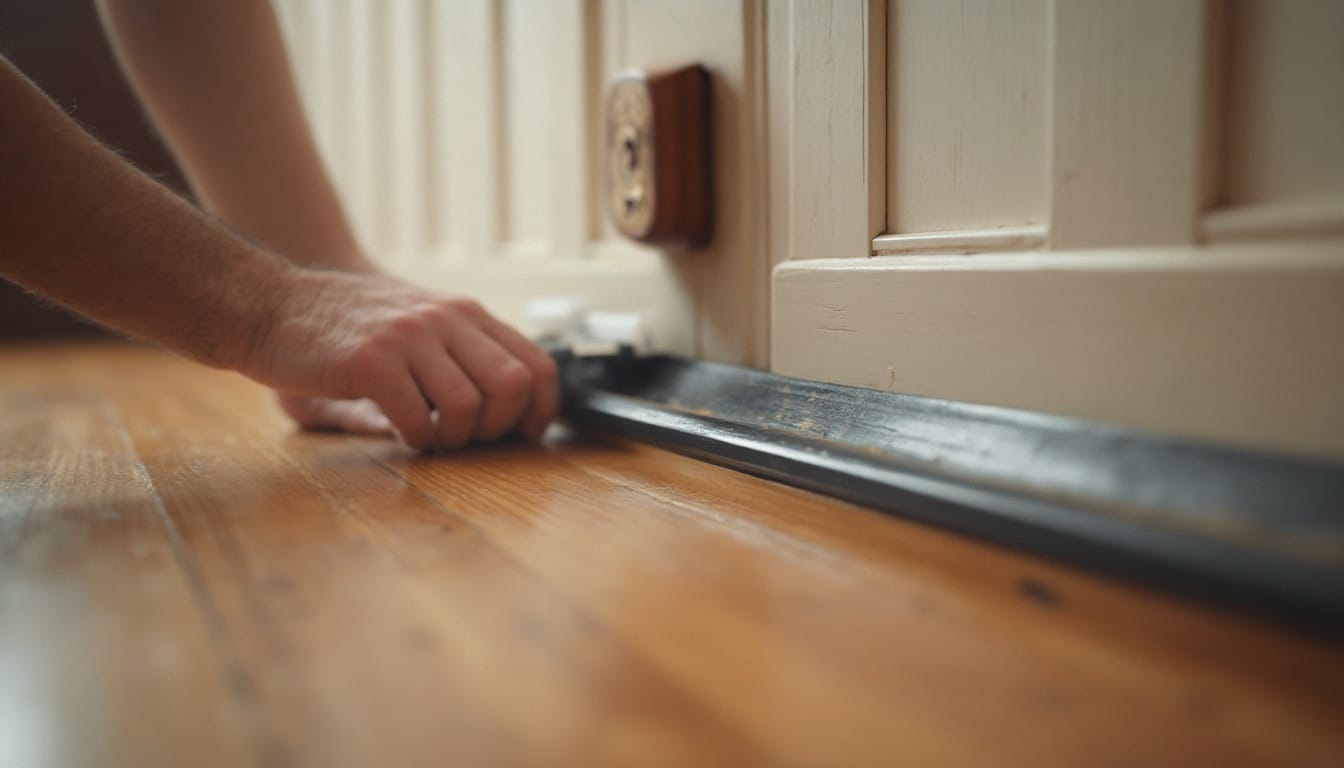
There’s a particular kind of cold that has nothing to do with the weather outside and everything to do with the gap under your front door. If you’ve noticed the hallway feels chillier than it should, or your heating seems to be working overtime without much to show for it, a draughty front door is very often the culprit. The good news is that most causes are straightforward to identify and, in many cases, just as straightforward to fix without calling anyone out.
Signs Your Front Door Is Letting in Draughts
A cold spot at ankle height as you walk past the door is usually the first clue, particularly on a windy evening when you can sometimes feel the air moving rather than just notice the temperature drop. Daylight visible around the edges of the door when it’s shut is another giveaway, as is a letterbox flap that swings freely and lets in a constant thin whistle of air. Curtains or hallway rugs that shift slightly on breezy days, condensation building up on the inside of the door, and a noticeable rise in heating bills compared with previous winters are all worth paying attention to as well. None of these signs mean the door is broken, but together they tell you where the cold is getting in.
Fitting Draught Excluder Strips Yourself
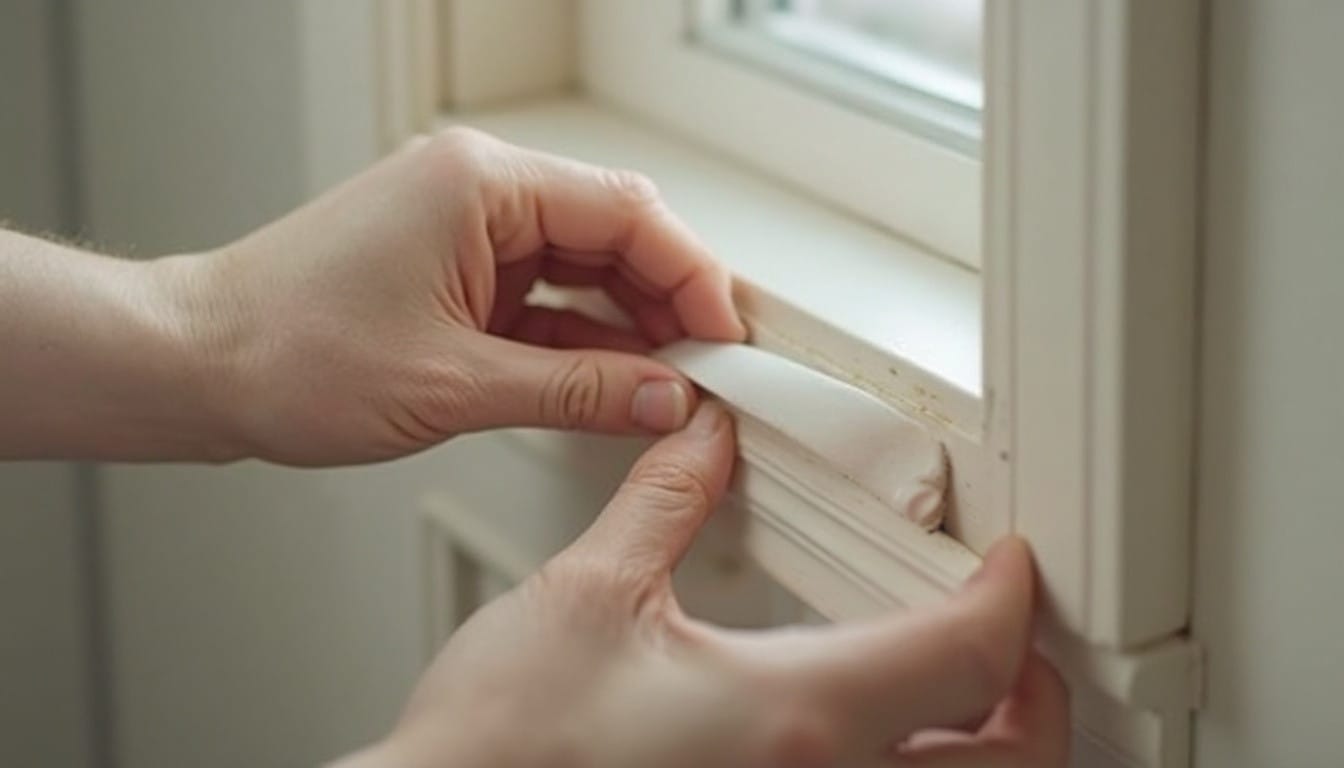
Self-adhesive foam or rubber excluder strips are the cheapest and quickest way to deal with draughts around the sides and top of the door frame, and fitting them is well within reach for most people with an afternoon to spare. Start by cleaning the frame thoroughly, since foam strips won’t stick properly to dust, old paint flakes or grease. Close the door and run a hand around the frame to feel exactly where the cold air is getting through, then measure and cut the strip to length for each section before peeling back the backing and pressing it firmly into place along the edge where the door meets the frame. It helps to close the door slowly against the fresh strip so it compresses evenly rather than bunching up in one spot. Foam strips are inexpensive but tend to wear down within a year or two, particularly on a front door that gets used several times a day, so a brush-pile or V-strip seal is worth the slightly higher cost if you want something more durable. Either option makes a noticeable difference within minutes of fitting.
Fixing Letterbox Draughts
Letterboxes are one of the most overlooked sources of cold air under front door conditions, largely because the flap looks like it’s doing its job even when it isn’t. Older metal letterbox flaps often lose their spring tension over time, leaving a gap that lets air whistle through constantly rather than only when post is being delivered. A letterbox brush insert, which fits behind the existing flap and adds a row of dense bristles, is usually the simplest fix and can be bought to match most standard letterbox sizes. For letterboxes that are particularly draughty, a letterbox draught excluder box fitted on the inside of the door adds an extra layer and also helps muffle noise from the street. If the flap itself is loose or hanging at an angle, tightening or replacing the fixing screws often solves the problem on its own before you need to add anything extra.
Gaps Under the Door – What Works
The gap beneath a front door is often the single biggest source of draughts, simply because it runs the full width of the door and sits at floor level where cold air naturally settles. A brush strip draught excluder, screwed or stuck along the bottom of the door on the inside, is the most reliable long-term fix since it moves with the door and doesn’t need to be put in place every time you go in or out. For a cheaper short-term option, a fabric draught excluder or “door snake” laid along the threshold works reasonably well, though it needs to be moved each time the door opens. Homes with a noticeable dip or unevenness in the floor sometimes need an adjustable threshold seal rather than a standard strip, since a flat brush won’t sit flush against an uneven surface. It’s worth checking the fit after the first cold snap, as strips can bed in and leave a small gap that wasn’t there when they were first fitted.
When the Door Itself Needs Repairing or Replacing
Sometimes no amount of stripping or sealing will fully solve the problem, and that’s usually a sign the issue lies with the door or frame rather than the seals around it. A door that has warped with damp or temperature changes may no longer sit flush against the frame, leaving gaps that shift depending on the weather. Hinges that have dropped or worn loose can cause a door to hang unevenly, creating a gap on one side that no strip will close properly. Rotting or swollen timber around the frame, cracked door panels, or a door that needs to be slammed to shut properly are all signs that professional door repair or replacement may be more sensible than relying on a series of quick fixes. A properly fitted, well-sealed door frame makes every other draught-proofing step far more effective, so it’s worth having the door itself assessed if problems keep coming back.
If your front door is still letting the cold in after trying these fixes, or you suspect the problem is with the door or frame itself, Bob’s Handyman Services can take a proper look and sort it for you. Get in touch about door repairs.
