
Checklist Before Booking a Handyman Visit
Handyman Checklist
- Create a clear and complete list of all required repair and maintenance tasks.
- Inspect the property and take note of visible damage or problem areas.
- Take accurate measurements for installation-related work.
- Provide photos and detailed descriptions of each issue.
- Confirm materials, parts, and access requirements in advance.
- Ensure the work area is clear, accessible, and safe for the visit.
"*" indicates required fields
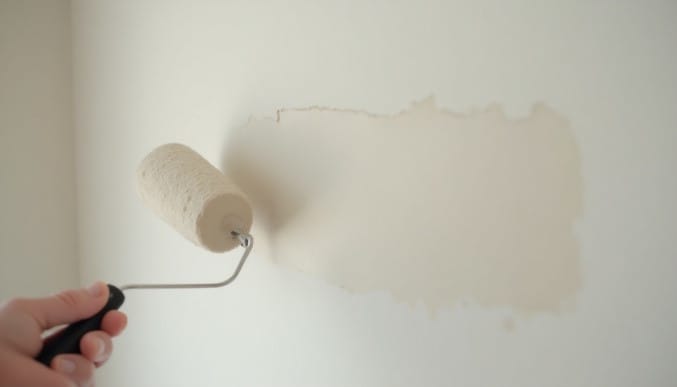
Booking a handyman can be an effective way to deal with a growing list of repairs, installations, and maintenance tasks around a property. However, many people overlook the importance of preparation before arranging an appointment. A little planning beforehand can make a significant difference to the overall experience.
Providing accurate information, organising the work area, and understanding the scope of the job can help ensure the visit runs smoothly. It can also reduce delays, minimise misunderstandings, and help avoid unnecessary costs caused by missing materials, restricted access, or unexpected complications.
From fixing a loose door handle and mounting a television to repairing damaged skirting boards or replacing sealant around a bath, every task benefits from proper preparation. Taking a few simple steps before booking a handyman visit allows the work to be completed more efficiently and often leads to better results.
This checklist outlines the key things to consider before arranging an appointment and highlights some of the common mistakes that can create problems on the day of the visit.
Identify the Tasks That Need Attention
One of the most important steps before booking a handyman is creating a clear list of the work that needs to be completed.
Many households have several small maintenance issues that gradually accumulate over time. A dripping tap, a loose shelf, damaged silicone around a shower, and a sticking internal door may not seem urgent individually, but addressing them together can be more practical than arranging multiple visits.
Create a Detailed Task List
Walk through the property and make a note of all repairs, installations, and maintenance concerns. Consider both indoor and outdoor areas.
Examples may include:
- Hanging mirrors or pictures
- Repairing damaged cupboard doors
- Replacing door handles
- Installing curtain rails
- Fixing fencing panels
- Sealing gaps around windows
- Mounting televisions
- Repairing damaged plaster
Having a written list reduces the chance of forgetting important jobs when discussing the appointment.
Prioritise Urgent Work
Not all maintenance issues carry the same level of urgency.
For example:
- A leaking pipe may require immediate attention.
- A loose stair handrail could present a safety risk.
- Cosmetic paint touch-ups can often wait.
Prioritising tasks helps ensure the most important work is addressed first if time is limited.
Group Multiple Tasks Together
Combining several small jobs into one visit can improve efficiency. A handyman can often complete multiple minor repairs during a single appointment, reducing travel time and simplifying scheduling.
Check the Condition of the Area
Before contacting a handyman, take time to inspect the areas where work is required.
A quick inspection may reveal details that are useful when discussing the project.
Look for Visible Damage
Pay attention to:
- Cracks
- Water damage
- Loose fixtures
- Rust
- Rotting timber
- Damaged plaster
These observations provide a clearer understanding of the problem and can help determine whether additional repairs may be necessary.
Take Measurements
Measurements are particularly important for installation work.
For example:
- TV mounting brackets
- Shelving units
- Curtain poles
- Blinds
- Wall-mounted cabinets
Accurate dimensions help prevent mistakes and ensure suitable materials are used.
Consider Access Restrictions
Some jobs may involve challenges such as:
- Narrow staircases
- Loft access limitations
- High ceilings
- Restricted outdoor access
Informing the handyman in advance allows suitable equipment and tools to be prepared.
Gather Photos and Relevant Details
Photographs are one of the simplest and most effective ways to communicate maintenance issues.
Why Photos Are Helpful
A written description can sometimes be misleading.
For example, describing a damaged wall as a “small crack” may mean different things to different people. A photograph immediately provides visual context.
Images can help identify:
- The extent of damage
- Material types
- Access conditions
- Existing fittings
- Potential complications
What Details Should Be Included?
When sending photographs, include information such as:
- Approximate measurements
- Location of the issue
- When the problem first appeared
- Any previous repair attempts
For example, if a kitchen cupboard door repeatedly comes loose despite previous adjustments, mentioning this detail may help identify a more permanent solution.
Support More Accurate Assessments
Photographs often enable a more accurate understanding of the work required before the visit takes place, helping to avoid surprises on the day.
Confirm Materials and Parts Requirements
Some jobs can be completed using materials already available at the property, while others may require replacement parts or specialist components.
Check Existing Materials
Many homeowners already have spare items stored away, including:
- Paint
- Tiles
- Hinges
- Screws
- Flooring pieces
- Silicone sealant
Knowing what is available can be useful during discussions about the work.
Identify Missing Parts
Certain repairs may require replacement components, such as:
- Door locks
- Tap cartridges
- Shelf brackets
- Window handles
- Light fittings
Providing details in advance helps determine whether parts need to be sourced before the appointment.
Prevent Delays
A common cause of project delays is discovering that a required component is unavailable. Clarifying material requirements beforehand reduces the likelihood of interrupted work.
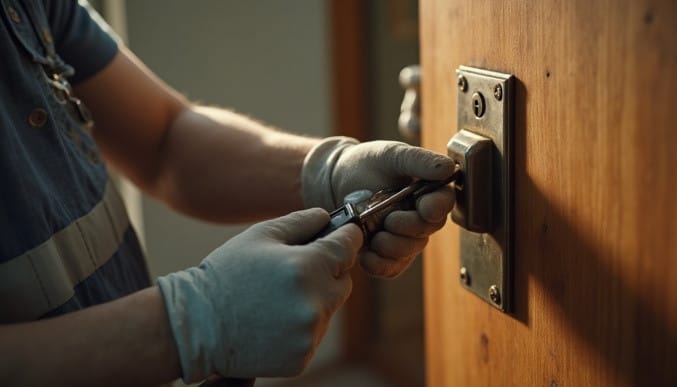
Ensure Easy Access to the Work Area
Preparing the work area before the appointment can significantly improve efficiency.
Remove Obstacles
Clear furniture, boxes, decorations, and personal belongings from areas where work will take place.
For example, if shelving is being installed in a home office, moving desks and equipment beforehand allows work to begin immediately.
Arrange Parking and Entry Access
Parking restrictions can affect appointment schedules, particularly in busy residential areas.
Consider:
- Permit requirements
- Controlled parking zones
- Access codes
- Security gates
Providing access information beforehand can save valuable time.
Consider Pets and Children
Active work areas may contain tools, ladders, and materials that present hazards.
If possible, keep pets and young children away from the work area while repairs are underway.
Prepare Questions Before the Appointment
A handyman visit is also an opportunity to gain useful information about the condition of your property.
Preparing questions beforehand ensures important topics are not overlooked.
Estimated Completion Time
Understanding how long the work is expected to take can help with planning and scheduling.
Additional Issues Discovered
Ask what happens if hidden damage or additional problems are found during the visit.
For example, replacing damaged skirting boards may reveal dampness behind the wall that was not initially visible.
Maintenance Recommendations
Experienced tradespeople often notice signs of developing problems before they become serious.
Simple maintenance advice can help extend the lifespan of fixtures and fittings.
Future Repair Considerations
Some repairs may be temporary solutions until larger work is carried out.
Understanding future maintenance requirements can assist with budgeting and property planning.
Understand Pricing and Scope of Work
Clear communication about costs and expectations is essential.
Hourly Rates vs Fixed-Price Jobs
Some handyman services charge by the hour, while others provide fixed prices for specific tasks.
Each approach has advantages depending on the nature of the work.
For straightforward jobs with clearly defined requirements, a fixed price may offer certainty.
For varied maintenance tasks, hourly pricing may provide greater flexibility.
Factors That Affect Costs
Several factors can influence the final cost, including:
- Job complexity
- Time required
- Materials
- Accessibility
- Specialist tools
- Additional repairs discovered during the visit
Clarify Expectations
Ensure everyone understands exactly what work is included.
Misunderstandings often occur when assumptions are made about tasks that were never discussed.
Review Safety Considerations
Some household issues may involve safety risks that require prompt attention.
Electrical Issues
Electrical faults should never be ignored.
Examples include:
- Flickering lights
- Burning smells
- Exposed wiring
- Frequent circuit breaker trips
These situations may require immediate assessment.
Plumbing Concerns
Water damage can escalate quickly.
Watch for:
- Active leaks
- Damp patches
- Mould growth
- Burst pipes
Addressing these issues early may help prevent costly property damage.
Structural Damage
Cracks, sagging ceilings, or unstable fixtures should be investigated as soon as possible.
Even minor-looking structural concerns can worsen over time if left untreated.
Immediate Professional Attention
If a repair involves significant safety risks, it is advisable to seek professional assistance promptly rather than delaying the work.
Common Mistakes People Make Before Booking a Handyman
Even straightforward jobs can become more complicated due to avoidable mistakes.
Providing Incomplete Information
A homeowner reports a broken cupboard door but fails to mention that the entire cabinet is loose from the wall.
This can affect both the time required and the repair approach.
Forgetting Measurements
Incorrect or missing measurements can lead to unsuitable materials or installation issues.
This is particularly common with shelving, blinds, and television mounting projects.
Last-Minute Task Additions
Adding several unexpected jobs on the day of the visit can create scheduling challenges and may prevent all work from being completed.
Failing to Prepare Access
A handyman arrives to repair a loft hatch but cannot access the area because stored belongings block the entrance.
Simple preparation could have prevented unnecessary delays.
Benefits of Being Prepared Before the Visit
Reduce Delays
Clear information allows the correct tools, materials, and equipment to be brought to the property.
Improve Efficiency
Work can begin sooner when access is straightforward and requirements are clearly defined.
Achieve Better Results
A well-organised appointment allows greater focus on completing repairs correctly rather than resolving preventable issues.
Improve Communication
Accurate information helps ensure everyone has the same understanding of the work involved.
Potentially Lower Costs
Reducing delays, repeat visits, and unexpected complications may help minimise overall project expenses.
Key Steps to Take Before Booking a Handyman
Preparing before booking a handyman visit can make the entire process smoother, more efficient, and less stressful. Creating a clear list of tasks, inspecting affected areas, gathering photographs, confirming materials, and ensuring easy access all contribute to a more productive appointment.
Good preparation helps reduce delays, improves communication, and allows repairs or installations to be completed with fewer interruptions. By taking a little time to organise the details beforehand, property owners and tenants can help ensure maintenance work is carried out effectively and with minimal disruption.
