Call us now 020 3137 9380

Category Archives: News

Can You Book a Handyman on Weekends or Evenings in London?
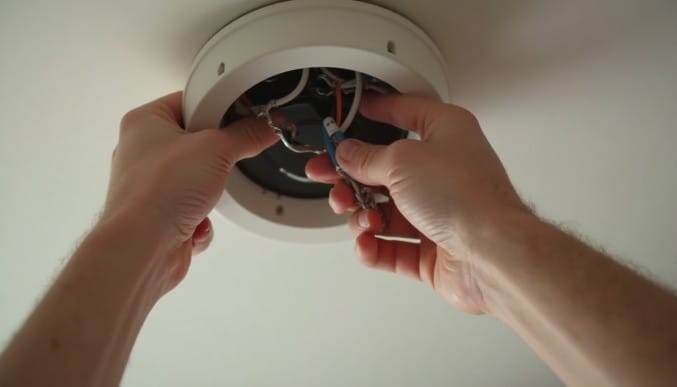
Do Handyman Services Work After Hours?

  • Repairs rarely happen at convenient times
  • Evening services solve after-work problems immediately
  • Weekend bookings help catch up on delayed repairs
  • Waiting often increases repair costs
  • Small issues can quickly turn into bigger problems
  • Combining multiple jobs saves time and money
  • Availability varies between handyman services
  • Acting early reduces stress and disruption
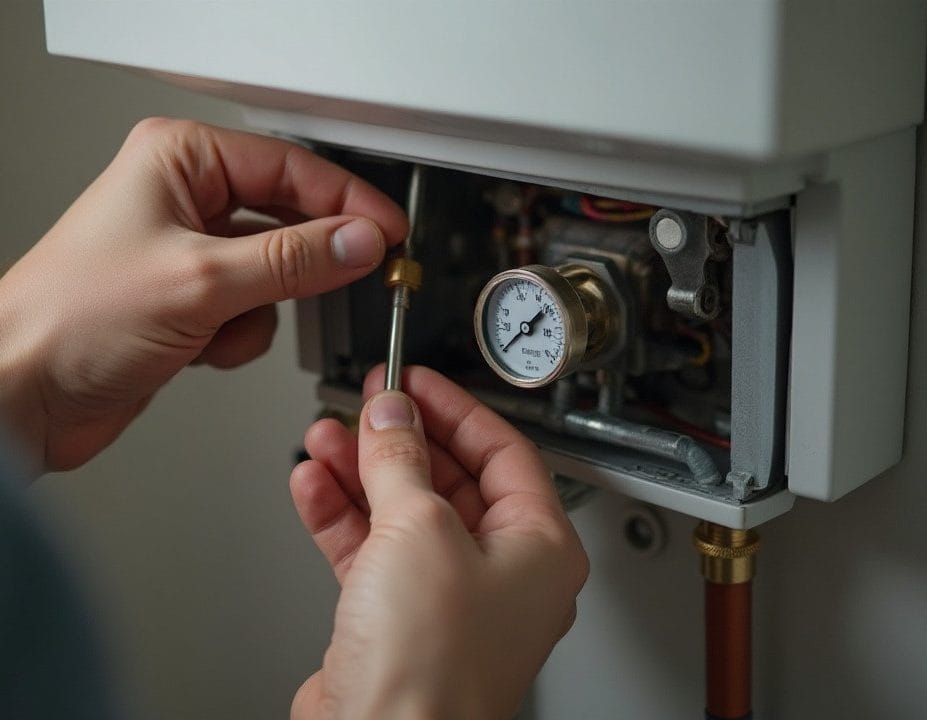
 

It’s 9:10pm on a Wednesday. You’ve just sat down after a long day, and then it happens. The light in the hallway starts flickering, the cupboard door you “fixed” last week drops again, and the washing machine suddenly sounds louder than it should.

You tell yourself you’ll deal with it later. But later never comes. By the time the weekend arrives, you’ve got plans, errands, or simply no energy left to deal with it.

This is where the real question comes in. Not just can you book a handyman outside normal hours, but whether doing so is the smarter move before small problems turn into expensive ones.

The Reality of When Repairs Actually Happen

Most people don’t need repairs at convenient times. Problems show up when you’re using your home, not when you’re free to deal with them.

A leaking tap doesn’t wait for a Saturday morning slot. A loose socket doesn’t care that you’ve got work the next day. And a broken lock becomes urgent the moment you realise you can’t leave the property feeling secure.

This is why the idea of a standard 9–5 handyman service doesn’t match real life. People need access to a evening handyman service because that’s when issues become visible and impossible to ignore.

A tenant in a rented flat might notice a problem late in the evening and immediately think about their deposit. A homeowner might realise a small issue is getting worse but has no time during the day to deal with it. In both cases, waiting is what creates the risk.

Why Waiting Until Weekdays Often Costs More

There’s a common assumption that delaying a repair by a few days doesn’t matter. In reality, that delay is where most problems escalate.

A slow leak left overnight can start affecting cabinets or flooring. A loose hinge becomes a broken door. A minor electrical issue becomes something you actively avoid using.

But the bigger issue is not just damage. It’s the loss of control.

When you wait for a weekday appointment, you’re working around someone else’s schedule. You take what’s available, not what’s convenient. That often means:

  • rearranging your workday
  • waiting longer than expected
  • dealing with the issue while it continues to worsen

Booking a weekend handyman London service changes that dynamic. You’re fixing the problem when it appears, not when it becomes unavoidable.

What Actually Gets Booked in the Evening

Evening jobs are rarely large projects. They’re the things people have been putting off because they didn’t seem urgent at the time.

One of the most common situations is multiple small issues building up. A drawer that doesn’t close properly, a shelf that’s slightly loose, a light fitting that hasn’t worked for weeks. Individually, they don’t justify taking time off work. Together, they become frustrating.

An evening booking often turns into a “catch-up” session where everything gets sorted in one visit. This is where the value really shows. Instead of living with small annoyances for weeks, you deal with them in a few hours.

Another scenario is urgent but not emergency-level work. Something that needs fixing today, but doesn’t require an emergency call-out. That’s where an evening handyman service fits perfectly. It gives you immediate resolution without the pressure or cost of emergency work.

Weekend Bookings: Not Just Convenience, But Strategy

Weekends are where most people finally face the list they’ve been avoiding.

You walk around your property and suddenly notice everything at once. The scuffed wall, the loose handle, the uneven cabinet door. It’s not that these issues appeared overnight. It’s that you finally have time to see them.

This is why weekend bookings are often more productive. Instead of reacting to one issue, you deal with multiple at once.

There’s also a timing advantage. If you’re preparing for something specific, like:

  • a property viewing
  • a landlord inspection
  • new tenants moving in
  • guests arriving

Then a weekend handyman London booking becomes part of preparation, not just repair.

One landlord, for example, realised on a Friday evening that a property needed minor fixes before a Monday viewing. Waiting until the following week wasn’t an option. A weekend visit allowed everything to be sorted in time, avoiding delays and potential lost rental income.

What People Usually Ask Before Booking a Handyman
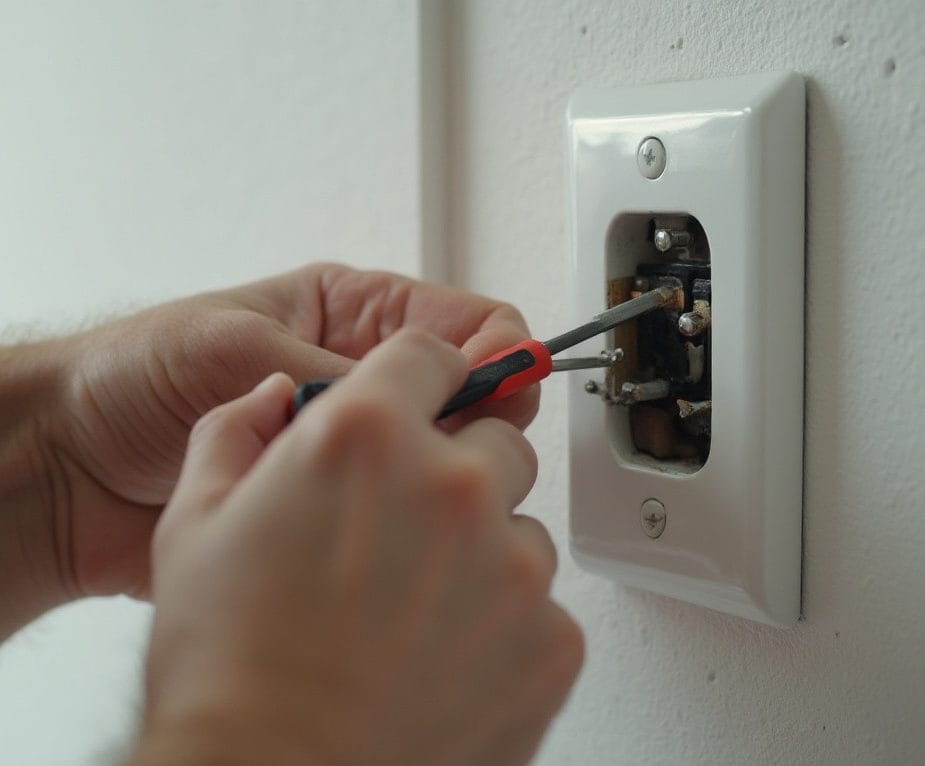
Can I book a handyman in London during the evening?
Yes, many services offer evening availability, especially for urgent or small repairs that need quick attention after working hours.
Are weekend handyman services more expensive?
They can be slightly higher than weekday rates, but often cost less than delaying a repair that leads to bigger damage.
What types of jobs are suitable for evening bookings?
Most small to medium repairs, such as fixing leaks, installing lights, repairing doors, or assembling furniture, can be handled in the evening.
How quickly can a handyman arrive outside normal hours?
This depends on availability, but many services offer same-day or next-day evening and weekend appointments.


The Mistake Most People Make With Timing

The biggest mistake is treating handyman work as something that can always wait.

It usually starts with a small issue. You notice it, decide it’s not urgent, and move on. Days turn into weeks. The issue becomes part of the background.

Then suddenly, it matters. Either because it’s worsened, or because you’re being judged on it. A landlord inspection, a new tenant, or even your own frustration reaching a limit.

At that point, the pressure is higher, the time is limited, and the options are fewer.

Booking earlier, even outside normal hours, is what prevents that situation entirely.

What You Should Know Before Booking Outside Normal Hours

Some limit the type of work they’ll do. Others have restricted time slots that don’t match your needs. And some simply extend their hours without adjusting how they work, which can lead to delays or incomplete jobs.

The key is reliability under time pressure. When you’re booking outside standard hours, you need someone who:

  • understands the urgency
  • arrives prepared
  • completes the job properly without needing follow-ups

This is especially important for evening bookings, where delays can push work late into the night and disrupt your routine further.

Getting Real Value From a Single Visit

One of the most overlooked opportunities with evening or weekend bookings is efficiency.

Many people book for one issue because that’s what’s bothering them at the time. But once the handyman arrives, it becomes clear there were several things that could have been fixed.

The smarter approach is to think ahead. Walk through your property before the visit. Notice the small things you’ve been ignoring. Combine them into one booking.

This turns a single visit into a complete reset of your space. Instead of fixing one problem, you eliminate multiple sources of frustration in one go.

When It Becomes Necessary, Not Optional

There’s a point where booking a handyman is no longer about convenience.

If something affects safety, daily use, or potential costs, waiting is not a neutral decision. It’s a risk.

A faulty lock affects security. A leak affects your property. A damaged fitting can lead to further repairs.

In rental properties, it goes even further. Small visible issues can lead to disputes, complaints, or deductions. What looks minor to you may not look minor to a landlord or agent.

This is where an evening handyman service or weekend handyman London option becomes necessary. It allows you to act before the issue becomes something bigger.

Repairs Don’t Follow Your Schedule

The idea that repairs should fit into working hours doesn’t reflect how people actually live.

Problems show up when you’re using your home, when you’re tired, or when you least expect them. Waiting for the “right time” often means waiting too long.

Being able to book a handyman in the evening or over the weekend gives you flexibility, but more importantly, it gives you control. You deal with issues when they happen, not when your schedule allows.

Need a Handyman at the Right Time, Not Just Any Time?

If you’ve been putting off repairs because you can’t find time during the day, it’s worth rethinking how you approach it.

Booking a reliable handyman outside normal hours means you don’t have to rearrange your life just to fix a problem. It means small issues don’t turn into bigger ones. And it means your home stays functional without ongoing frustration.

Whether it’s one urgent repair or a list you’ve been meaning to deal with, getting it done at the right time is often what makes the biggest difference.
Things London Residents Ask Before Hiring a Handyman

Is it safe to book a handyman at night?
Yes, as long as you choose a trusted and experienced service with proper reviews and verified professionals.
Do landlords allow weekend or evening repairs?
In most cases, yes, especially if the repairs are necessary or prevent further damage to the property.
What should I prepare before an evening handyman visit?
Make sure the issue is clearly explained, the area is accessible, and any related items are ready for inspection or repair.

Can You Book a Handyman on Weekends or Evenings in London?

Safe Furniture Assembly and Wall Fixing Without the Risk

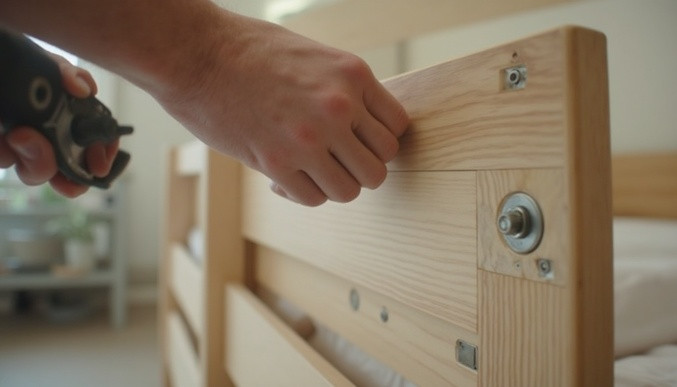
Putting furniture together might seem straightforward, but small mistakes can lead to instability, wall damage, or safety issues later on. This guide helps you understand how to assemble and fix furniture properly so it stays secure in everyday use.

  • Understand Why Furniture Stability Matters
  • Avoid Common Errors During Assembly
  • Know When Wall Fixing Becomes Essential
  • Use the Right Fixings for Different Wall Types
  • Prevent Hidden Risks Behind Walls
  • Get a Result That Stays Secure Over Time


It usually feels like something you can just get done.

You open the flat-pack boxes, lay out the panels, glance at the instructions, and tell yourself it’s just a matter of time and patience. Most people approach furniture assembly this way, especially after moving into a new place when there are already too many things to deal with. Compared to everything else, assembling a wardrobe or mounting a unit feels manageable.

But the moment things don’t line up perfectly, the experience changes.

A screw doesn’t sit right. A panel needs force to fit. One side feels tighter than the other. By the time everything is assembled, the furniture stands upright, but it doesn’t feel completely solid. You tell yourself it’s fine — until you start using it. Doors shift, shelves flex, and the unit moves slightly when touched. It’s not collapsing, but it’s not stable either.

This is where most people realise that assembling furniture properly is not about finishing the steps. It’s about building something that stays safe under daily use — and once wall fixing is involved, it becomes even more important.

Why Furniture Assembly Problems Usually Start Early 

Most issues with furniture don’t happen at the end of the process. They begin in the first few steps and only become noticeable later. The challenge is that these early mistakes don’t always look like mistakes at the time.

Flat-pack furniture is designed with very specific tolerances. Each panel, screw, and connector plays a role in distributing weight evenly across the structure. When something is slightly off — even by a few millimetres — the pressure shifts elsewhere. The furniture may still stand, but it won’t behave as intended.

A common example is uneven alignment during the frame build. If one side is slightly higher or tighter than the other, the structure compensates by twisting very slightly. This twist is not visible at first, but once doors are added or shelves are loaded, the imbalance becomes obvious. Doors won’t close cleanly, shelves won’t sit evenly, and the unit may begin to lean forward or sideways over time.

A tenant in North London assembled a tall wardrobe that looked perfectly fine on completion. The issue only appeared after they started using it. The doors began to misalign, and the base started to shift slightly when opened. The problem wasn’t usage — it was a small misalignment in the initial frame that affected the entire structure.

This is why furniture assembly is less about following instructions and more about understanding how each step affects the next.

What Actually Makes Furniture Stable 

There’s a clear difference between furniture that stands and furniture that feels secure. That difference comes from how the assembly process is handled.

A stable structure is built through alignment, balance, and gradual tightening. When parts are forced into place or tightened too early, the structure loses its natural alignment. This creates internal tension, which weakens the overall stability.

A more reliable method is to assemble everything loosely at first. This allows the structure to settle into the correct position naturally. Once all parts are in place and aligned, tightening is done gradually across the entire unit. This distributes pressure evenly and prevents one area from carrying more load than it should.

This approach also allows for small adjustments along the way. Instead of correcting problems later, it prevents them from forming in the first place. It may feel slower during the process, but it avoids the need to fix instability afterwards.

Another important factor is understanding how the furniture will be used. A wardrobe filled with clothes or a shelving unit loaded with books behaves very differently from an empty frame. Weight changes the way pressure is distributed, and if the structure isn’t prepared for that, it will start to show signs of stress.

Why Wall Fixing Is Where Most Mistakes Become Serious

Assembling furniture is one level of the process. Fixing it to the wall introduces a completely different level of risk.

The biggest issue is that walls are not consistent. In London properties especially, you might be dealing with solid brick in one room and plasterboard in another. The same fixing method will not work for both, and using the wrong approach can create a false sense of security.

A unit might feel firmly attached at first, but under weight, the fixings can begin to loosen. This is particularly common with plasterboard walls, where standard screws do not provide enough support. Over time, the unit can pull away from the wall, damaging both the furniture and the structure behind it.

A tenant in Shoreditch mounted a shelving unit using basic fixings that seemed secure at the time. Once books were added, the weight caused the anchors to shift, and the entire unit started leaning forward. The issue wasn’t the furniture — it was the mismatch between the wall type and the fixing method.

There’s also the hidden risk of what’s behind the wall. Electrical wiring, water pipes, and structural elements are not always visible. Drilling without checking can lead to damage that goes far beyond the original task.

This is why wall fixing is often where DIY attempts become costly. It’s not just about attaching the furniture — it’s about understanding what the wall can handle and how to secure the load properly.

What a Properly Installed Setup Should Feel Like

When furniture is assembled and fixed correctly, the difference is immediately noticeable.

There is no movement when doors are opened. Shelves remain level even under weight. The unit feels like part of the room rather than something placed within it. There’s no need to adjust or check it repeatedly because it simply works as expected.

This level of stability doesn’t come from doing more work. It comes from doing the right work at the right stage of the process.

In smaller London homes, where space is limited and furniture is used intensively, this becomes even more important. Units are opened and closed more frequently, weight is distributed differently, and there is less room for instability. A small issue in a large space might go unnoticed, but in a compact flat, it becomes part of daily use very quickly.

When It’s Smarter to Get It Done Properly the First Time

There’s a point where trying to figure things out becomes less efficient than getting it handled properly.

Large wardrobes, wall-mounted units, and modular systems require a level of precision that is difficult to achieve without experience. The more complex the structure, the more each small mistake affects the final result.

Wall fixing also introduces a level of uncertainty that many people are not comfortable dealing with. Identifying wall types, choosing the correct anchors, and avoiding hidden risks requires more than basic tools.

This is where using a furniture assembly handyman becomes a practical decision rather than a convenience. It ensures that both the assembly and the fixing are handled together, rather than as separate steps that may not align.

A professional wall fixing service also removes the uncertainty around load-bearing capacity and safety, which is often the biggest concern in these situations.

Questions That Come Up During Assembly

Do I always need to fix furniture to the wall?
Not all furniture requires wall fixing, but tall or narrow units like wardrobes and bookcases should always be secured. These types of furniture are more likely to tip, especially once weight is added.
What happens if furniture is not assembled correctly?
Improper assembly can lead to instability, misaligned parts, and long-term damage. Even if the furniture stands initially, it may weaken over time and become unsafe.


What to Consider Before Starting the Job

Before assembling any furniture, it helps to step back and look at the full picture rather than just the instructions.

Think about where the furniture will go, how it will be used, and what kind of load it will carry. Consider the type of wall you’ll be fixing it to and whether you have the right tools to handle it properly.

Make sure there is enough space to assemble the unit without forcing parts into position. Rushing or working in tight areas often leads to misalignment that affects the entire structure.

Most importantly, recognise when the task goes beyond simple assembly. If the job involves heavy units, wall mounting, or anything that needs to remain secure over time, it’s worth approaching it with the same level of care as any other structural work in the home.

It’s Not About Finishing — It’s About Stability

Furniture assembly is often treated as something to complete quickly and move on from. In reality, the outcome affects how the space functions every day.

A unit that is slightly unstable doesn’t just stay that way. It gradually becomes more noticeable, more inconvenient, and in some cases, more risky. Fixing it later is always more difficult than getting it right from the start.

Taking the time to assemble and fix furniture properly — or choosing to have it handled professionally — ensures that it remains stable, safe, and reliable in daily use.

Need It Done Without the Risk?

If you’d rather not deal with uneven assembly or uncertain wall fixing, a professional handyman can handle the entire process from start to finish.

With the right tools and experience, everything is aligned, secured, and installed properly the first time — so you don’t have to think about it again.

What People Usually Ask Before Getting Started

Can I fix furniture to any type of wall?
Yes, but the method depends on the wall type. Solid walls require different fixings than plasterboard. Using the wrong anchors can result in weak support or wall damage.
When should I use a professional handyman for furniture assembly?
If the furniture is large, complex, or needs to be fixed to the wall, using a professional ensures it is assembled and secured properly. This reduces the risk of instability and avoids costly mistakes.

How to Safely Assemble Furniture and Fix It to the Wall

Emergency Repairs at Night

Problems that happen late at night feel different. A small leak, a faulty light, or a broken lock can quickly turn into something more stressful when you can’t wait until morning. This guide helps you understand what can be fixed immediately, when to act, and how to handle urgent situations without risking further damage.

  • Know Which Problems Can’t Wait Until Morning
  • Understand What an Emergency Handyman Can Fix Immediately
  • Prevent Small Issues from Becoming Expensive Damage
  • Handle Night-Time Repairs Without Guesswork


It rarely happens at a convenient time.

You’re settling in for the night, everything is quiet, and then something goes wrong. A pipe starts leaking under the sink. The lights flicker and suddenly stop working in one room. You try to lock the door and realise it won’t secure properly. At that moment, the problem feels bigger than it actually is, not just because of the issue itself, but because it’s happening when everything is closed and options feel limited.

What makes night-time repairs stressful isn’t always the severity of the damage. It’s the uncertainty. You don’t know whether it can wait, whether it will get worse, or whether ignoring it until morning will cost you more than dealing with it immediately. This is exactly when people search for an emergency handyman at night, not because they want convenience, but because the situation no longer feels safe or manageable on its own.

Why Night-Time Repairs Feel More Urgent Than They Actually Are

During the day, most property issues feel manageable. You can call someone, get advice, or schedule a repair. At night, the same issue feels completely different because you’re dealing with it alone, without immediate support, and with limited visibility of how serious it might become.

Small problems feel bigger because they are uncontrolled

A slow leak during the day is something you can monitor. At night, it becomes unpredictable. You don’t know if it will spread, worsen, or affect other areas while you’re asleep. That lack of control is what creates urgency.

A tenant in Shepherd’s Bush noticed water pooling under their washing machine late at night. It didn’t seem severe at first, but within an hour it had spread across the kitchen floor. They tried to contain it with towels, but without stopping the source, the situation kept getting worse. By the time help arrived, the damage had already increased significantly. The issue itself wasn’t complex, but the delay allowed it to escalate.

Safety concerns become more immediate at night

Certain problems are easier to ignore during the day when you feel secure and aware of your surroundings. At night, the same issues become harder to ignore.

A faulty lock, for example, might not seem urgent in the afternoon, but at midnight it changes how safe the property feels. Electrical issues that seem minor during the day become more concerning when lighting is limited. These situations are less about repair and more about restoring a sense of safety quickly.

Waiting can quietly increase the cost of the problem

Many tenants assume waiting until morning is the cheaper option. In reality, delays can make simple repairs more expensive.

Water damage spreads. Loose fittings worsen with use. Electrical faults can lead to further issues if left unchecked. Acting quickly often prevents a small repair from turning into a much larger one.

What an Emergency Handyman Can Realistically Fix at Night

There’s a common misconception that night-time repairs are temporary or limited. In reality, many issues can be resolved properly on the spot, while others can at least be stabilised to prevent further damage.

Plumbing problems that need immediate control

Leaks are one of the most common reasons for emergency calls. Whether it’s under a sink, behind an appliance, or from exposed pipework, the priority is to stop the flow and secure the system.

In many cases, a handyman can fix loose connections, replace small components, or isolate the issue entirely. Even when a full replacement is needed later, controlling the leak immediately prevents damage from spreading overnight.

Electrical issues that affect usability and safety

Electrical faults often feel more serious than they are, but they should never be ignored. A flickering light, a dead socket, or a tripping circuit can indicate underlying issues.

A professional can assess the situation, identify the cause, and make it safe. In many cases, the fix is straightforward, such as tightening connections or replacing a faulty component. The key is ensuring the system is safe to use until a full check is completed if required.

Doors, locks, and security problems

Security-related issues are among the most urgent at night because they affect how safe you feel in your own property.

A door that doesn’t close properly or a lock that fails can often be repaired or adjusted quickly. Even temporary reinforcement can restore security until a permanent fix is completed.

A tenant in Islington once struggled with a front door that wouldn’t latch properly late at night. It wasn’t broken, but it wouldn’t stay closed securely. A quick adjustment resolved the issue and prevented a much more stressful situation.

Fixtures and fittings that suddenly fail

Sometimes it’s not about major systems. It’s about things that stop working at the worst possible time.

A broken bed frame, a loose cabinet door, or a fixture that comes away from the wall can disrupt the entire space. These issues are usually quick to fix but feel more urgent at night because they affect comfort and usability immediately.

What You Should Know

Do emergency handyman services cost more at night?
Yes, in most cases night-time repairs may cost more due to out-of-hours availability. However, the cost is often justified when compared to the damage that could happen if the issue is left overnight, especially with leaks, electrical faults, or security problems.
Can a handyman handle both plumbing and electrical issues in one visit?
A professional handyman can usually handle a range of minor plumbing and electrical issues during the same visit. This is especially useful in urgent situations where multiple small problems appear at once, saving time and avoiding the need to call different specialists.
How quickly can an emergency handyman arrive at night?
Response times vary, but many same-day or emergency handyman services aim to arrive within a few hours, depending on location and availability. Acting quickly is important, as delays can allow problems like leaks or faults to get worse.


What Emergency Repairs Are Really About

Night-time repairs are not always about completing the entire job. They are about regaining control of the situation.

Stopping damage before it spreads

The first priority is always containment. Whether it’s water, electrical risk, or structural instability, preventing the problem from worsening is the most important step.

Making the space usable again

Even if a full repair is not completed immediately, restoring basic functionality allows you to use the space safely until further work is done.

Reducing stress when options are limited

At night, even small problems feel overwhelming because you don’t have immediate solutions. Having access to a professional changes the situation from uncertain to manageable.

Real Situations Where Acting Quickly Made the Difference

A landlord in Fulham received a late-night call about a leaking pipe in a rental property. The issue was addressed within hours, preventing damage to the flooring and avoiding complaints from neighbours below. Waiting until morning would have increased both the cost and the disruption.

In another case, a tenant in Camden experienced a power issue in one room. It wasn’t a full outage, but it made the space unusable. The problem was fixed the same night, allowing normal use without further concern.

These situations are common because emergencies are rarely about dramatic failures. They are about timing and preventing manageable problems from becoming serious ones.

What to Do Next If Something Breaks at Night

When something goes wrong late at night, your response matters more than the problem itself.

Decide whether the issue is stable or worsening

If the problem is getting worse, such as a leak spreading or a fault affecting safety, it should be addressed immediately. If it’s stable, you may have time to plan.

Avoid quick fixes that could cause more damage

Temporary DIY solutions can sometimes make things worse, especially with plumbing or electrics. If you’re unsure, it’s better to avoid interfering and get professional help.

Act quickly when safety or damage is involved

If there’s any risk to safety, security, or property condition, delaying is rarely the better option. Quick action reduces both stress and long-term cost.

Use reliable services that respond quickly

Choosing Same-Day Handyman Services ensures that problems are handled efficiently, even outside normal hours. Speed matters, but so does doing the job properly.

Preventing Future Night-Time Emergencies

Most emergency repairs don’t come out of nowhere. They build up over time.

If you’re unsure whether to fix something early or wait, understanding the difference between DIY and professional work helps avoid future issues.

If you’re preparing for a move or inspection, dealing with damage early prevents last-minute stress.

Night Repairs Are About Control, Not Just Speed

When something breaks at night, the real issue is not just the repair. It’s the lack of control. Handling the situation quickly restores that control. It prevents damage, reduces stress, and ensures the property remains safe and usable.

If you’re dealing with a problem that can’t wait until morning, a professional emergency handyman at night can step in quickly and handle it properly.

Whether it’s a leak, an electrical issue, or a security concern, acting early protects your property and avoids bigger problems later.

Get it sorted now — before a small issue turns into something much harder to fix.


What You Should Know

What counts as an emergency repair at night?
An emergency repair is any issue that affects safety, security, or could worsen quickly if left unattended. This includes leaks, electrical faults, broken locks, or anything that makes the property unsafe or unusable.
Can a handyman fix problems immediately at night?
Yes, many issues can be fixed on the spot, especially plumbing, minor electrical faults, and fittings. In some cases, the handyman may stabilise the situation first to prevent further damage and complete a full repair later if needed.
Is it better to wait until morning for repairs?
It depends on the problem. If the issue is stable and not causing damage, waiting may be fine. However, if it involves water, electricity, or security, delaying can make the situation worse and more expensive to fix.
What should I do before calling an emergency handyman?
Try to assess the situation safely without interfering too much. If possible, turn off water or electricity to reduce risk, and avoid temporary fixes that could cause further damage. Then contact a professional service to handle the repair properly.

Emergency Repairs Late at Night: What Can a Handyman Fix?

Fix Small Property Damage Before It Costs You Money

  • Identify Problems Before They’re Noticed
    Spot loose fittings, wall damage, and faults early instead of being caught off guard.
  • Understand What Actually Gets Flagged
    Learn which small issues landlords pay attention to — and why they matter.
  • Fix Multiple Issues in One Go
    Handle repairs efficiently instead of dealing with separate problems one by one.
  • Avoid Expensive Repair Deductions
    Take control of costs before landlords arrange their own contractors.

You’re getting ready for a landlord inspection, walking through the property thinking everything is under control. Then you slow down and begin noticing things you’ve been ignoring for months. A loose handle you got used to, small holes in the wall where something used to hang, a cupboard that needs a push to close, or a light that flickers but never felt urgent.

None of these felt important before. But now, with someone coming to inspect the property, they suddenly feel like problems. This is where most tenants make a mistake. They assume inspections are about big damage. In reality, they’re about small details that show how well the property has been maintained. When those details start to add up, they can affect your deposit, your landlord’s decision, or even delay what happens next.

That’s why many people turn to a same day handyman London service at this stage — not to improve the property, but to bring it back to a condition that passes inspection without questions.

What Landlords Actually Notice First

When a landlord or agent walks into a property, they are not just looking for obvious damage. They are forming an impression within the first few minutes, and that impression influences how they approach the rest of the inspection. If the property feels well-maintained from the beginning, smaller issues are less likely to stand out. However, if there are signs of neglect early on, everything else is checked more carefully.

It’s about maintenance, not perfection

Most landlords understand that a property will show signs of use over time. They are not expecting it to look brand new, but they do expect it to feel looked after. There is a clear difference between normal wear and something that appears ignored. A small scratch on a wall is acceptable because it reflects everyday use. On the other hand, a wall with multiple unfilled holes or poorly patched areas suggests that repairs were never properly handled.

This distinction becomes even more noticeable with fittings. A slightly worn handle is expected after regular use, but a loose or broken one immediately draws attention because it affects how the property functions. These details are small, but they shape the overall impression.

Small issues signal bigger concerns

Landlords rarely look at problems one by one. Instead, they look for patterns. If they notice one or two minor issues, they may not consider them significant. However, once multiple small problems appear together, they start to assume there could be more hidden issues elsewhere.

A loose hinge, a dripping tap, and visible wall damage together create a different impression than each one individually. Instead of seeing isolated wear, the landlord sees a property that may not have been maintained properly. This is why fixing small issues beforehand is not just about repair — it is about removing any doubt before it forms.

The Most Common Issues That Get Flagged

Some problems appear again and again during inspections, especially in London properties where tenants make small adjustments over time.

Wall damage from everyday use

Wall damage is one of the most common issues, particularly in flats where tenants mount TVs, shelves, or artwork. Over time, even careful use leaves marks behind, and these become more visible when the property is empty.

In many cases, the issue is not the damage itself but how it has been left. Drill holes, uneven patches, and mismatched paint are immediately noticeable during inspection. A tenant once removed a wall-mounted unit just before inspection and realised that the wall looked worse than expected. The holes were still visible, and the paint did not match the surrounding area. It was not major damage, but it stood out enough to be flagged.

Doors, handles, and fittings that don’t feel right

These are the parts of the property that landlords interact with directly. During an inspection, they will open doors, test handles, and check how things function. Even a small issue becomes obvious because it affects the way something works.

A loose door handle, a cupboard that does not close properly, or hinges that feel stiff or misaligned can quickly change the impression of a room. These are simple problems to fix, but when left unresolved, they suggest that maintenance has been overlooked.

Minor electrical issues that create concern

Electrical problems are often taken more seriously than they appear because they relate to safety. Even small issues can raise concerns about whether something has been properly maintained.

A flickering light, a loose socket, or a switch that does not respond consistently may not seem urgent during daily use. However, during inspection, these issues immediately stand out because they suggest a potential fault that has not been addressed. One tenant ignored a flickering light for months because it still worked, but during inspection, it became a point of concern.

Small plumbing problems that stand out

Plumbing issues are easy to live with but difficult to ignore when someone is inspecting the property. A dripping tap or a loose fitting may not feel urgent, but it clearly shows that something has not been maintained properly.

These problems are usually simple to fix, but when left unresolved, they become a clear reason for deductions. The difference is not the size of the issue but the fact that it was left unaddressed.

What Happens If You Don’t Fix These Issues

Many tenants delay repairs because they seem minor or manageable. The problem is that once the inspection takes place, the situation changes completely.

If an issue is identified, the landlord takes control of the repair. They will arrange a contractor and deduct the cost from your deposit. At that point, you no longer have any influence over how the work is done or how much it costs. In many cases, these charges are higher than expected.

Another issue is that small problems rarely stay small during inspection. A single loose fitting might be overlooked, but several small issues combined create a list. That list becomes the basis for deductions.

Finally, once multiple issues are noticed, the inspection becomes more detailed. The landlord begins checking more carefully, which increases the likelihood of additional problems being found.

What Most People Don’t Know

There are several factors that tenants only realise after the inspection has already happened.

Poor DIY repairs are one of the biggest risks. Trying to fix something quickly without doing it properly can make the issue more visible. Uneven paint, poorly filled holes, or unstable fittings stand out immediately because they look rushed. In many cases, these repairs attract more attention than the original damage.

Timing is another important factor. Fixing something too early can result in it being damaged again before inspection. Fixing it too late creates pressure and increases the chance of mistakes. The timing needs to be close enough to inspection for the result to hold.

Many people also assume they need different specialists for each repair. In reality, a professional emergency handyman London service can handle multiple small issues in one visit, making the process far more efficient and reliable.

Real Situations Where Quick Fixes Made the Difference

A tenant had an inspection scheduled with less than a day’s notice and initially believed everything was fine. As they looked more closely, they noticed wall marks, loose fittings, and a faulty light. None of these issues were serious on their own, but together they could have affected the outcome. A same-day handyman resolved everything within a few hours, and the inspection went through without problems.

In another situation, a landlord preparing a property for new tenants discovered that several minor issues had built up over time. Instead of delaying the move-in, they booked a same day handyman London service and had everything fixed in one visit. This ensured the property was ready immediately without creating further delays.

What to Do Next If You Have an Inspection Coming Up

If you have an inspection approaching, the best approach is to be practical and focused rather than trying to fix everything at once without a plan.

Start by walking through the property as if you are seeing it for the first time. Open doors, test fittings, and pay attention to details you have become used to. This helps you identify what actually stands out.

Next, focus on the issues that are visible, affect functionality, or suggest lack of maintenance. These are the areas that influence inspection outcomes the most.

If you are short on time or unsure how to fix something properly, it is often better to get help rather than risk doing it incorrectly. A handyman London service allows you to resolve everything quickly and professionally without adding unnecessary stress.

Most importantly, fix problems before they become decisions. Once the inspection happens, the outcome is no longer in your control. Handling issues beforehand ensures that you stay in charge of both the condition of the property and the cost involved.

Need Help Before Your Inspection?

If your inspection is close and you want to avoid deductions or delays, the most practical step is to deal with everything in one go.

A professional handyman London service can handle wall repairs, fittings, minor electrical and plumbing work, and general maintenance quickly and properly. An experienced emergency handyman London ensures nothing is missed and everything is ready before it is checked.

Instead of worrying about what might be flagged, you can hand over the property knowing it has been properly taken care of — and that confidence makes all the difference.

Frequently Asked Questions

How much damage is considered normal wear and tear?
Normal wear and tear usually includes minor marks, light scuffs, or slight ageing that naturally happens over time. However, things like unfilled holes in walls, broken fittings, or visible neglect go beyond that. The issue is not the size of the damage, but whether it looks maintained or ignored. Even small problems can be flagged if they affect the overall condition of the property.
Should I fix small issues before moving out or leave them?
It’s almost always better to fix them yourself before leaving. Once the landlord identifies an issue, they will arrange repairs and deduct the cost from your deposit. These costs are often higher than what you would pay directly. Fixing small problems early keeps you in control of both the quality of the work and the cost.
Can a landlord charge for minor repairs?
Yes, if the issue is considered beyond normal wear and tear or shows lack of maintenance. Even minor problems like loose handles, wall damage, or small leaks can lead to charges if they weren’t addressed. Landlords look at the overall condition, not just individual problems, so small issues can add up quickly.

Last-Minute Repairs Before a Landlord Inspection: What Really Matters

What to Expect

  • Fast Response When You Need It Most
    Get urgent issues handled the same day, whether it’s a leak, electrical fault, or last-minute repair before an inspection.
  • One Visit, Properly Done
    An experienced emergency handyman London arrives prepared to fix the problem fully, not just temporarily.
  • Save Time, Avoid Bigger Problems
    Fix issues early before they turn into costly repairs or cause delays in your plans.

It usually starts with something small that suddenly becomes urgent. A tap that wouldn’t stop dripping overnight, a socket that stops working just as you’re about to start your day, or a wardrobe you thought you could assemble in an hour still lying in pieces the night before a move. These situations are common, and they rarely happen at a convenient time.

You don’t plan for these issues, but when they appear, waiting a few days isn’t practical. That’s when people start searching for a same day handyman London service — not because it’s convenient, but because they need the problem solved quickly and properly. The difficulty is that not every service delivers what it promises. Some arrive late, some come unprepared, and others fix the surface issue without addressing the real cause.

If you’re booking a same-day handyman, you’re not just paying for speed. You’re paying for certainty — the confidence that the issue will be handled in one visit without creating new problems later.

What “Same-Day” Actually Means in Practice

There is often a misunderstanding about what same-day service involves. It doesn’t mean someone will arrive immediately after you call. It means your job is prioritised within the same day and scheduled into a realistic time slot.

A reliable emergency handyman London service will be clear from the beginning. They will confirm availability honestly, give you a specific timeframe, and ask questions about the issue so they arrive prepared. This preparation is what makes the difference between a job being completed on the spot and one that drags into multiple visits.

Many people only realise this after a bad experience. A handyman may arrive quickly but then say they need to return with the right tools or parts. At that point, the speed becomes meaningless because the problem is still unresolved.

When Same-Day Service Becomes the Only Option

Some issues can wait a few days without consequence, but others quickly escalate if ignored. A small leak, for example, may seem manageable at first, but over time it can cause damage to cabinets, flooring, or even neighbouring properties. Electrical issues follow a similar pattern — a flickering light or faulty socket may appear minor but can signal a deeper problem that shouldn’t be delayed.

There are also situations where timing itself creates urgency. A tenant preparing for a move-out inspection may suddenly notice wall damage after removing a mounted TV or a cupboard door that no longer closes properly. These are not major repairs, but they directly affect the outcome of the inspection. In one case, a tenant in Islington faced exactly this situation and resolved multiple issues in a single visit with a same-day handyman, avoiding potential deductions.

In many households, the urgency comes from lack of time rather than the severity of the issue. Busy professionals often delay small repairs because they don’t have the tools or the time to deal with them. Over weeks, these small problems accumulate until they need immediate attention. 

What Actually Happens After You Book

The process begins with your first interaction, and this is where you can usually tell whether the service is reliable. A professional handyman will ask specific questions about the issue, such as when it started, what exactly is happening, and whether you can provide photos. This isn’t unnecessary detail — it’s preparation that allows them to arrive ready to fix the problem.

When the handyman arrives, the first step is always assessment. Even when something appears straightforward, there is often an underlying cause that needs to be identified. A dripping tap might require internal part replacement rather than tightening, and a loose shelf might need reinforcement instead of a quick adjustment. Skipping this step often leads to repeat issues.

The goal of a proper emergency handyman London service is to complete the work during the first visit. Experienced professionals carry a wide range of tools and commonly needed parts so they can handle different types of jobs without delay. This approach reduces disruption and ensures the issue is resolved properly rather than temporarily.

Real Situations Where Same-Day Service Makes the Difference

Many problems only feel urgent once you are dealing with them directly. A landlord preparing a property for new tenants may discover last-minute issues such as a faulty light fitting or deteriorating bathroom sealant. While these may seem minor, they affect the overall condition of the property and can delay occupancy. Addressing them quickly ensures the property is ready without compromising standards.

Another common scenario involves DIY work that doesn’t go as planned. A homeowner attempting to install shelves may realise the brackets are misaligned or the wall cannot support the weight. What started as a simple task becomes a risk that needs to be corrected before further damage occurs.

There are also cases where multiple small issues combine into a larger problem. A sticking door, a loose handle, and a minor leak may not seem urgent individually, but together they create frustration and inconvenience. A single visit from a skilled handyman resolves all of them efficiently.

What Most People Don’t Know

One of the biggest misconceptions is that fast service means rushed work. In reality, a good same-day service is built on preparation and experience, allowing the handyman to work efficiently without cutting corners. If a job is rushed, it often leads to repeat problems that could have been avoided.

Another common mistake is choosing the cheapest option. While it may seem like a saving at the time, low-cost services often provide temporary fixes that fail to address the root issue. This leads to additional costs later, making the initial saving irrelevant.

Many people also underestimate how quickly small issues can escalate. A minor leak or loose fitting rarely stays the same. It develops into something more complex and expensive if left unattended. Acting early with a reliable emergency handyman London service prevents this progression.

What to Do Next If You Need Help Today

If you are dealing with an urgent issue, a clear approach helps you get the best result. Start by describing the problem as accurately as possible. Providing detail allows the handyman to prepare properly and increases the likelihood of a same-day fix.

Booking early in the day improves your chances of securing a convenient time slot. Waiting until later reduces availability and may lead to delays. It is also important to prioritise reliability over speed alone. A fast arrival is not helpful if the job is not completed properly.

Finally, make sure the work area is accessible. Clearing space and ensuring easy access allows the handyman to work efficiently and complete the job without unnecessary interruptions.

When Same-Day Service Isn’t Optional

There are situations where delaying a repair is not just inconvenient but risky. Electrical faults, plumbing leaks, and issues affecting security should be addressed immediately to prevent further damage or safety concerns.

Even less urgent problems can become time-sensitive when tied to deadlines such as inspections, tenant move-ins, or property viewings. In these cases, a same day handyman London service is not an extra — it is the most practical solution.

Need a Same-Day Handyman You Can Rely On?

If you are dealing with an urgent repair or want to handle multiple issues without delay, working with a trusted same day handyman London service makes a real difference. From minor plumbing and electrical work to furniture assembly, wall mounting, and general property maintenance, an experienced emergency handyman London team can complete the work efficiently and to a professional standard.

Same-Day Handyman Services in London: What to Expect

If you are handy around the house, you more than likely take pride in your DIY projects. However, being successful in tiling or painting does not mean you can do every home improvement project.

handyman

At Bob’s Handyman Services, we know that sometimes, remodelling or complex repairs require a handyman, and turning it into a DIY project can backfire. 

Continue reading

Factors to Help You Determine if You Need a Handyman

  • Explore each before installing an external oil boiler. 
  • Take into account the size of space you have for the tank installation, 
  • Calculate heat escaping outdoors.
Continue reading

Easy Guide to Regulations External Oil Boilers

Bob’s Handyman Services is a reputable company of specialists in home repairs and property maintenance serving the UK since 2016. You can expect the expert tradesmen to render the average man or woman assistance with a wide range of installations and repairs. As a company of professional handymen, we are bound to keep up with trends and novelties and that’s why today we’ll do a walkthrough in the field of concrete flooring. Continue reading

Concrete Flooring Trends To Look Out For This Year

Bedroom SoundproofThere is nothing more irritating than noise stealing your sleep throughout the night. No matter how many earplugs or sound machines you try, you just can’t find peace and quiet.

Environmental noise that comes from traffic, airplanes and trains has been a significant challenge for the World Health Organisation, especially in Western Europe. Continue reading

6 Ways to Soundproof Your Bedroom for Better Sleep

Maximise and Enhance Light

When it comes to interior design, whether it be in the home or in a commercial building, having a large space to work with is a real pleasure. The possibilities for design and indeed décor, really open up and your creativity and flair can run riot. There are a number of important factors to take into account and trends change. Continue reading

Chat