
How to Safely Assemble Furniture and Fix It to the Wall
Safe Furniture Assembly and Wall Fixing Without the Risk
Putting furniture together might seem straightforward, but small mistakes can lead to instability, wall damage, or safety issues later on. This guide helps you understand how to assemble and fix furniture properly so it stays secure in everyday use.
- Understand Why Furniture Stability Matters
- Avoid Common Errors During Assembly
- Know When Wall Fixing Becomes Essential
- Use the Right Fixings for Different Wall Types
- Prevent Hidden Risks Behind Walls
- Get a Result That Stays Secure Over Time
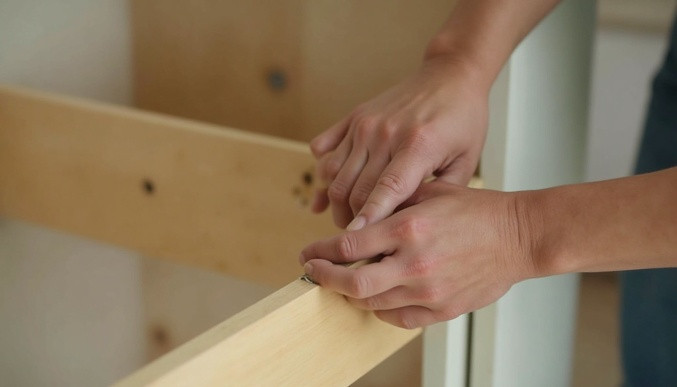
It usually feels like something you can just get done.
You open the flat-pack boxes, lay out the panels, glance at the instructions, and tell yourself it’s just a matter of time and patience. Most people approach furniture assembly this way, especially after moving into a new place when there are already too many things to deal with. Compared to everything else, assembling a wardrobe or mounting a unit feels manageable.
But the moment things don’t line up perfectly, the experience changes.
A screw doesn’t sit right. A panel needs force to fit. One side feels tighter than the other. By the time everything is assembled, the furniture stands upright, but it doesn’t feel completely solid. You tell yourself it’s fine — until you start using it. Doors shift, shelves flex, and the unit moves slightly when touched. It’s not collapsing, but it’s not stable either.
This is where most people realise that assembling furniture properly is not about finishing the steps. It’s about building something that stays safe under daily use — and once wall fixing is involved, it becomes even more important.
Why Furniture Assembly Problems Usually Start Early
Most issues with furniture don’t happen at the end of the process. They begin in the first few steps and only become noticeable later. The challenge is that these early mistakes don’t always look like mistakes at the time.
Flat-pack furniture is designed with very specific tolerances. Each panel, screw, and connector plays a role in distributing weight evenly across the structure. When something is slightly off — even by a few millimetres — the pressure shifts elsewhere. The furniture may still stand, but it won’t behave as intended.
A common example is uneven alignment during the frame build. If one side is slightly higher or tighter than the other, the structure compensates by twisting very slightly. This twist is not visible at first, but once doors are added or shelves are loaded, the imbalance becomes obvious. Doors won’t close cleanly, shelves won’t sit evenly, and the unit may begin to lean forward or sideways over time.
A tenant in North London assembled a tall wardrobe that looked perfectly fine on completion. The issue only appeared after they started using it. The doors began to misalign, and the base started to shift slightly when opened. The problem wasn’t usage — it was a small misalignment in the initial frame that affected the entire structure.
This is why furniture assembly is less about following instructions and more about understanding how each step affects the next.
What Actually Makes Furniture Stable
There’s a clear difference between furniture that stands and furniture that feels secure. That difference comes from how the assembly process is handled.
A stable structure is built through alignment, balance, and gradual tightening. When parts are forced into place or tightened too early, the structure loses its natural alignment. This creates internal tension, which weakens the overall stability.
A more reliable method is to assemble everything loosely at first. This allows the structure to settle into the correct position naturally. Once all parts are in place and aligned, tightening is done gradually across the entire unit. This distributes pressure evenly and prevents one area from carrying more load than it should.
This approach also allows for small adjustments along the way. Instead of correcting problems later, it prevents them from forming in the first place. It may feel slower during the process, but it avoids the need to fix instability afterwards.
Another important factor is understanding how the furniture will be used. A wardrobe filled with clothes or a shelving unit loaded with books behaves very differently from an empty frame. Weight changes the way pressure is distributed, and if the structure isn’t prepared for that, it will start to show signs of stress.
Why Wall Fixing Is Where Most Mistakes Become Serious
Assembling furniture is one level of the process. Fixing it to the wall introduces a completely different level of risk.
The biggest issue is that walls are not consistent. In London properties especially, you might be dealing with solid brick in one room and plasterboard in another. The same fixing method will not work for both, and using the wrong approach can create a false sense of security.
A unit might feel firmly attached at first, but under weight, the fixings can begin to loosen. This is particularly common with plasterboard walls, where standard screws do not provide enough support. Over time, the unit can pull away from the wall, damaging both the furniture and the structure behind it.
A tenant in Shoreditch mounted a shelving unit using basic fixings that seemed secure at the time. Once books were added, the weight caused the anchors to shift, and the entire unit started leaning forward. The issue wasn’t the furniture — it was the mismatch between the wall type and the fixing method.
There’s also the hidden risk of what’s behind the wall. Electrical wiring, water pipes, and structural elements are not always visible. Drilling without checking can lead to damage that goes far beyond the original task.
This is why wall fixing is often where DIY attempts become costly. It’s not just about attaching the furniture — it’s about understanding what the wall can handle and how to secure the load properly.
What a Properly Installed Setup Should Feel Like
When furniture is assembled and fixed correctly, the difference is immediately noticeable.
There is no movement when doors are opened. Shelves remain level even under weight. The unit feels like part of the room rather than something placed within it. There’s no need to adjust or check it repeatedly because it simply works as expected.
This level of stability doesn’t come from doing more work. It comes from doing the right work at the right stage of the process.
In smaller London homes, where space is limited and furniture is used intensively, this becomes even more important. Units are opened and closed more frequently, weight is distributed differently, and there is less room for instability. A small issue in a large space might go unnoticed, but in a compact flat, it becomes part of daily use very quickly.
When It’s Smarter to Get It Done Properly the First Time
There’s a point where trying to figure things out becomes less efficient than getting it handled properly.
Large wardrobes, wall-mounted units, and modular systems require a level of precision that is difficult to achieve without experience. The more complex the structure, the more each small mistake affects the final result.
Wall fixing also introduces a level of uncertainty that many people are not comfortable dealing with. Identifying wall types, choosing the correct anchors, and avoiding hidden risks requires more than basic tools.
This is where using a furniture assembly handyman becomes a practical decision rather than a convenience. It ensures that both the assembly and the fixing are handled together, rather than as separate steps that may not align.
A professional wall fixing service also removes the uncertainty around load-bearing capacity and safety, which is often the biggest concern in these situations.
Questions That Come Up During Assembly
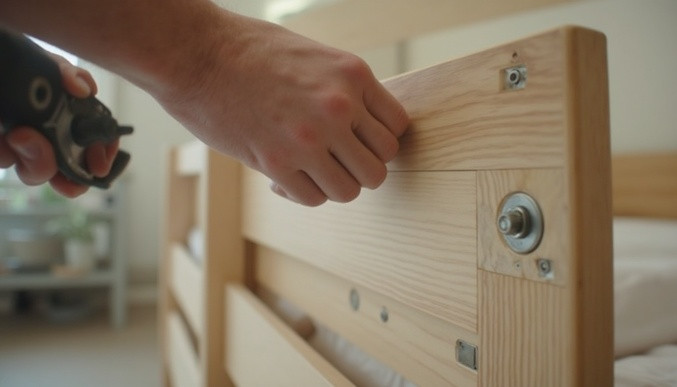
What to Consider Before Starting the Job
Before assembling any furniture, it helps to step back and look at the full picture rather than just the instructions.
Think about where the furniture will go, how it will be used, and what kind of load it will carry. Consider the type of wall you’ll be fixing it to and whether you have the right tools to handle it properly.
Make sure there is enough space to assemble the unit without forcing parts into position. Rushing or working in tight areas often leads to misalignment that affects the entire structure.
Most importantly, recognise when the task goes beyond simple assembly. If the job involves heavy units, wall mounting, or anything that needs to remain secure over time, it’s worth approaching it with the same level of care as any other structural work in the home.
It’s Not About Finishing — It’s About Stability
Furniture assembly is often treated as something to complete quickly and move on from. In reality, the outcome affects how the space functions every day.
A unit that is slightly unstable doesn’t just stay that way. It gradually becomes more noticeable, more inconvenient, and in some cases, more risky. Fixing it later is always more difficult than getting it right from the start.
Taking the time to assemble and fix furniture properly — or choosing to have it handled professionally — ensures that it remains stable, safe, and reliable in daily use.
Need It Done Without the Risk?
If you’d rather not deal with uneven assembly or uncertain wall fixing, a professional handyman can handle the entire process from start to finish.
With the right tools and experience, everything is aligned, secured, and installed properly the first time — so you don’t have to think about it again.
