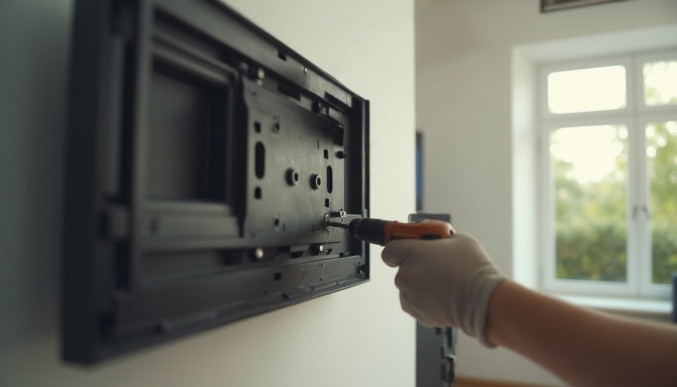
Furniture Assembly Problems
- Missing parts can delay or stop furniture assembly entirely.
- Instruction manuals are often unclear or difficult to follow.
- Large items usually require more than one person to assemble safely.
- Incorrect alignment can affect stability and usability.
- Wall-mounted furniture requires correct fixing for different wall types.
- DIY mistakes can damage panels and fittings.
- Professional help can improve safety and accuracy.
"*" indicates required fields
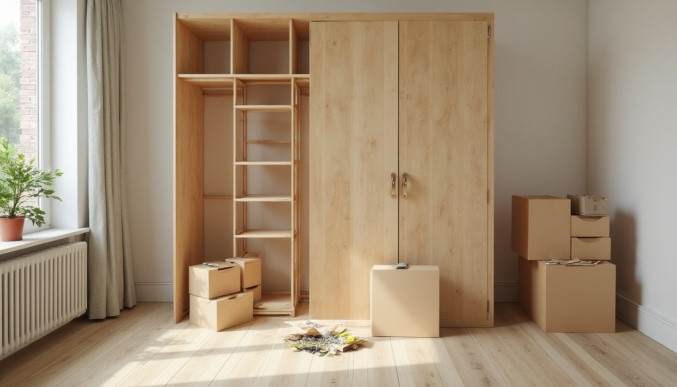
Buying new furniture is often an exciting part of improving a home or workspace. Whether it is a new wardrobe for a bedroom, a desk for a home office, or storage units for a rental property, many people assume assembly will be a straightforward task. After all, most furniture arrives with instructions, labelled components, and all the fittings supposedly included in the box.
In reality, however, furniture assembly can quickly become more complicated than expected. Missing parts, unclear instructions, alignment issues, and heavy components frequently turn what seems like a simple project into a frustrating experience. Many homeowners, tenants, landlords, and property managers discover that assembling furniture properly requires more time, tools, and practical knowledge than anticipated.
Understanding the most common assembly challenges can help people avoid mistakes, protect their furniture investment, and ensure that completed items remain safe and stable for years to come.
Missing or Incorrect Components
One of the most common issues encountered during flat-pack furniture assembly is discovering that essential components are missing or incorrect.
Although manufacturers typically include all necessary fittings, errors can occur during packaging. Missing screws, brackets, dowels, hinges, or connecting bolts can halt assembly entirely. In some cases, the correct quantity may be supplied, but the wrong size or type of fitting is included.
Problems are not always limited to hardware. Occasionally, furniture arrives with duplicate panels or missing structural sections, making completion impossible without replacement parts.
Experienced handymen are often familiar with a wide range of furniture fittings and fastening systems. They can quickly identify whether a missing component can be safely substituted or whether a replacement part must be obtained from the manufacturer.
This knowledge can save considerable time and prevent unnecessary damage caused by using unsuitable alternatives.
Confusing Assembly Instructions
Poorly written manuals remain one of the biggest frustrations associated with assembling furniture.
Many furniture manufacturers distribute products internationally, and instruction booklets are often translated into multiple languages. As a result, wording can be unclear, diagrams may lack detail, and assembly sequences can become difficult to follow.
Even when instructions appear straightforward, small details are sometimes overlooked. A panel installed backwards early in the process may not become obvious until several steps later, requiring partial disassembly and additional work.
A common example involves drawer units where runners are attached incorrectly. The mistake may not be noticed until the drawers fail to slide properly after the entire frame has been assembled.
Those with experience in furniture assembly often recognise common design patterns and can identify potential issues before they become major problems.
Furniture That Requires Multiple People
Certain pieces of home furniture assembly simply cannot be completed safely by one person.
Large wardrobes, tall shelving units, king-size bed frames, sideboards, and storage cabinets often require multiple people to position, stabilise, and secure components during assembly.
Attempting these projects alone creates several risks. Heavy panels can fall unexpectedly, assembled sections can twist under their own weight, and lifting large components without assistance may lead to injury.
For example, a wardrobe side panel may appear manageable when lying flat. However, once partially assembled, the combined structure can become awkward and unstable when raised into position.
The same applies to office furniture installations involving large desks, conference tables, and workstation systems. These products frequently require careful coordination during assembly to prevent damage to components and surrounding property.
Having sufficient support throughout the process greatly improves safety and accuracy.
Damaged Panels and Incorrect Alignment
One of the quickest ways to ruin furniture is through improper furniture fitting techniques.
When components do not appear to fit together correctly, some people attempt to force them into place. Unfortunately, this often leads to chipped laminate surfaces, cracked panels, damaged fixings, or stripped screw holes.
Alignment problems commonly occur when earlier assembly stages have not been completed precisely. A slight error at the beginning of a project can create larger issues later, particularly when installing doors, drawers, or shelving systems.
Consider a flat-pack chest of drawers. If the main frame is not perfectly square, drawer runners may become misaligned, causing drawers to stick, sag, or fail to close properly.
Correct alignment is essential not only for appearance but also for long-term structural stability. Furniture assembled accurately generally lasts longer and performs better throughout its lifespan.
Wall-Mounted Furniture Challenges
Installing furniture installation systems on walls presents an entirely different set of challenges.
Floating shelves, wall-mounted cabinets, television units, and modular storage systems rely heavily on appropriate fixing methods. The wrong fixing choice can compromise both safety and performance.
Many UK properties contain a mixture of wall types, including plasterboard, brick, blockwork, and stud partition walls. Each requires specific fixings capable of supporting the intended load.
For example, a fixing suitable for a solid brick wall may fail completely if used in plasterboard without additional support. Likewise, shelves carrying books or decorative items place far greater demands on wall fixings than lightweight displays.
Correctly identifying wall construction, selecting suitable anchors, and ensuring level installation are all critical aspects of successful wall-mounted furniture assembly.
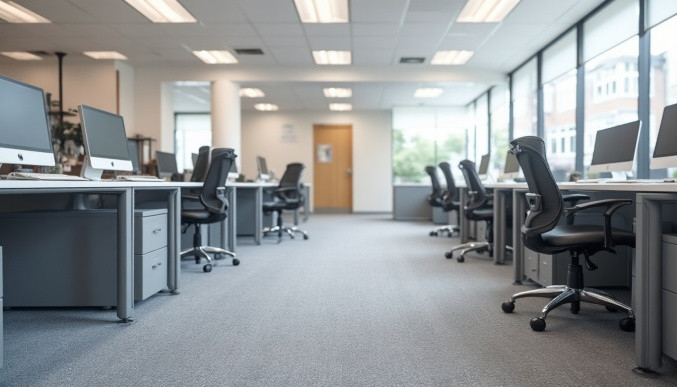
Flat-Pack Wardrobes and Large Storage Units
Among all forms of flat-pack furniture assembly, wardrobes and large storage units are often considered the most challenging.
These pieces frequently contain dozens of individual components, numerous fittings, multiple doors, and complex internal storage arrangements. Assembly can take several hours even under ideal conditions.
A common difficulty involves ensuring that the main structure remains perfectly square. Small deviations can create significant problems when fitting doors or adjusting internal shelves.
Sliding wardrobe doors present particular challenges. Even slight alignment issues can prevent smooth operation or cause doors to rub against surrounding panels.
Levelling also plays an important role. Floors in many properties are not perfectly even, and large wardrobes must often be adjusted to compensate for minor surface irregularities.
Failure to address these issues can result in unstable furniture that gradually shifts over time.
Office Furniture Assembly Issues
Modern workplaces increasingly depend on well-designed office furniture assembly to support productivity and comfort.
Office desks, filing cabinets, storage systems, reception furniture, and ergonomic workstations often involve more complicated assembly requirements than residential furniture.
Height-adjustable desks, for example, may contain electrical components, cable management systems, and specialised adjustment mechanisms that require precise installation.
Meeting room furniture frequently involves large surfaces that must be aligned accurately to create a professional appearance.
Incorrect assembly can affect usability, reduce furniture lifespan, and potentially create workplace safety concerns.
For landlords furnishing rental offices or businesses upgrading their workspaces, proper assembly helps ensure that furniture performs as intended while maintaining a professional environment.
Common DIY Mistakes During Furniture Assembly
Many furniture-related problems arise because of avoidable mistakes made during assembling furniture projects.
One common issue involves overtightening screws. Excessive force can strip threads, crack particleboard panels, and weaken connections rather than strengthen them.
Incorrect part placement is another frequent problem. Components that appear similar may have subtle differences, and installing the wrong piece can create complications later.
Skipping instruction steps often causes difficulties as well. Some assembly sequences are designed specifically to ensure proper alignment and stability. Ignoring these steps can lead to structural weaknesses.
Using unsuitable tools presents additional risks. Improvised tools may damage fittings, scratch surfaces, or fail to achieve the required level of precision.
Many people also overlook the importance of checking measurements and orientation before securing components permanently. Taking a few moments to verify placement can prevent significant rework later.
When Furniture Assembly Becomes a Safety Risk
Poorly completed furniture assembly can create genuine safety concerns within homes and workplaces.
Tall furniture items such as wardrobes, bookcases, and storage units may become tipping hazards if not assembled or anchored correctly. This is particularly important in properties with children or pets.
Wall anchoring systems are often supplied with large furniture items for good reason. Proper anchoring helps prevent accidental movement and significantly reduces the risk of tipping incidents.
Structural instability can also develop when fixings are installed incorrectly or when damaged components are used during assembly.
In office environments, unstable furniture may present additional concerns due to frequent daily use and higher occupancy levels.
Recognising when assembly quality affects safety is essential for protecting both occupants and property.
Benefits of Using a Handyman for Complex Furniture Assembly
For larger or more challenging projects, handyman services can provide practical advantages.
Experienced handymen typically possess the tools needed to complete furniture assembly efficiently and accurately. They are often familiar with common furniture systems and can identify potential problems early in the process.
Accurate assembly reduces the likelihood of damaged components, misaligned doors, unstable structures, and unnecessary delays.
Professional assistance can also be particularly valuable when dealing with heavy furniture, wall-mounted units, or complex office installations.
Another benefit involves time savings. Busy professionals, landlords managing multiple properties, and homeowners balancing family commitments may prefer to avoid spending an entire weekend assembling a single wardrobe or storage system.
Most importantly, proper assembly helps ensure that furniture remains safe, functional, and durable over the long term.
Final Thoughts on Preventing Furniture Assembly Problems
While flat-pack products are designed for convenience, furniture installation often proves more demanding than expected. Missing components, confusing instructions, alignment issues, heavy lifting requirements, and wall-mounting challenges can quickly turn a simple project into a time-consuming task.
Many assembly problems stem from rushing the process, using unsuitable tools, or overlooking critical details during construction. Taking time to prepare properly, carefully following instructions, and recognising when a project exceeds DIY comfort levels can prevent costly mistakes.
Whether assembling furniture for a family home, rental property, or office environment, accuracy and safety should always take priority over speed. Well-assembled furniture not only looks better but also performs more reliably and remains secure for years to come.
Understanding the challenges involved allows homeowners, tenants, landlords, and property managers to make informed decisions and avoid many of the common problems that occur during furniture assembly projects.
Common Questions About Furniture Assembly
What Our Customer Say’s
These are some of the responses from our customers who are very satisfied

Great service, punctual and as expected.
Great efficient service, came on time, really conscious of keeping our flat clean and tidy by taping plastic bag to catch the dust from the drilling, didn’t even need to tell him to take his shoes off (we have no shoes policy). Really impressed with the service, definitely use Bob’s Handyman Service again.
Very good service! They came on time, very happy I used your services!
Good job done. Dishwater installed perfectly. Arrived on time, easy booking and reliable staff.
It was quick, professional executed in every way and done by a very friendly and peasant guy. Thank you. I will definitely use you again and recommend you to others.
Bob’s Handyman team did a great job the first time I called them. I would certainly be happy to use their services again.
Great job! I highly recommend them!
Great value for money. Reliable workmen, competitive prices and very efficient. Will use your company again.
I was very impressed with your service – it was the first time I used it, but it surely will not the last!
Thank you Bob’s Handyman for the amazing job done on my bathroom. Very professional company.
I would definitely book them again, if I need help!
It was a pleasure to deal with your staff.
Excellent service! I needed a whole room repainted and the people you sent did a wonderful job. I would recommend you to my friends.
I’ve been using these guys for over an year now and they are brilliant every single time. No matter of its something small or a job that needs a lot of skills they do it professionally. I’ve been recommending them to everyone.
I was really pleased with the work that was completed on time. The handyman who came did the jobs quickly and efficiently and left everything tidy.
I’m very pleased with the carried out work. The handyman was very knowledgeable, worked tidy and quickly and did e great job. Will be recommending your services.
The job was for my parents who were very happy with the person who did the job and would definitely use your services again.
Your handy man put in extra effort to do the job, which I appreciate very much.