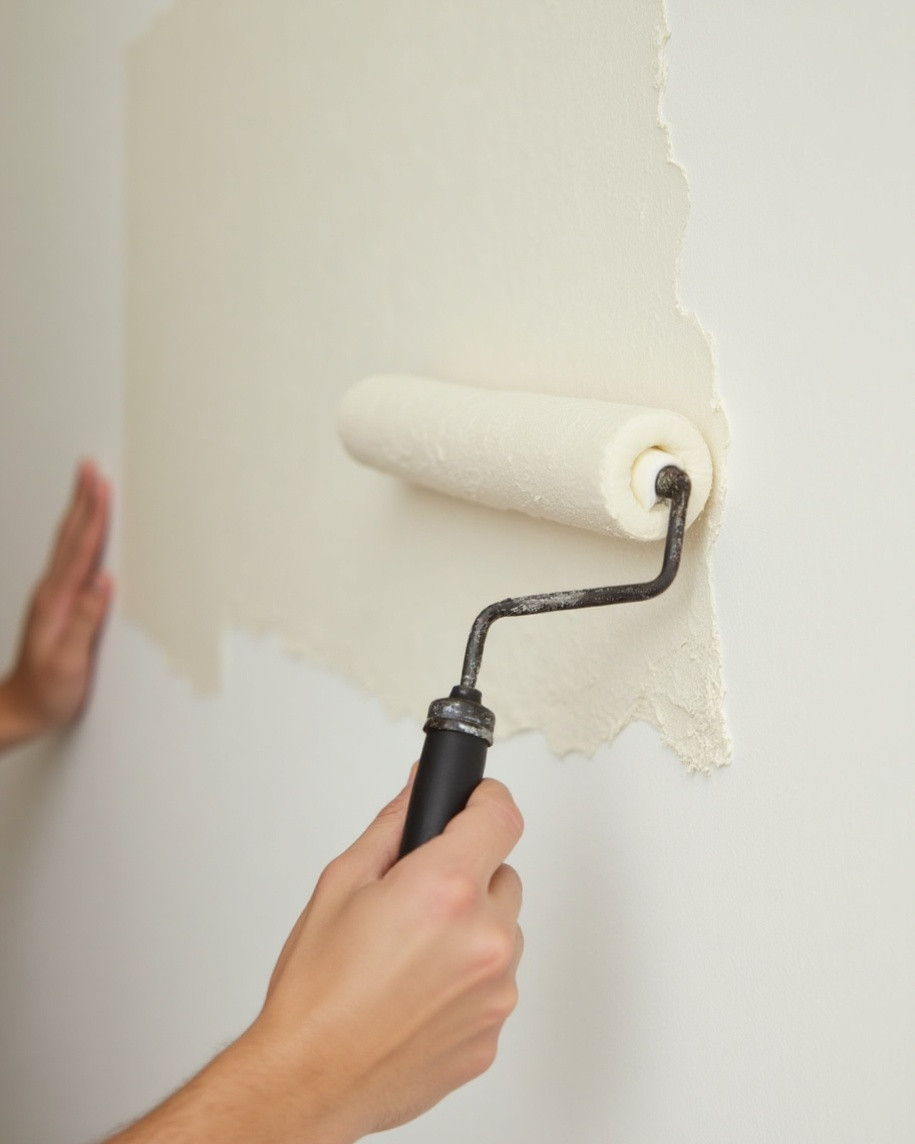
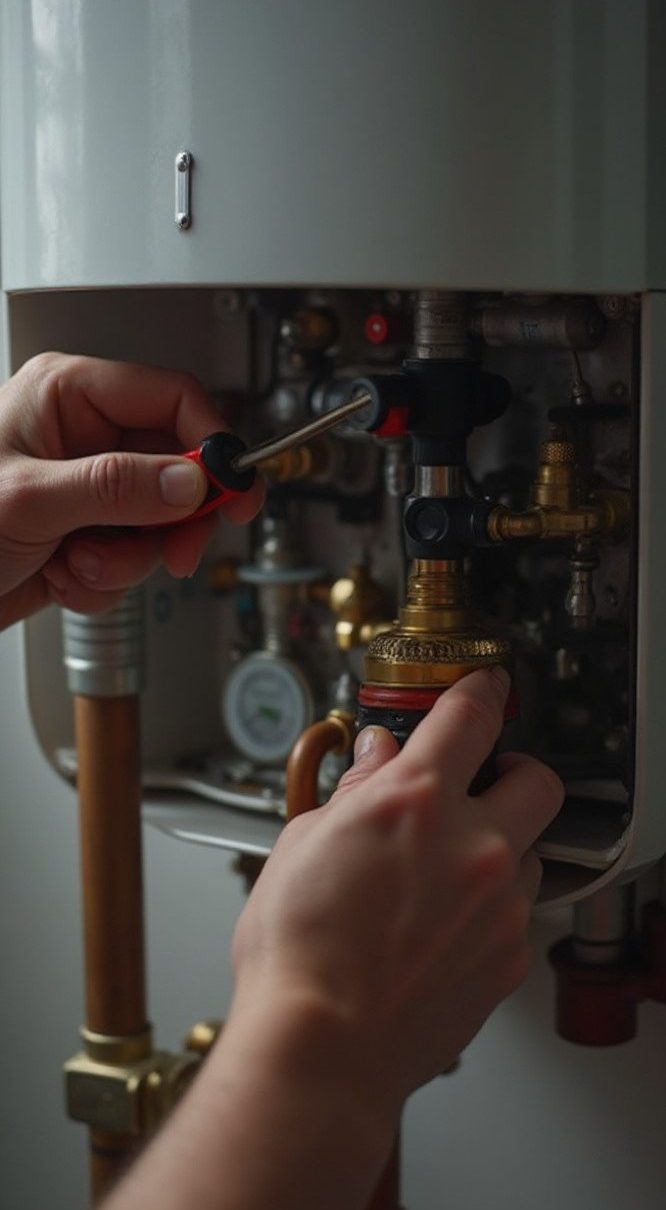
Leyton has a broad mix of housing stock, and the way properties age here is usually gradual rather than sudden. Many homes are Victorian terraces converted into flats, often with later modifications added by different occupants over time. This layering effect means small weaknesses in fittings and structures tend to appear slowly and then accumulate, which is where a structured property maintenance service becomes useful.
In older layouts, natural movement in timber and original structural elements is common. Doors may begin to drag slightly on frames, locks stop aligning smoothly, or hinges loosen after years of repeated use. These issues are rarely urgent at first, but they gradually affect day-to-day function. In many Leyton homes, this type of wear is first noticed during routine home repair work, especially in high-traffic areas like hallways and bedrooms.
Kitchens tend to show combined wear because they are used heavily and contain multiple fixed fittings. Cabinet doors may become uneven, handles loosen, and silicone around sinks or worktops can start to separate after long exposure to moisture and cleaning chemicals. In rental properties, where usage intensity is often higher, these issues build up faster and are commonly addressed during scheduled handyman repairs.
Bathrooms follow a similar pattern, with fittings gradually weakening due to constant humidity. Wall-mounted accessories, shower screens, and taps may become slightly loose over time, while sealant joints can deteriorate where water exposure is frequent. In some Leyton flats, limited ventilation increases this effect, which makes ongoing property repair service attention more important.
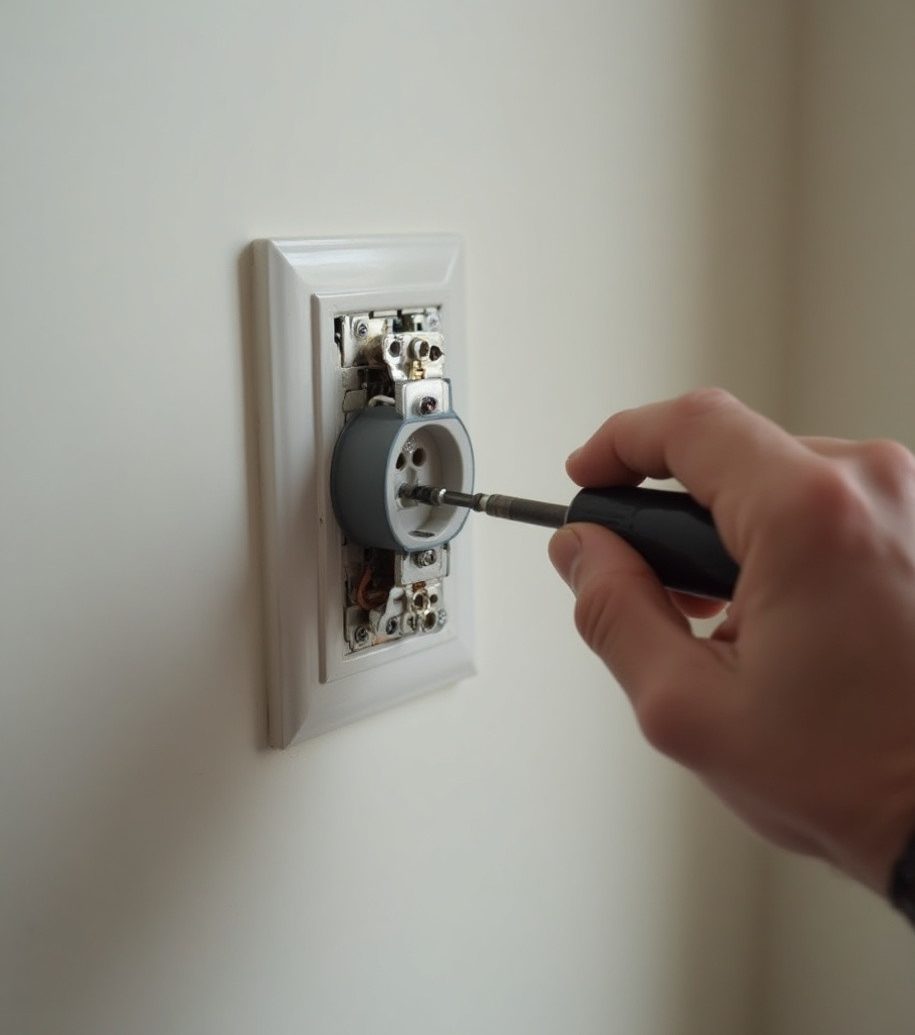
Lighting systems also contribute to maintenance demand. Older fittings, repeated fixture changes, or ageing switches can result in flickering lights or inconsistent operation. These problems are often not caused by a single fault but by gradual wear across components, which becomes more noticeable in long-occupied homes.