In Bromley-by-Bow homes, most functional issues develop slowly through repeated daily use rather than sudden breakdowns. Doors, taps, heating controls, and internal fittings are all exposed to constant handling, temperature changes, and pressure variations. Over time, this creates small shifts in performance that are often easy to ignore at first but become more noticeable once they start affecting comfort or reliability. This is where domestic repair work becomes relevant in maintaining stability across the property.
A common pattern in the area is uneven wear between different parts of the same home. For example, a heavily used kitchen or hallway may show earlier signs of strain, while less frequently accessed rooms remain stable. This imbalance can lead to inconsistent behaviour across systems such as doors not aligning properly or water fittings responding differently depending on usage levels. These changes are usually gradual and linked to long-term stress on fixtures rather than sudden damage.
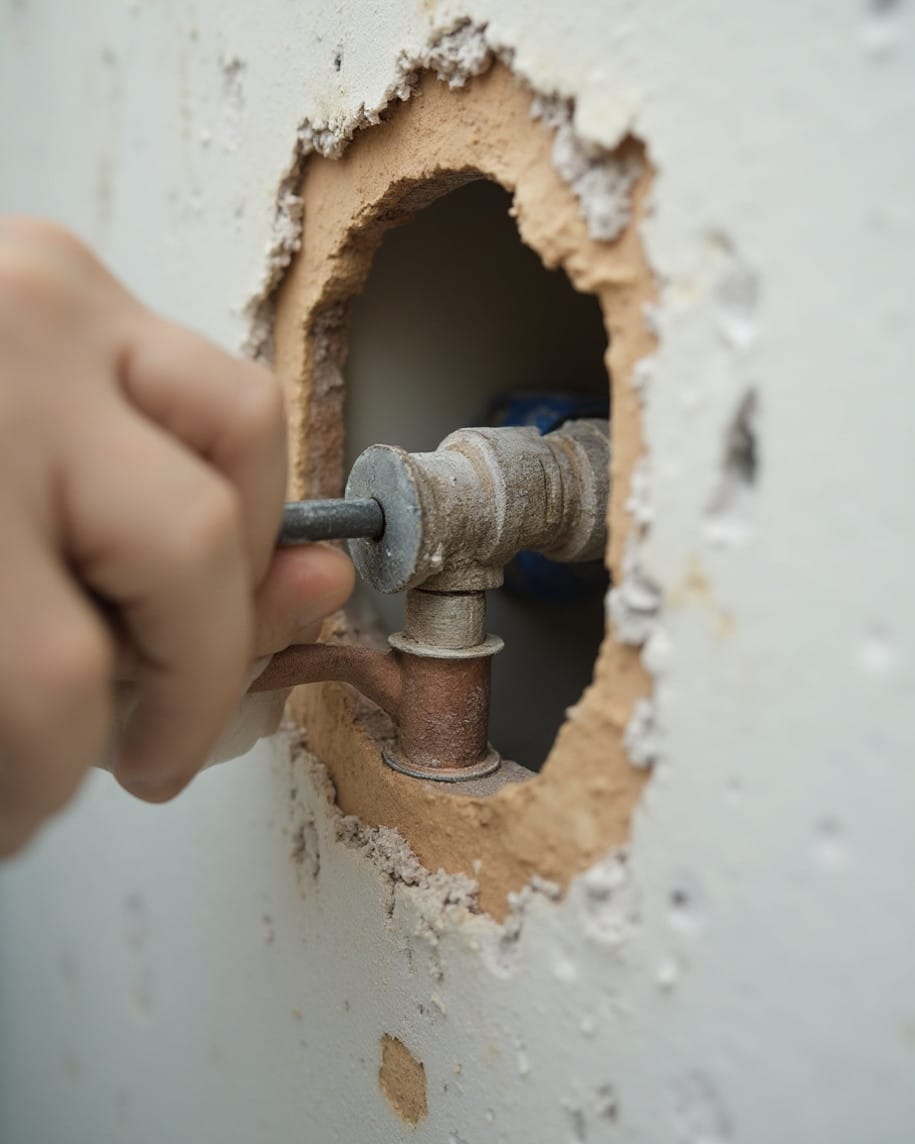
Water systems are particularly sensitive to this type of slow deterioration. Small changes in pressure, slight dripping, or moisture around pipe connections often appear before any visible failure occurs. In many cases, the issue is not located exactly where it becomes visible, because water can travel through hidden paths before surfacing. This makes plumbing system issues harder to detect without proper inspection.
Heating systems also respond to long-term usage patterns. Boilers may begin to take longer to stabilise, or radiators may heat unevenly across different rooms. These symptoms are often caused by circulation imbalance, internal wear, or gradual pressure inconsistency rather than full system breakdown. Seasonal changes can make these issues more noticeable, especially during colder periods when demand increases and the system is under constant load, requiring heating maintenance support.
Security fittings such as locks and door mechanisms are affected in a different way. Repeated use slowly changes alignment and internal movement, especially in shared entrances or frequently accessed doors. Early signs usually appear as stiffness, resistance, or slight misalignment before any clear failure occurs. If addressed early, these issues can often be resolved through adjustment rather than full replacement under lock repair services.