
Turn repeated minor faults into a usable maintenance cycle

Structured Handyman Maintenance for Holloway Homes

Holloway’s mix of flats, terraces, estates and newer schemes creates many homes where repairs pass between residents, landlords and managers. A consistent inventory baseline keeps minor maintenance factual and prevents the same item being reported in several different ways.

  • Room inventories linked to clear repair priorities
  • High-use fittings checked for repeated failure
  • Common replacement parts recorded accurately
  • Changeover time reserved for curing and testing
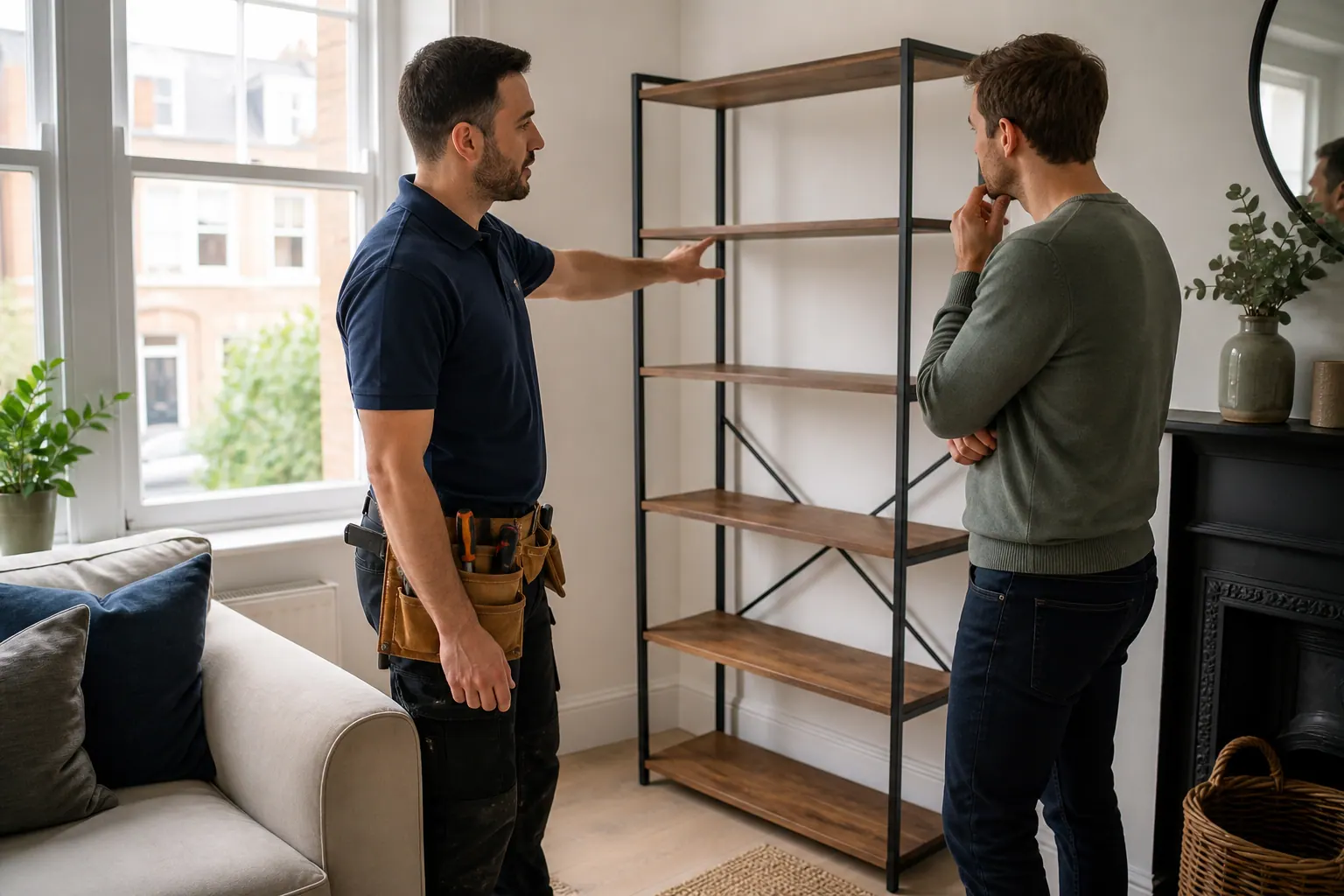
Property inventory checklist beside labelled door and cabinet hardware
Holloway property focus
15+ years of experience
London and M25 coverage
One accountable team

LOCAL PROPERTY CONTEXT

Look for failure at the most-used touchpoints and Create a verified parts schedule for repeat properties

01

Look for failure at the most-used touchpoints

Entrance latches, kitchen hinges, wardrobe rails, bathroom seals and blind chains receive frequent use and often show wear before larger fittings fail. Test the complete movement rather than tightening the first visible screw. A door should latch without being lifted; a drawer should clear its neighbour when loaded; a rail should remain supported across its span. Repeated loosening can indicate damaged substrate or incorrect hardware, not a need for stronger force. Where an item affects security, water containment or safe access, place it above cosmetic tasks. This functional check creates a short preventive list rather than waiting until a resident can no longer use a room normally.
02

Create a verified parts schedule for repeat properties

Landlords with several similar flats may benefit from recording hinge types, handle centres, lamp details and appliance-space dimensions. That does not mean one component fits every property. Confirm markings and measurements before purchasing, because refurbishment history can produce subtle differences. Keep a labelled photograph of the installed part and supplier reference. Avoid storing unverified generic replacements that invite forced fitting. For visible hardware, decide whether one damaged piece can be matched or whether a coordinated set is needed. A modest accurate schedule saves time during future changeovers and prevents the tradesperson discovering that a box of apparently suitable parts differs by a few millimetres.

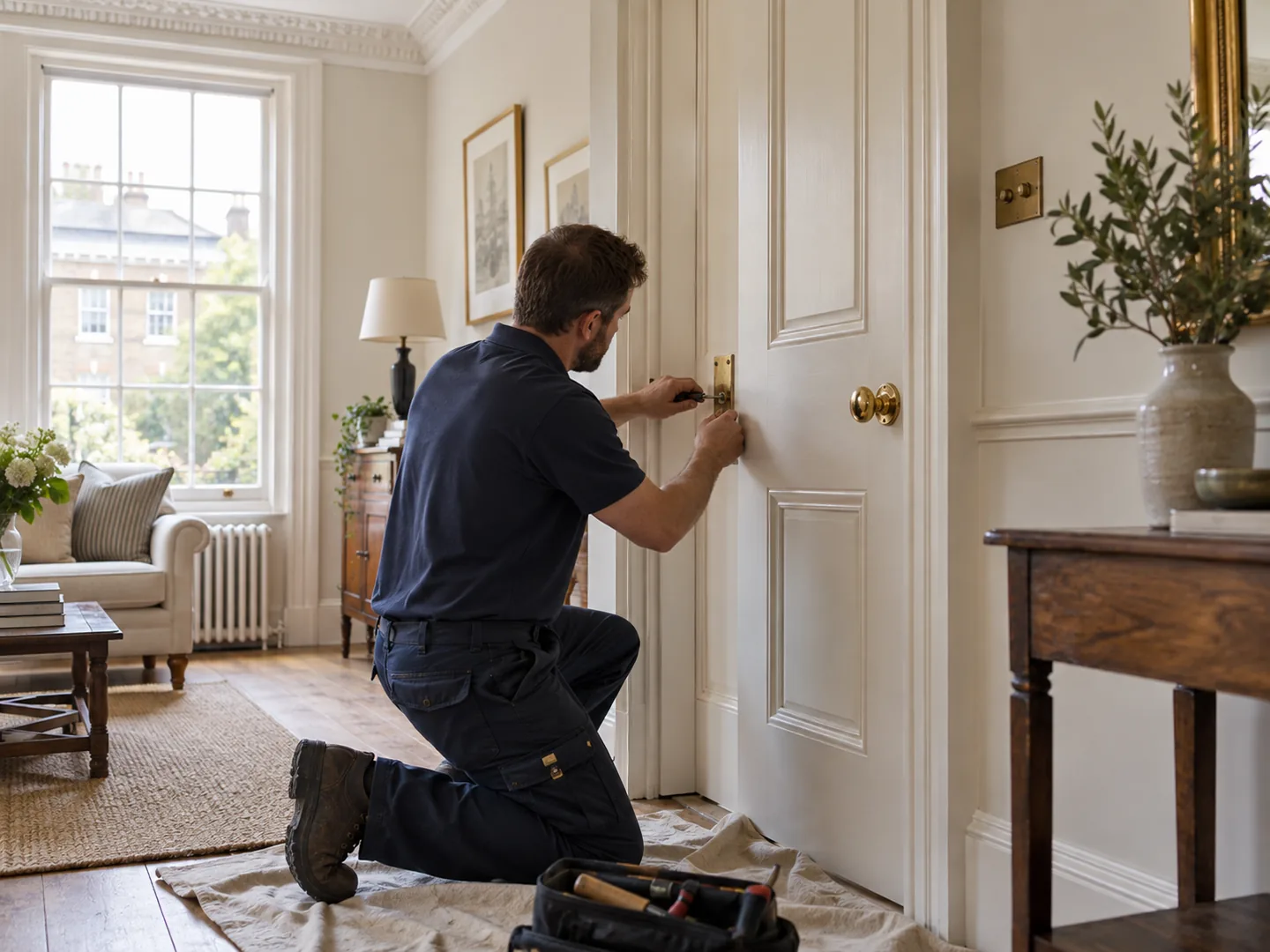
Replacement fittings sorted and photographed for a rental flat

HOLLOWAY PROPERTY NOTES

Start with the inventory description, then verify it

Inventory wording such as ‘loose handle’ or ‘marked wall’ is useful for location but rarely enough to order parts. Match each note to a dated photograph and identify the component, room and normal operation. A handle may be loose because its screws, spindle or supporting door material has failed. A wall mark may be impact damage, moisture or ordinary wear. Record whether the item belongs to the landlord or resident and whether it was already present. This baseline prevents a quotation being built around an imprecise phrase and gives the next inspection a comparable view. It also separates maintenance decisions from any later discussion about responsibility or deposit deductions.

WORK PLANNING

Use the empty-property window for disruptive work and Return evidence with the keys

01

Use the empty-property window for disruptive work

A vacant period is valuable for furniture assembly, drilling, local preparation and tasks requiring a bathroom or bedroom to remain unused. Set priorities before cleaners or new furniture arrive. Dust-making repair should precede final cleaning; decorating follows stable making good; sealant needs its stated cure before water use. Confirm keys, alarms, utilities and who can authorise a variation. An empty flat is not permission to alter communal or protected fabric, and building working hours still apply. Leave enough time to test doors, taps and supplied furniture after work rather than finishing at the moment the next occupant collects keys. A realistic buffer protects the handover date.

02

Return evidence with the keys

Completion photographs should use the same view as the inventory where possible. Note replaced parts, retained spares and product cure times. If a fault could not be completed, state what was observed and why it was left rather than marking the whole room complete. Keys, fobs and alarm information require an agreed chain of custody. Packaging and removed components should be kept or discarded according to the instruction. This small record helps a remote landlord, agent or incoming resident understand the outcome without relying on memory. It is not a compliance certificate or survey; regulated checks and specialist systems remain separate from a handyman maintenance note.

03

Carry useful information into the next cycle

Add confirmed measurements and product references to the property file, then remove superseded notes so the list remains usable. Review items that have failed twice and change the repair method or seek specialist assessment rather than repeating it. Odd jobs suits mixed minor maintenance, while door repair, furniture repair, wall painting and plumbing have dedicated service routes. The prices page provides a charging reference; a current inventory determines what the visit actually needs. A repeatable cycle should make each changeover clearer, not generate growing boilerplate. Keep evidence specific to the flat, its fittings and the work completed during that period.

PRICING

Pricing based on the agreed Holloway job scope

The quotation reflects the task, access, expected time and materials. Photographs and measurements help establish what can be priced before the visit and what first needs inspection.

Handyman labourFrom the published rate
MaterialsAgreed for the job
Additional workApproved before it starts

Parking, congestion and unusual access requirements are discussed where they affect the quotation.

NEARBY COVERAGE

Handyman areas near Holloway

HOLLOWAY HANDYMAN FAQ

Questions about planning handyman work in Holloway

Can an inventory be used as the repair list?

It is a starting point. Each item still needs a current photograph, functional description and decision on priority, ownership and expected outcome.

Should all cupboard hinges be replaced when one fails?

Not automatically. Check the hinge, door and cabinet material, then consider wear across the set and whether a compatible match is available.

When should maintenance happen before a new tenancy?

Allow time before final cleaning and key handover for dusty work, drying, testing and any specialist follow-up revealed during the visit.

Can the agent approve changes during the appointment?

Yes if authority and spending limits are agreed in advance. A named contact should respond promptly to photographs and a revised scope.

What details belong in a parts schedule?

Record measurements, manufacturer or markings, finish, fixing centres, room and a clear photograph of the installed component.

Is a completion note proof of statutory compliance?

No. It records handyman work only. Gas, electrical, fire-safety and other regulated checks require their proper competent processes.

PLAN THE VISIT

Make the Holloway maintenance list usable at the next handover

Send the inventory items, current photographs and changeover deadline. Bob’s can separate functional repairs, finishing work and specialist referrals.

Call 020 3137 9380Get a quote