

A property record that turns defects into decisions

Planned Handyman Maintenance in Islington

Islington properties can combine historic external character with decades of internal subdivision, leasehold responsibility and modern services. Bob’s Handyman uses a simple maintenance register to record the item, the responsible party and the next practical action before suitable work is booked.

  • Every task linked to an owner, leaseholder or manager decision
  • Recurring faults recorded instead of repeatedly patched
  • Original external details checked against local controls
  • Completion notes kept for the next maintenance cycle
Handyman reviewing a numbered repair list inside a London flat
Islington property focus
15+ years of experience
London and M25 coverage
One accountable team

LOCAL PROPERTY CONTEXT

Give every defect an owner and a next action

A useful register has five fields: location, symptom, date noticed, responsibility and next action. ‘Hall door’ is too vague; ‘flat entrance latch needs lifting to engage, leaseholder to confirm fire-door responsibility’ can be acted on. Add a photograph and note any previous attempt. Items controlled by a freeholder or managing agent should be reported through that route before private repair is commissioned. Products bought by the resident need model and dimensions recorded. The register prevents tasks being copied month after month without resolution and provides a reliable brief when a tradesperson, landlord or building manager becomes involved.

Discuss your property requirementsCall 020 3137 9380

DETAILS TO CHECK

A fault inside the flat may belong to the building and Route the register by evidence

01

A fault inside the flat may belong to the building

Ceiling staining can originate above; a cold boxed section may surround a shared pipe; an entrance door can be part of the block’s fire strategy. Before instructing work, compare the lease or management guidance with the physical location. Report common-service symptoms promptly and preserve photographs. Do not cover a mark simply because the internal decoration is the leaseholder’s responsibility. Likewise, a communal stair, railing or external wall should not be altered as part of a private list without authority. Separating ownership from appearance avoids spending on a finish that fails again and protects safety-critical elements from casual adjustment.
02

Route the register by evidence

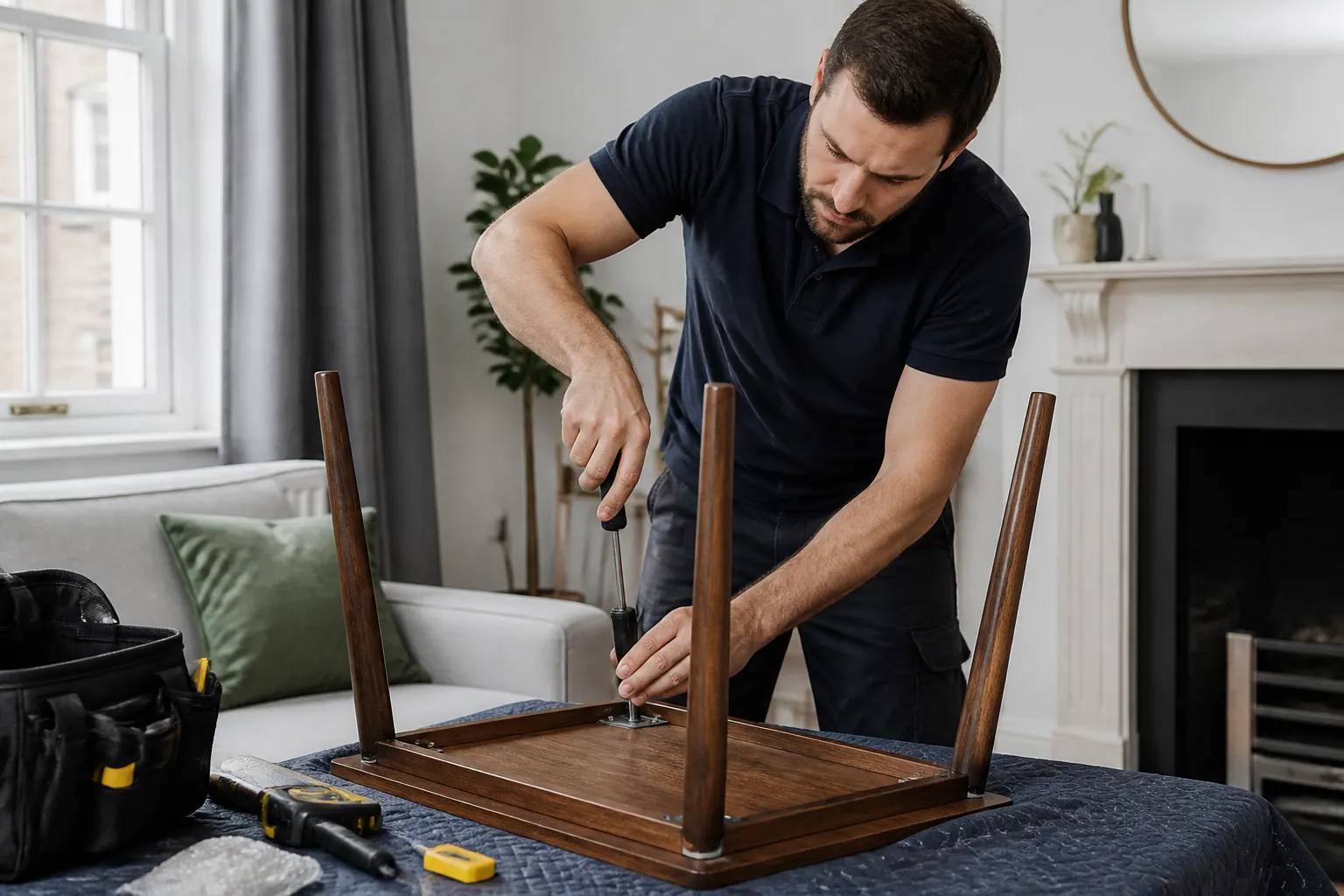
Odd jobs can cover independent minor repairs and fittings with confirmed responsibility. Door repair addresses suitable internal alignment and hardware. Furniture repair or assembly depends on whether an existing item remains serviceable or a new product is complete. Picture, mirror and art hanging suits planned loads and layouts. Leaks fixing or plumbing is the route for a defined accessible water fault, while electricians should assess unsafe accessories or fixed wiring symptoms. A register may produce several bookings rather than one overloaded visit. That is useful: it assigns each defect to a scope capable of resolving it rather than rewarding whoever agrees to look at everything.

03

Close entries during the appointment, not days later

At arrival, compare the register with the physical items and mark any change. Work through the agreed priorities. After each task, test normal operation and record the result: adjusted, component replaced, unable to proceed, or referred. Name any product used and keep instructions or spare pieces. Photograph a concealed condition before it is covered. The customer can then close completed entries immediately and create a new action for anything deferred. This method is especially useful for landlords and property managers who were not present, because it replaces ‘all done’ with a traceable record of what changed and what remains.

Traditional sash window catch and frame being inspected

ISLINGTON PROPERTY NOTES

Record a window problem without turning it into a replacement request

A sash that rattles, a casement that will not close or a damaged internal catch can have different causes and different ownership. Photograph the full opening, frame, hardware and any visible gap. Note whether the problem changes with weather and whether the surrounding surface is cracked or damp. Do not plane, seal shut or replace visible components before status and responsibility are checked. Islington Council specifically highlights planning and consent considerations for windows in listed buildings and conservation areas. A suitable local adjustment may be possible, but wholesale replacement, external appearance and significant historic joinery require a separate, properly approved decision.

PRACTICAL NEXT STEPS

External character needs an address-specific check

Islington’s numerous conservation areas and listed buildings mean the visual streetscape can be protected in ways that differ from one address to another. Article 4 directions may also restrict minor external changes. Check before replacing an external door, painting brickwork, changing a visible window detail or fixing equipment to an elevation. Locally listed buildings do not use the same consent regime as statutory listing, but the council still expects their character and materials to be considered. Bob’s should receive the approved practical scope, not be asked to decide planning status at the doorstep. Inside, the same restraint helps preserve sound older material and avoid irreversible trial work.

Discuss your property requirementsCall 020 3137 9380

PRICING

Pricing based on the agreed Islington job scope

The quotation reflects the task, access, expected time and materials. Photographs and measurements help establish what can be priced before the visit and what first needs inspection.

Handyman labourFrom the published rate
MaterialsAgreed for the job
Additional workApproved before it starts

Parking, congestion and unusual access requirements are discussed where they affect the quotation.

NEARBY COVERAGE

Handyman areas near Islington

Angel

See the dedicated property-maintenance page for Angel.

View Angel →

ISLINGTON HANDYMAN FAQ

Questions about planning handyman work in Islington

What belongs in an Islington property maintenance register?

Record the exact item, symptom, date, photo, responsible party and next action. Include previous repairs and product information where known.

Can you adjust a listed-building window?

Possibly, but status, consent, ownership and the significance of the joinery must be checked first. Significant historic repair may require a specialist.

Who deals with damage caused by a shared pipe?

Notify the freeholder or manager responsible for the source. Internal making-good should wait until the leak is resolved and responsibilities are confirmed.

Can several register items be grouped into one visit?

Compatible handyman tasks can be grouped. Plumbing, electrical, gas, structural or controlled communal work should be routed separately.

How is a remote landlord shown what was completed?

Use item numbers, short outcome notes, product details and agreed photographs. Record any deferred task with the reason and next action.

Do locally listed buildings need listed-building consent?

Not solely because they are locally listed, but normal planning controls and their recognised character still matter. Check the proposed external alteration with the council.

PLAN THE VISIT

Turn the Islington list into a maintenance record

Send numbered tasks with responsibility and evidence. Bob’s can scope the suitable handyman entries and leave clear outcomes for the property file.

Call 020 3137 9380Get a quote