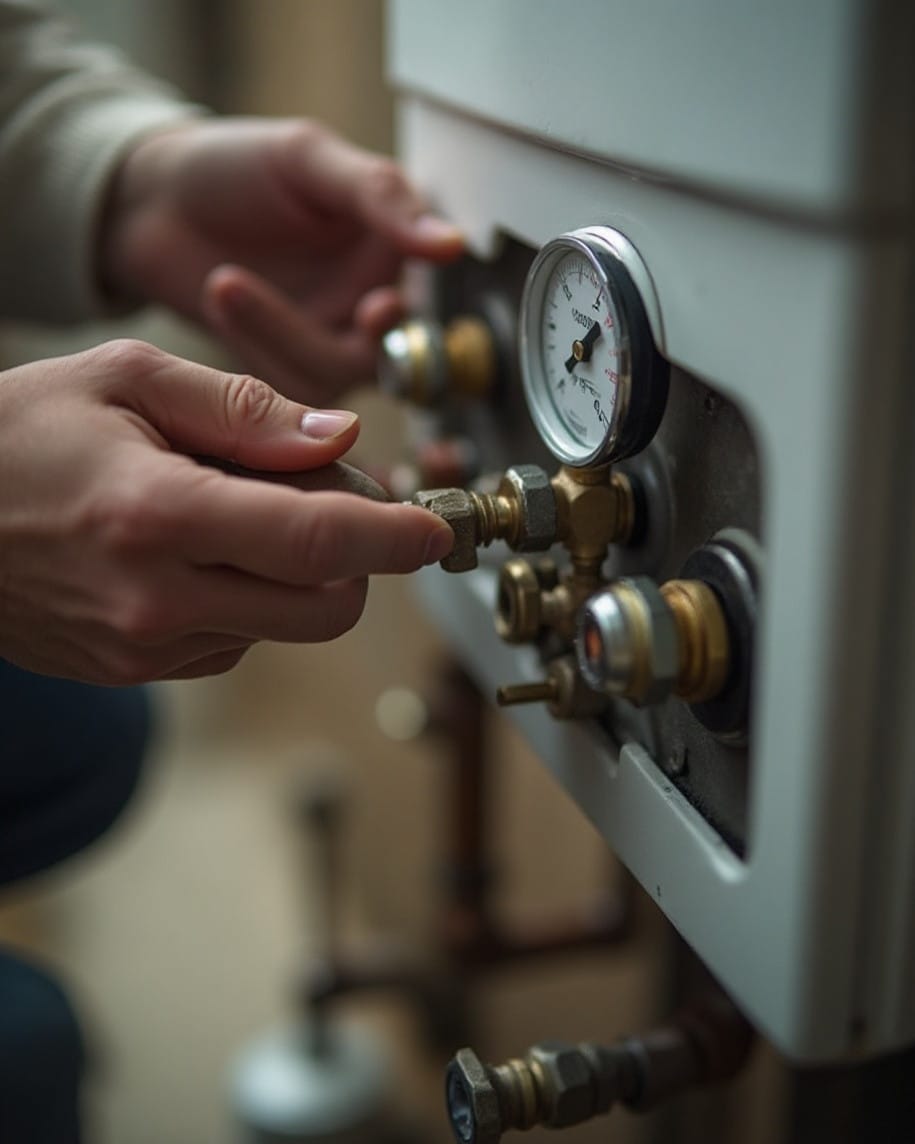
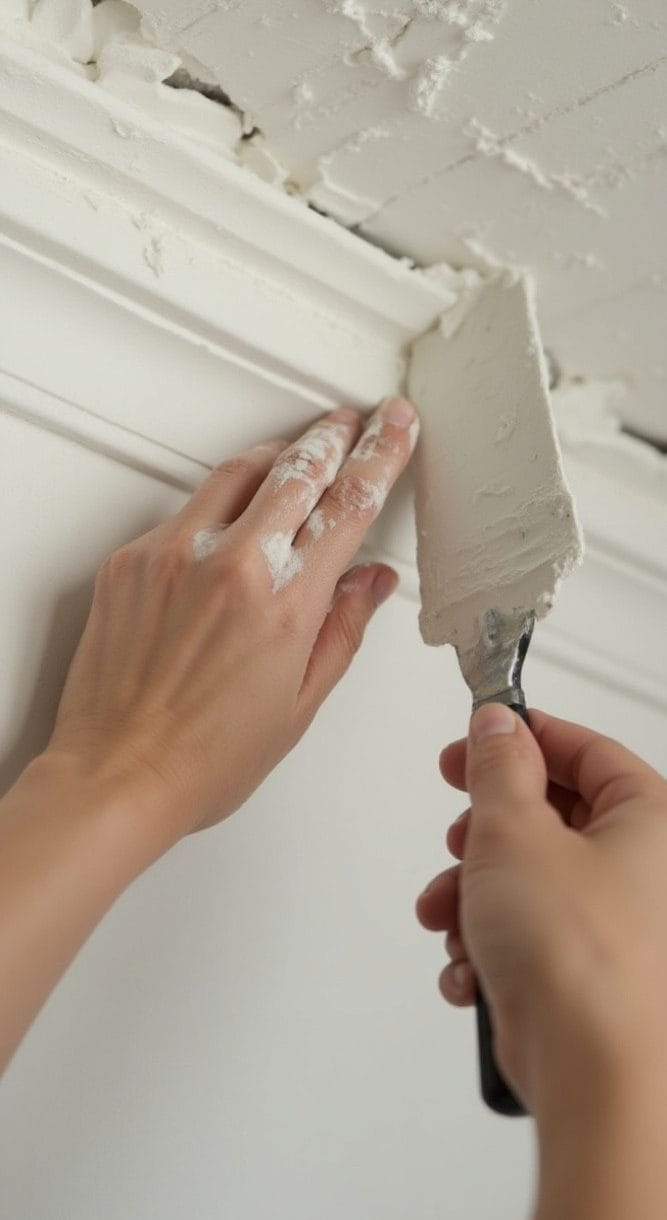
Every property has its own layout, materials, and level of wear, which means repairs need to be approached carefully from the start. In many homes around Highbury, what seems like a minor issue can often be linked to something slightly deeper. This is why beginning with a clear initial repair assessment is important before any work is carried out.
A loose fitting, for example, might not just be a simple tightening job. It could be caused by worn material behind the surface or repeated strain over time. Identifying the actual cause allows the repair to last, rather than becoming a temporary fix. This is what defines a reliable root-cause repair approach.
Once the issue is understood, tasks are organised in a way that keeps the work efficient. Instead of moving between unrelated jobs, similar tasks are grouped together based on tools and materials. This reduces unnecessary setup and supports a smoother planned repair workflow.
Preparation is also a key part of the process. Surfaces are checked, fixings are selected carefully, and the right method is chosen depending on the structure being worked on. Whether dealing with solid walls or lighter materials, this step ensures a stable long-lasting repair method.
Working inside a lived-in property also requires awareness of the environment. Movement is controlled, tools are kept organised, and care is taken to avoid unnecessary disruption. This helps maintain a practical in-home service approach while the work is being completed.
Another important factor is sequencing. Some repairs may depend on others being completed first, especially when multiple tasks are involved. Planning this properly ensures everything fits together smoothly, contributing to a reliable multi-step repair process.
By the end of the work, the goal is for everything to feel natural and functional again. Nothing should stand out as recently fixed—it should simply work as expected, which is the outcome of a consistent property repair standard.