
A better record leads to a better repair

Diagnose and Repair Everyday Faults in Camden Town

Repeated faults leave evidence: a door changes with the weather, a bracket loosens under a particular load, or a mark returns after rain. Camden Town appointments are planned around that history so the repair addresses more than the latest symptom.

  • Fault history captured before parts are removed
  • Tests based on normal use, not appearance alone
  • Repair choices recorded for landlords and occupants
  • Unsafe patterns routed to the correct specialist
Handyman checking a repair list outside a London terraced property
Camden Town property focus
15+ years of experience
London and M25 coverage
One accountable team

PROPERTY DECISIONS

Begin with a fault diary, even if it is brief and Agree how the repaired item will be tested

01

Begin with a fault diary, even if it is brief

A useful report says when the problem started, how often it appears and what changes it. Note whether a door binds after rain, a fitting loosens only when fully loaded, a stain darkens after using a nearby appliance, or a drawer fails at one point in its travel. Include previous repairs and any parts already replaced. This evidence prevents the visit starting with a blank surface after the customer has cleaned, tightened or covered the symptom. Camden Council’s appraisal recognises distinct commercial and residential sub-areas, but the same diagnostic habit helps in both: understand normal use and the sequence of failure before choosing a tool or material.

02

Agree how the repaired item will be tested

A repair should be judged against the action that previously exposed the fault. A cupboard hinge needs the door opened through its full range with the usual contents in place. A shelf needs its intended load defined; ‘a few things’ is not a technical description. A latch should engage without lifting or forcing the door. For suitable accessible plumbing work, joints are observed when water runs, not merely when dry. Write the test into the scope so the customer and operative share the same finish line. Cosmetic appearance still matters, but a neat cover over a component that fails under normal use is not completion. Valuable, unusually heavy or safety-critical items may require a specialist testing or fixing method.

03

Patterns that should change the repair decision

One failed component can be local; several changing together can point beyond it. Multiple slow wastes, several lights affected at once, cracks that continue across junctions or doors changing on the same elevation deserve a wider view. General handyman work must not become amateur diagnosis of structural, electrical or shared drainage systems. Stop using unsafe equipment and report water near electricity promptly. The useful role of the initial evidence is to decide whether local adjustment remains credible. If not, Bob’s can route the enquiry to plumbing, electrical, carpentry or another relevant service. That decision is more valuable than completing a visible patch that delays proper investigation.

SCOPE AND ACCESS

Preserve evidence while preparing the appointment

Avoid removing the very information needed to assess the fault. Photograph a water mark before wiping it, retain the pulled-out anchor with the bracket, and leave a binding door in its normal position. If an urgent temporary action was necessary, record it. Add dates where the pattern changes. For rental property, inventory photographs can establish that a fitting moved over time, although responsibility remains a separate contractual question. Camden’s conservation guidance also means original or visible fabric should not be casually stripped while investigating. Once the evidence is captured, clear a safe work zone and identify who can approve an expanded scope. This sequence balances diagnosis with a practical, uncluttered appointment.

Discuss your property requirementsCall 020 3137 9380
Shelf bracket and wall substrate being inspected before refixing

CAMDEN TOWN PROPERTY NOTES

Read previous work without repeating it

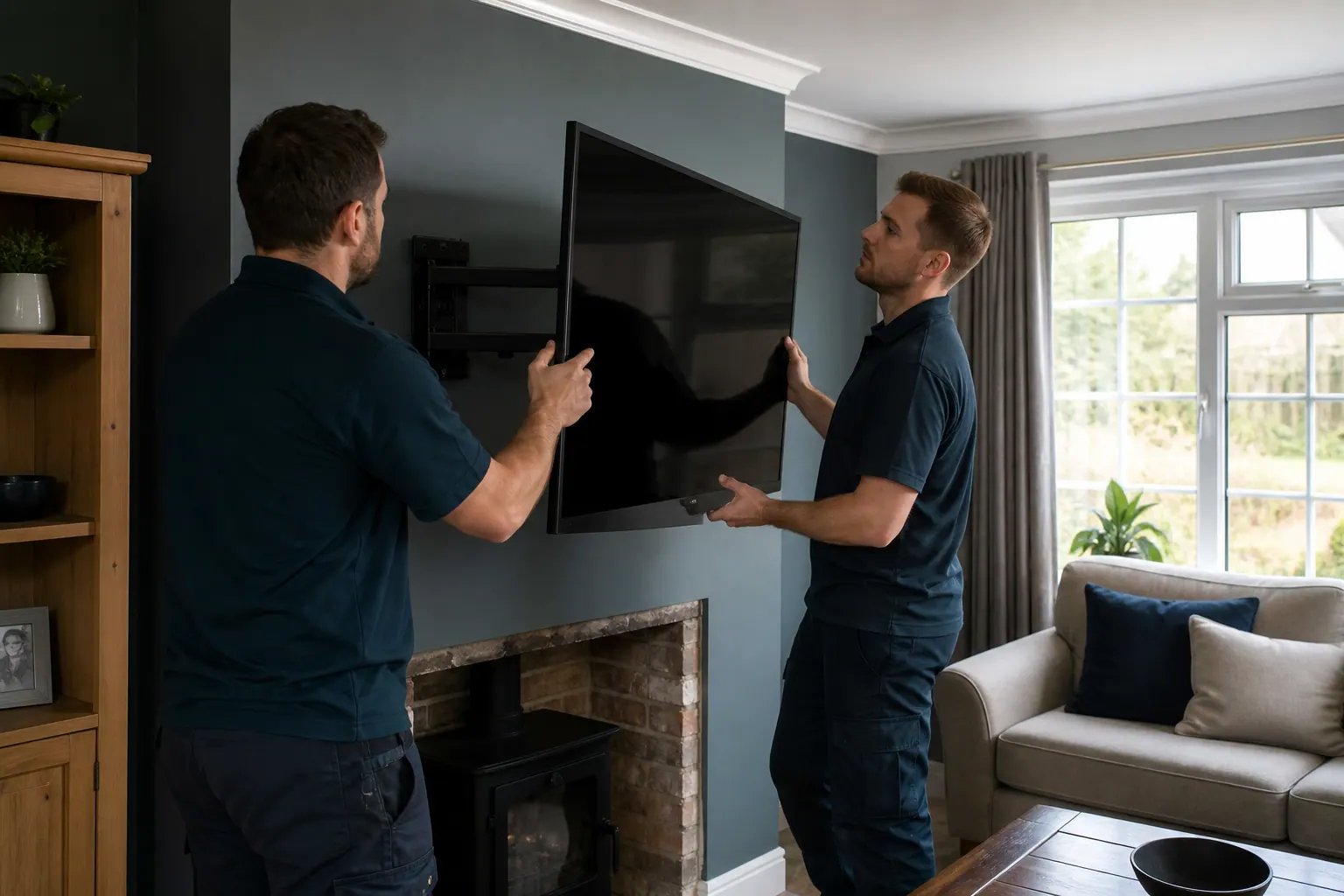
Converted properties can contain several generations of alteration in one room. A patch beside a fixing may hide an earlier anchor; a packed hinge may show that a door was aligned before; boxed sections can conceal later service routes. The task is not to assume that the newest layer is correct. Photograph old holes, cracks and packers before they are removed. A television or cabinet position should be reviewed against what the wall can support, not placed automatically over the previous one. If evidence suggests crumbling plaster, moisture or movement, local making good may be only the final stage after another cause is addressed. The image alongside this section should help customers recognise why repair history is technically useful, not untidy information to erase.

FINISHING AND HANDOVER

Price the diagnosed task, not the visible symptom and Build a repair record another person can use

01

Price the diagnosed task, not the visible symptom

A clear history and useful photographs make it easier to select a visit length and avoid repeating an earlier failed repair.

02

Build a repair record another person can use

A concise record should tell a landlord, resident or later contractor what changed. It might identify a replaced hinge, the location of a new sound fixing, a sealant product and curing time, or a door adjustment made without removing timber. It should also state limits: no concealed service was opened, a damp source was not established, or a temporary component remains pending replacement. Photograph the result in the same orientation as the original fault where practical. If the issue returns, this before-and-after information narrows the next decision. It also discourages repeated cosmetic work by making the previous method visible rather than allowing each appointment to start from guesswork.

PRICING

Pricing based on the agreed Camden Town job scope

The quotation reflects the task, access, expected time and materials. Photographs and measurements help establish what can be priced before the visit and what first needs inspection.

Handyman labourFrom the published rate
MaterialsAgreed for the job
Additional workApproved before it starts

Parking, congestion and unusual access requirements are discussed where they affect the quotation.

NEARBY COVERAGE

Handyman areas near Camden Town

Soho

See the dedicated property-maintenance page for Soho.

View Soho →

CAMDEN TOWN HANDYMAN FAQ

Questions about planning handyman work in Camden Town

Should I tighten a loose fitting before taking photographs?

If it is unsafe, stop using the area, but photograph the original position where this can be done without risk.

Why keep a failed screw or bracket?

Its size, condition and failure pattern can help show whether the part, fixing or supporting material was unsuitable.

Can you investigate a mark that appears only after rain?

The pattern can be assessed, but roofing, façades or concealed leaks may require a specialist once likely sources are identified.

What does a useful door-fault video show?

Show the full swing, hinge side, latch engagement and any point where the gap changes, without forcing the door.

Can a landlord receive a written repair record?

A concise record or agreed photographs can document suitable completed work and recommendations for follow-on action.

When should repeated wall cracking go beyond handyman work?

Escalate cracks that widen, recur quickly, show moisture, cross structural junctions or coincide with other movement.

PLAN THE VISIT

Describe the Camden Town outcome, not just the symptom

Add photographs, access notes and the way the repaired item must function. We can then plan a focused visit or direct the issue to the right service.

Call 020 3137 9380Get a quote