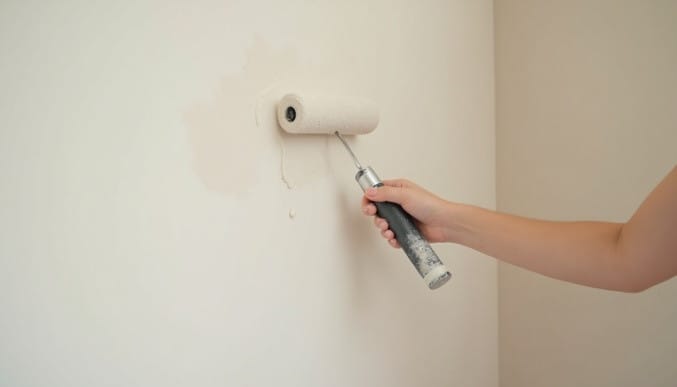
Peeling Paint
- Damp is the top cause of peeling paint and damp walls.
- Poor surface prep stops paint bonding properly.
- Wrong paint type leads to early peeling.
- Location is a clue — skirting boards and windows often mean damp.
- Never paint over peeling paint without fixing the cause first.
- Prevention beats repair — ventilation and maintenance go a long way.
Peeling paint is one of the most common decorating problems in London homes, and it’s almost always a sign of something specific going on beneath the surface — whether that’s damp, poor prep, or simply paint reaching the end of its life. Here’s a quick-glance summary before you dive into the detail.
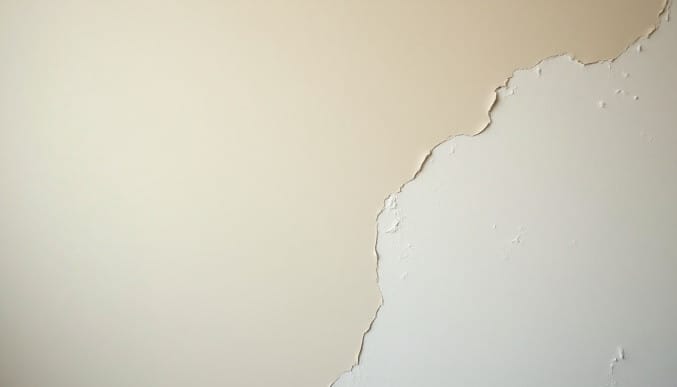
If you’ve noticed paint lifting, cracking, or curling away from a wall or ceiling in your home, you’re probably wondering what’s gone wrong — and whether it’s a quick touch-up job or something more serious. Understanding what causes peeling paint is the first step to fixing it properly and stopping it coming back. In this guide, we’ll walk through the most common culprits, explain how to fix peeling paint step by step, and show you when peeling paint could be a sign of a damp problem that needs sorting before you pick up a brush.
Peeling paint is one of the most common issues we’re called out to inspect in homes across London, and it affects everything from Victorian terraces with solid brick walls to modern flats with plasterboard partitions. The age of the property, the type of construction, and how well it’s ventilated all play a part, which is why two houses on the same street can have very different experiences with peeling paint. Whatever the cause, the good news is that it’s almost always fixable — the key is working out why it’s happening before you reach for a paintbrush, rather than after.
The Most Common Causes of Peeling Paint
Peeling paint rarely happens for just one reason, but a handful of causes account for the vast majority of cases we see across London homes.
Moisture and damp are by far the biggest culprits. Paint needs a dry, stable surface to bond to, and when moisture gets trapped behind it, the bond breaks down and the paint lifts away. This is especially common in older properties without a damp-proof course, or in rooms where steam and condensation build up regularly.
Poor surface preparation is the other major cause. Paint applied over dust, grease, flaking old paint, or an unprimed surface simply doesn’t adhere properly, no matter how good the paint itself is. Rushed jobs, whether DIY or done by an inexperienced contractor, are the most frequent source of this problem.
Using the wrong type of paint for the surface or environment can also cause problems. For example, using a standard emulsion in a steamy bathroom, or painting over a glossy surface without sanding or using the right primer, will often lead to early peeling. Similarly, using an interior paint outdoors, or vice versa, sets the paint up to fail because the two are formulated very differently.
Temperature and humidity changes play a role too. Painting in conditions that are too hot, too cold, or too humid affects how the paint cures, and rapid expansion and contraction of surfaces — particularly wood and metal — can cause paint to crack and lift over time. Direct sunlight on exterior walls during application is a particularly common mistake, as it causes the paint to dry too quickly on the surface while remaining wet underneath.
Age and natural wear shouldn’t be overlooked either. Paint has a limited lifespan, and exterior paintwork in particular is constantly exposed to sun, rain, and temperature swings, so some degree of peeling after several years is simply to be expected. Most quality exterior paints are rated to last somewhere between five and ten years, depending on the surface and exposure, after which natural breakdown becomes more likely.
Chemical incompatibility between coats is a less obvious but still common cause. Applying a water-based emulsion directly over an old oil-based gloss without the right preparation, or mixing incompatible primers and topcoats, can prevent proper bonding between layers, leading to peeling soon after the job is finished.
When Peeling Paint Means You Have Damp
One of the most important things to understand about peeling paint is that it’s often a symptom, not the problem itself. Peeling paint and damp walls go hand in hand far more often than people realise, and treating the paint without addressing the underlying moisture means the issue will simply return.
There are a few signs that point towards damp rather than a simple paint failure. If the peeling is concentrated near skirting boards, around windows, or on external walls, moisture is a likely cause. A musty smell, visible mould, or a soft, slightly spongy feel to the plaster behind the paint are all strong indicators too. Peeling that’s accompanied by yellow or brown staining often suggests water is getting in from somewhere, whether that’s a leak, condensation, or rising damp. Bubbling or blistering paint, rather than simple flaking, is another telltale sign that moisture is trapped underneath rather than the issue being purely cosmetic. If the trim is swollen or soft as well, see when to repair or replace a water-damaged skirting board.
It’s worth identifying which type of damp you’re dealing with, since each has a different fix. Condensation is the most common in UK homes, particularly in bathrooms and kitchens with poor ventilation, and tends to show up as peeling concentrated around cold spots, such as external corners or behind furniture pushed against outside walls. Penetrating damp usually comes from a defect outside, such as a cracked render, faulty guttering, damaged pointing, or a missing roof tile, allowing rain to soak through the wall — this often gets worse after periods of heavy rain. Rising damp, while less common than people assume, occurs when groundwater travels up through a wall due to a failed or missing damp-proof course, and typically affects the lower section of a wall up to around a metre high.
Poor Surface Preparation – The Other Big Cause
Even on a perfectly dry wall, paint will peel if the surface underneath wasn’t prepared properly. This is an incredibly common issue, particularly with DIY jobs or quick repaints done without much prep work.
Painting over dust, dirt, or grease prevents proper adhesion from the start. Skipping a primer on bare plaster, wood, or metal means the paint has nothing stable to grip onto. Applying a fresh coat over old, flaking paint without first removing the loose material just gives the new paint a weak foundation to fail on. And painting too soon after plastering, before the wall has properly dried out, traps moisture beneath the surface and almost guarantees peeling later on — fresh plaster typically needs several weeks to dry fully, depending on thickness and ventilation, so patience really does pay off here.
Surfaces that have been painted many times over the years are also worth a closer look. Multiple layers of paint, especially older ones containing oil-based products, can become brittle over time and lose their flexibility, meaning the whole stack is more prone to cracking and lifting even if the newest coat was applied correctly. In these cases, a more thorough strip-back is often the only lasting solution rather than simply adding yet another layer on top.
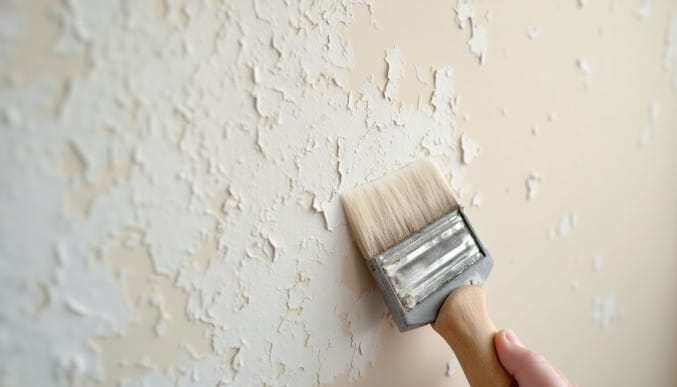
Interior vs Exterior Peeling Paint: What’s Different
While the underlying causes overlap, peeling paint indoors and outdoors tends to behave a little differently, and it’s worth knowing which you’re dealing with.
Indoors, peeling is most often linked to condensation, poor ventilation, or surface preparation issues, and tends to be concentrated in bathrooms, kitchens, and on ceilings above showers or baths. It can also crop up on newly plastered walls that were painted too soon, or in rooms that have recently had a leak, even a small one, repaired.
Outdoors, peeling is more commonly driven by weather exposure, penetrating damp, and the natural ageing of exterior paint systems. South and west-facing walls in London tend to take the brunt of sun exposure, while north-facing walls and areas under overhanging trees often stay damp for longer, making them more prone to paint failure. Exterior woodwork, such as window frames, fascias, and doors, is also particularly vulnerable, since it expands and contracts with temperature changes far more than masonry does.
How to Fix Peeling Paint Step by Step
Once you’ve worked out the likely cause, fixing peeling paint properly involves a bit more than simply painting over the problem area.
- Identify and address the root cause first. If damp is involved, this needs resolving — whether that’s improving ventilation, fixing a leak, or repairing external defects — before any repainting takes place. There’s little point investing time and money in a repaint if the same problem is going to resurface within a few months.
- Scrape away all loose and flaking paint. Use a paint scraper or stiff brush to remove anything that isn’t firmly attached, working back to a sound edge. Be thorough here — leaving small flakes at the margins of the repair area is one of the most common reasons a touch-up fails early.
- Sand the area smooth. This evens out the transition between the old paint and the bare surface and helps the new paint key in properly. A medium-grit sandpaper is usually sufficient for most domestic surfaces, finishing with a finer grit for a smoother result.
- Clean the surface thoroughly. Remove dust and any grease or residue with a suitable cleaner, such as sugar soap, then allow the area to dry completely before moving on. Skipping this step undermines all the prep work done so far.
- Fill any cracks or gaps with a suitable filler, then sand smooth once dry. For larger areas of damage, particularly where damp has caused the plaster to crumble, you may need to make good with new plaster rather than filler alone.
- Apply a quality primer, particularly important on bare plaster, wood, or areas that have previously suffered from damp. A stain-blocking primer is worth using on any areas with visible watermarks, as it prevents the staining from bleeding through the new paint.
- Apply two coats of the appropriate paint, allowing proper drying time between coats, and choose a moisture-resistant formula for kitchens, bathrooms, and other damp-prone areas. Following the manufacturer’s recommended drying and recoat times is important — rushing this stage is a common reason for early failure.
In terms of tools, a basic kit for this job includes a paint scraper, sandpaper or a sanding block, a stiff-bristled brush, dust sheets, a quality filler, sugar soap or an equivalent cleaner, a primer suited to the surface, and your chosen topcoat. For larger areas, an extending pole and a wider brush or roller will make the job considerably quicker.
How to Stop It Happening Again
Prevention comes down to addressing causes rather than just symptoms. Improve ventilation in bathrooms and kitchens, using extractor fans where possible, to keep condensation under control, and try to open windows briefly after showering or cooking to let moisture escape rather than settle on cold walls. Keep gutters, downpipes, and render in good repair to prevent penetrating damp from taking hold, and check these areas at least once a year, ideally before winter. Always allow new plaster to dry fully before painting, and always prepare surfaces properly rather than rushing straight to the paint tin. Choosing paint suited to the room and surface, and using a primer where appropriate, will also significantly extend the life of your paintwork.
It’s also worth keeping an eye on early warning signs rather than waiting for full peeling to develop. Small bubbles, hairline cracks, or a slightly dull or chalky patch of paint can all indicate an early-stage problem, and dealing with these promptly is far easier and cheaper than fixing a wall that’s already lost large sections of paint.
DIY or Call a Professional?
Small, isolated patches of peeling paint with a clear, simple cause — such as a windowsill that’s seen a bit of condensation, or a small area where old paint has flaked off — are often manageable as a DIY job for anyone reasonably comfortable with basic decorating tasks.
However, there are situations where it’s worth bringing in a professional. Widespread peeling across multiple walls or rooms often points to a structural or damp issue that needs proper diagnosis rather than guesswork. Peeling on ceilings or in hard-to-reach areas can be tricky and, in some cases, unsafe to tackle without the right equipment. And if you’ve already tried a repaint and the same area has peeled again, that’s usually a sign the underlying cause hasn’t been properly resolved and needs a more experienced eye.