Small Flat Problems
Across London, flats are in constant use—whether in older Victorian conversions or modern apartment blocks. With continuous occupancy, changing weather, and everyday wear, small maintenance issues naturally appear over time.
From minor leaks to surface cracks and moisture build-up, these problems are part of normal property ageing. The key is not avoiding them completely, but identifying them early and handling them properly before they develop into more serious damage.
Below are the most common issues seen in London flats and how they typically develop in real homes across the city.
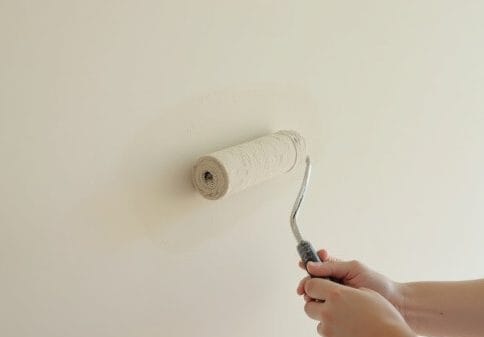
Living in a London flat often means accepting one simple truth: buildings are always changing.
From converted Victorian terraces to modern apartment blocks, properties across the city are constantly under pressure from age, weather, and daily use. Even a well-kept home will eventually show signs of wear—sometimes in very small ways at first.
A faint crack above a window frame, a door that suddenly doesn’t close smoothly, or a bathroom seal that starts to darken are all early indicators of natural movement in a building. In busy households or rented accommodation, these changes often go unnoticed until they become more visible.
This is especially common in high-density areas where properties are lived in continuously, with little downtime between occupants. Over time, small issues accumulate and require consistent attention to keep homes safe, comfortable, and functional.
The Everyday Wear Patterns Found Across London Homes
Most residential maintenance tasks in the capital follow predictable patterns. While each property is different, the underlying causes are often similar: age, humidity, usage, and structural movement.
Plumbing that slowly loses efficiency
Minor plumbing faults rarely start dramatically. A tap may begin to drip slightly, or water pressure might reduce in one area of the home.
These issues are often caused by worn washers, ageing pipe joints, or sediment build-up in older systems. In many London flats, especially converted buildings, plumbing systems are shared or partially exposed to building-wide pressure changes.
If left unchecked, small leaks can gradually affect cabinets, flooring, and even neighbouring units in apartment blocks.
Subtle wall movement and surface damage
Cracks in plaster or paintwork are among the most common visual issues in flats. While they are often harmless, they can signal natural movement within the structure or previous repair work that has weakened over time.
In period conversions, this is particularly noticeable due to the way older buildings expand and contract with temperature changes.
Surface damage is usually cosmetic at first but can worsen if moisture enters the wall or if repairs are repeatedly delayed.
Moisture build-up and indoor air challenges
Condensation remains one of the most persistent problems in London housing. Tight insulation, limited airflow, and colder seasons all contribute to moisture collecting on windows, ceilings, and corners of rooms.
When ventilation is not sufficient, this moisture turns into mould patches, particularly in bathrooms and bedrooms.
Once mould spreads, it becomes more difficult to treat and often requires both cleaning and addressing the underlying ventilation issue.
Doors, flooring, and constant daily friction
Internal doors in flats are affected by small environmental changes. Seasonal humidity can cause them to expand slightly, leading to sticking or scraping.
Flooring also reacts to constant movement, especially in high-traffic homes. Laminate or wooden floors may start to lift at edges, while carpets show wear patterns in hallways and living areas.
These issues are rarely urgent but significantly impact the feel of a home when left untreated.
Kitchens and bathrooms under constant pressure
These two areas experience the highest level of daily use in any flat. Over time, sealants weaken, cabinet hinges loosen, and fittings begin to shift.
Small issues in these spaces often act as early warnings. A slightly loose tap or a cracked tile edge can indicate deeper moisture or installation stress.
Routine upkeep in these areas prevents more extensive repair work later on.
Why Delayed Repairs Become Bigger Problems in London Flats
One of the most important aspects of property upkeep is timing.
A small issue rarely stays contained. Moisture spreads behind surfaces, cracks widen with movement, and loose fittings gradually damage surrounding materials.
In rental properties, delays can also affect tenant satisfaction and lead to avoidable disputes. In some cases, repeated neglect may even lead to compliance concerns if the property condition deteriorates significantly.
This is why structured London property maintenance routines are becoming more common across rental housing in the city.
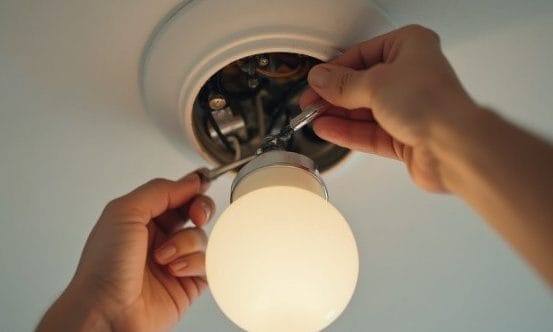
How Preventative Maintenance Actually Works in Practice
Preventative care does not require major effort—it relies on consistency and awareness.
Seasonal property checks
Winter is the most important period for identifying moisture-related issues. Condensation increases, heating systems are used more frequently, and windows are often sealed tightly.
In contrast, warmer months are ideal for checking ventilation and addressing any minor structural cracks before colder weather returns.
Between tenancy preparation
For landlords, the transition between tenants is one of the best opportunities to assess property condition properly. Small issues such as loose fixtures, worn sealant, or surface damage can be addressed before new occupants move in. A room-by-room between-tenancy repair checklist helps put those jobs in the right order.
This reduces long-term maintenance costs and improves tenant satisfaction, especially in London rental property maintenance cycles.
Simple ongoing habits
Even small actions help reduce repair needs over time:
- Keeping bathrooms well ventilated after use
- Checking under sinks for early moisture signs
- Ensuring doors and windows are functioning smoothly
- Addressing small cosmetic issues before they expand
These habits support long-term preventative flat maintenance and reduce emergency callouts.
Realistic Repair Work Across London Neighbourhoods
Maintenance work across the city tends to be practical and straightforward rather than dramatic. Most jobs involve improving functionality rather than major reconstruction.
- In Camden, moisture-damaged skirting boards were replaced and sealed to prevent further deterioration.
- In Hackney, a series of fine wall cracks in a converted flat were repaired and repainted for a clean finish.
- In Islington, bathroom sealant was renewed to resolve persistent damp around shower edges.
- In Fulham, internal doors were adjusted following seasonal swelling that affected alignment.
- In Greenwich, kitchen cabinet fittings were tightened and reinforced due to regular daily use.
- In Stratford, minor flooring repairs were carried out in a high-traffic rental apartment.
These examples reflect typical residential maintenance patterns seen across both older and modern London apartment repair solutions.
Why Local Experience Matters More Than Generic Repairs
London is not a uniform housing market. Each borough has its own mix of building styles, construction eras, and renovation histories.
A flat in a Victorian terrace behaves differently from a new-build apartment in a regenerated district. Materials expand differently, ventilation varies, and older structures often hide legacy issues behind modern finishes.
Understanding these differences ensures that flat repair services London are carried out in a way that lasts, rather than simply masking surface problems.
Frequently Asked Questions
What Our Customer Say’s
These are some of the responses from our customers who are very satisfied

Great service, punctual and as expected.
Great efficient service, came on time, really conscious of keeping our flat clean and tidy by taping plastic bag to catch the dust from the drilling, didn’t even need to tell him to take his shoes off (we have no shoes policy). Really impressed with the service, definitely use Bob’s Handyman Service again.
Very good service! They came on time, very happy I used your services!
Good job done. Dishwater installed perfectly. Arrived on time, easy booking and reliable staff.
It was quick, professional executed in every way and done by a very friendly and peasant guy. Thank you. I will definitely use you again and recommend you to others.
Bob’s Handyman team did a great job the first time I called them. I would certainly be happy to use their services again.
Great job! I highly recommend them!
Great value for money. Reliable workmen, competitive prices and very efficient. Will use your company again.
I was very impressed with your service – it was the first time I used it, but it surely will not the last!
Thank you Bob’s Handyman for the amazing job done on my bathroom. Very professional company.
I would definitely book them again, if I need help!
It was a pleasure to deal with your staff.
Excellent service! I needed a whole room repainted and the people you sent did a wonderful job. I would recommend you to my friends.
I’ve been using these guys for over an year now and they are brilliant every single time. No matter of its something small or a job that needs a lot of skills they do it professionally. I’ve been recommending them to everyone.
I was really pleased with the work that was completed on time. The handyman who came did the jobs quickly and efficiently and left everything tidy.
I’m very pleased with the carried out work. The handyman was very knowledgeable, worked tidy and quickly and did e great job. Will be recommending your services.
The job was for my parents who were very happy with the person who did the job and would definitely use your services again.
Your handy man put in extra effort to do the job, which I appreciate very much.