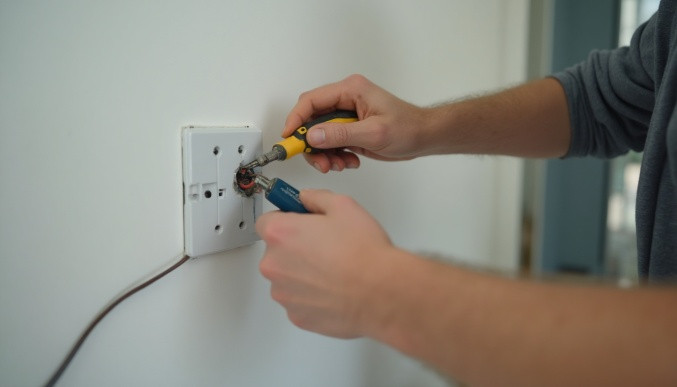
DIY vs Professional Repairs
Most people try to save money on repairs by doing things themselves. Sometimes it works. Sometimes it quietly creates bigger problems. The difference usually comes down to knowing when a job is truly simple—and when it only looks that way.
- DIY works best for simple, low-risk tasks with clear steps
- Professional repairs reduce long-term costs on complex jobs
- Mistakes are the biggest hidden expense in DIY
- Time, tools, and rework often cancel out initial savings
- The right choice depends on risk, not just price
Most decisions around repairs are made too quickly. People focus on the immediate price—what they will pay today—without thinking about what the repair might cost over time. This is where many “cheap” fixes become expensive.
Consider a small plumbing issue, such as a slow leak under a sink. A quick DIY fix might stop the visible drip, but if the underlying cause—like a worn seal or pressure imbalance—is not properly addressed, moisture can build up inside the cabinet. Over time, this leads to warped wood, mould, and potentially damage to flooring. What initially cost very little can escalate into a full repair job.
The real cost of any repair includes durability, accuracy, and long-term impact. A solution that lasts is almost always more economical than one that needs to be repeated or corrected later.
Why DIY Feels Like the Smart Choice
It Looks Simple at First
Many repairs appear straightforward, especially with the availability of online guides. Tasks like resealing a bathroom, fixing a loose hinge, or repainting a wall are often presented as quick, manageable jobs. This creates a sense of confidence, even for those with limited experience.
In reality, these guides often simplify the process. They don’t account for variations in property condition, hidden damage, or the small technical details that affect the final result. For example, painting a wall properly involves surface preparation, correct paint selection, and even application technique. Skipping any of these steps can lead to uneven finishes or peeling later.
You Avoid Labour Costs
Avoiding labour fees is the main reason people choose DIY. On paper, it makes sense. Why pay someone when you can do it yourself?
However, labour represents more than time. It includes knowledge, efficiency, and the ability to identify problems early. A professional doesn’t just complete the task—they often prevent additional issues from developing. This is where the perceived saving from DIY can become misleading.
Where DIY Starts Costing More Than Expected
You Rarely Buy Just One Thing
DIY projects almost always require more materials and tools than expected. A simple job can quickly expand once you begin. For instance, attempting to repair a wall might involve filler, sanding equipment, primer, multiple paint coats, and protective materials.
In many cases, these tools are not reused often, which means their cost cannot be spread across multiple jobs. This reduces the overall value of doing it yourself.
Mistakes Are More Expensive Than They Look
Mistakes are a normal part of DIY, but they can carry real financial consequences. Incorrect measurements, improper installation, or using the wrong materials can lead to rework or even damage.
A common example is sealing a bathroom incorrectly. If water seeps behind tiles due to poor sealing, it can cause hidden damp issues that only become visible much later. At that stage, repairs are no longer cosmetic—they involve removing tiles, treating damp, and redoing the entire area.
These types of outcomes turn a low-cost DIY job into a high-cost repair.
What You’re Really Paying for With a Professional
Speed and Accuracy
Professionals bring efficiency that comes from experience. They know how to approach a problem, which tools to use, and how to complete the job correctly the first time.
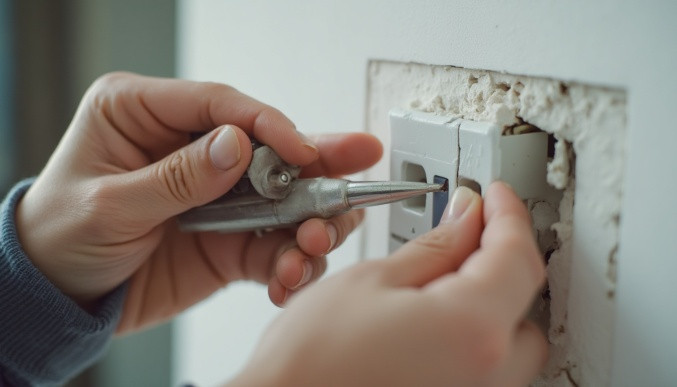
For example, diagnosing an electrical fault without experience can take hours and still lead to uncertainty. A qualified professional can often identify the issue quickly and resolve it safely. This reduces both downtime and the risk of further complications.
Fewer Surprises Later
A key advantage of professional work is that it addresses the root cause of a problem, not just the visible symptom. This is particularly important in areas like plumbing, damp issues, or structural repairs.
For instance, repainting a stained wall without identifying the source of moisture will only provide a temporary improvement. A professional approach ensures that the cause—whether it’s a leak, condensation, or ventilation issue—is resolved before cosmetic work begins.
Accountability and Reliability
Professional services often include some level of guarantee. This means if the issue reappears, it can be addressed without additional cost. This level of accountability reduces financial risk.
In contrast, DIY repairs rely entirely on personal responsibility. If something goes wrong, the cost of fixing it falls entirely on the homeowner or tenant.
When DIY Actually Saves You Money
Small, Low-Risk Jobs
DIY is most effective for tasks that are simple, low-risk, and do not involve complex systems. Examples include painting a room, assembling furniture, replacing basic fixtures, or minor cosmetic improvements.
In these cases, the risk of causing significant damage is low, and mistakes are usually easy to correct. This makes DIY a practical and cost-effective option.
When You Have Time to Do It Properly
Time plays a major role in the success of DIY projects. Rushed work often leads to poor results and additional costs. When there is enough time to plan, prepare, and complete the task carefully, DIY can deliver good outcomes.
It is also more suitable for individuals who are willing to research, learn, and follow proper steps rather than relying on quick fixes.
When Hiring a Professional Is the Smarter Financial Decision
Complex or Technical Work
Repairs involving plumbing systems, electrical wiring, or structural elements require a level of expertise that goes beyond basic DIY skills. These areas are not just about functionality—they also involve safety and compliance.
For example, incorrect electrical work can lead to serious hazards, including fire risks. Similarly, poor plumbing repairs can result in leaks that affect multiple areas of a property.
Recurring or Unresolved Issues
If a problem continues to return despite attempts to fix it, this usually indicates that the root cause has not been addressed. In such cases, continuing with DIY solutions often leads to repeated spending without a lasting result.
Hiring a professional allows for a proper diagnosis and a long-term solution, which is typically more cost-effective.
Situations Where Standards Matter
In scenarios such as property inspections, end-of-tenancy requirements, or preparing a property for sale, the quality of work is critical. Incomplete or low-standard repairs can lead to financial losses, such as deposit deductions or reduced property value.
Professional work ensures that the required standards are met, reducing the risk of these outcomes.
The Cost People Forget: Your Time
Time is one of the most overlooked factors in repair decisions. While DIY may reduce direct financial cost, it requires a significant investment of time.
This includes planning, purchasing materials, completing the work, and potentially correcting mistakes. For individuals with busy schedules, this time has value. It could be used for work, study, or other priorities.
There is also the issue of disruption. Living with an unfinished repair or spending multiple days on a task can affect daily routines. Professionals minimise this disruption by completing work efficiently and with fewer delays.
A Smarter Way to Decide
The decision between DIY and professional repairs should not be based solely on upfront cost. It should consider the complexity of the task, the potential risks, and the long-term outcome.
A practical approach is to assess what could go wrong and how costly those consequences might be. If the risk is low and the task is simple, DIY is a reasonable choice. If the risk involves damage, safety, or repeated costs, professional help is usually the better option.
The aim is not to avoid spending money, but to spend it wisely by choosing solutions that last.
Finding the Right Balance Between DIY and Professional Repairs
Both DIY and professional repairs have their place. The most cost-effective approach is not about choosing one over the other, but about using each where it makes sense.
Handling small, manageable tasks independently can reduce costs without introducing unnecessary risk. At the same time, investing in professional expertise for more complex work helps avoid larger, more expensive problems later.
Saving money on repairs ultimately comes down to informed decisions—looking beyond short-term savings and focusing on long-term value, reliability, and peace of mind.