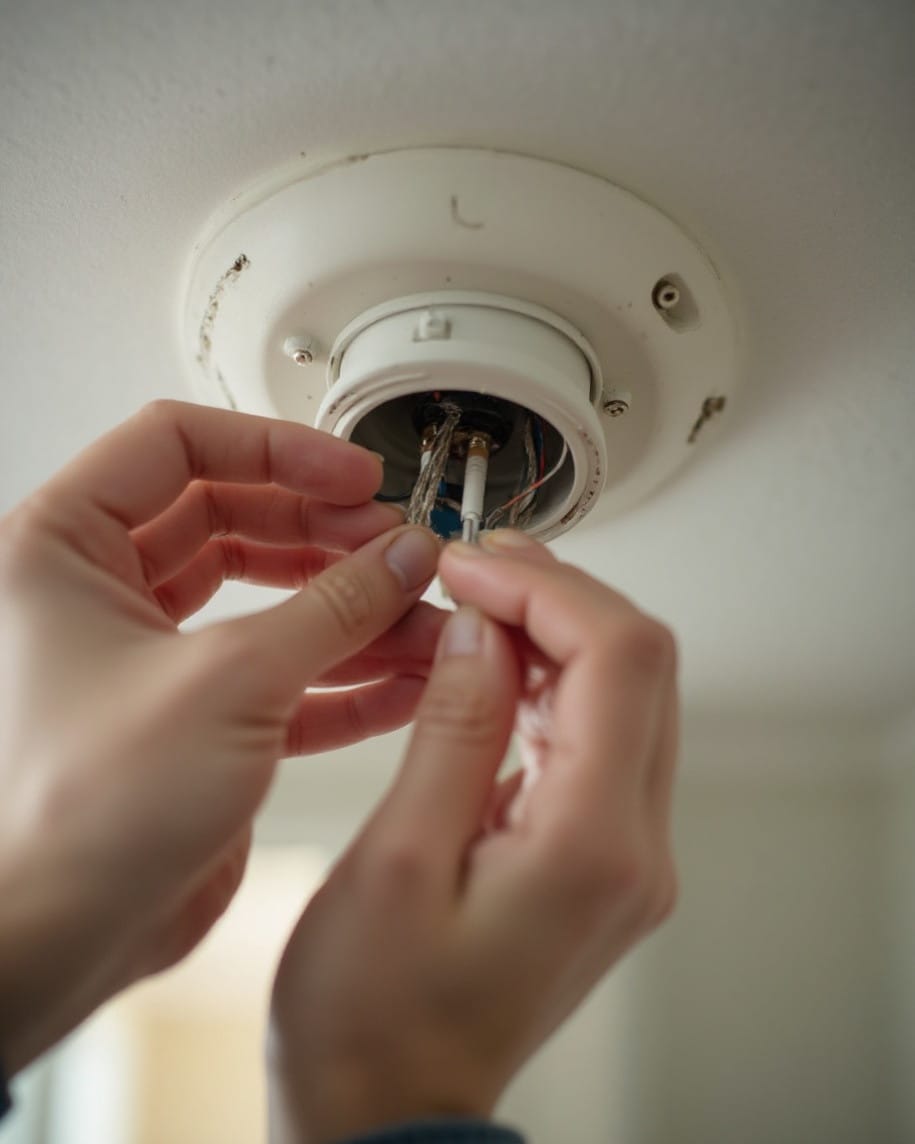
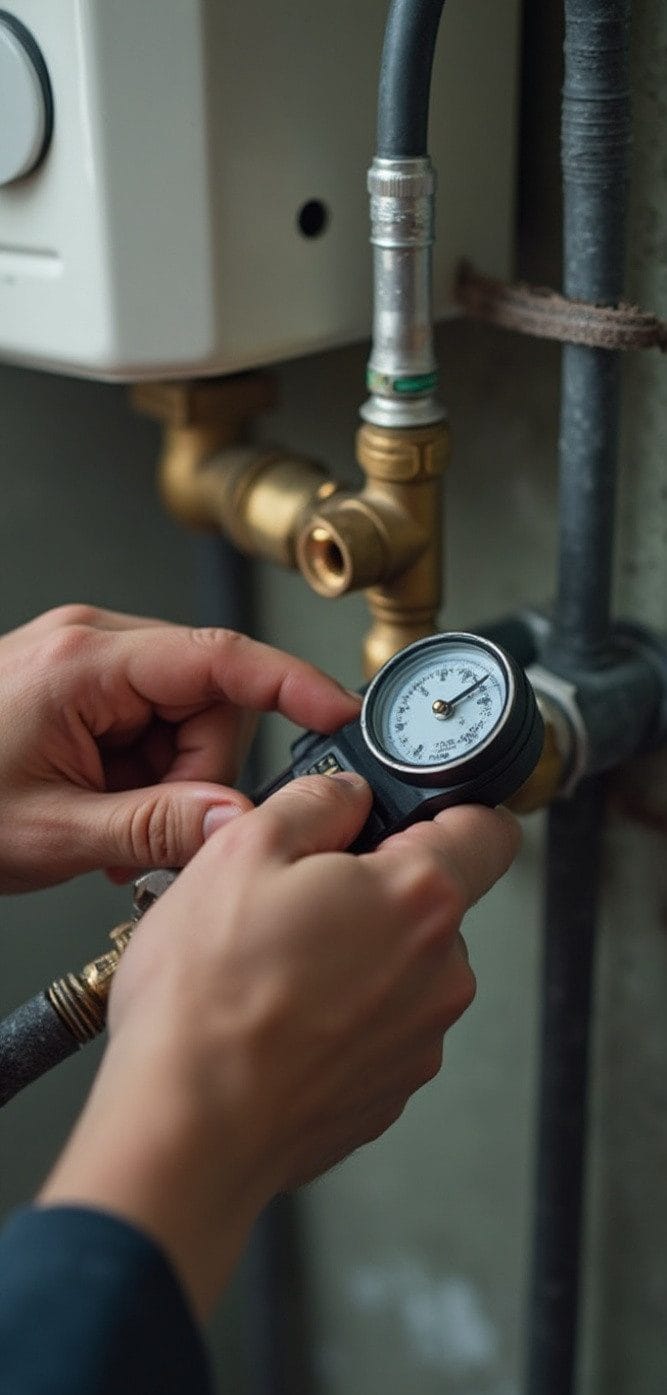
In many homes around Stoke Newington, performance issues rarely begin with a clear fault. Instead, they develop through subtle changes in behaviour—slower cooling, uneven water flow, or reduced responsiveness from appliances. These early indicators reflect a shift in the operational consistency threshold, where systems continue to function but no longer deliver stable performance.
At this stage, the issue is often invisible in isolation. A single inconsistency may not seem significant, but when combined with repeated use, it forms a wider cumulative performance deviation, where small variations begin to affect overall efficiency.
Continuous operation plays a major role, especially for appliances like fridges and freezers that run without interruption. Over time, this constant load introduces gradual changes in system behaviour, creating a slow continuous-cycle performance shift that affects reliability.
There is also a noticeable effect on routine interaction. Tasks that should feel effortless—such as storing food or running appliances—begin to require more attention. Addressing these changes helps restore a smoother daily usability consistency, where systems respond predictably.
Another factor is how systems influence one another. For example, airflow, surrounding temperature, and placement can all affect appliance behaviour. Managing these relationships supports a stable inter-system interaction balance, where performance is not disrupted by external factors.
Environmental influence is equally important. Variations in room temperature, ventilation, and humidity can amplify small inefficiencies, creating a broader environmental impact variation on system performance.
There is also a progression factor. When early signs are ignored, they tend to develop into more complex issues that require greater intervention. Acting early helps maintain a controlled preventative maintenance advantage, where adjustments remain simple and effective.
Ultimately, these gradual changes reshape how the property functions over time. Addressing them early preserves a stable long-term operational reliability, where systems remain efficient and consistent.