
Identify the part, preserve the assembly and keep it serviceable

Practical Component Repairs for Hackney Homes

Hackney homes range across Victorian streets, estates, warehouse conversions and contemporary developments. Small failures are easier to solve when the component is identified accurately and its relationship to the surrounding assembly is understood.

  • Hardware measured before replacements are bought
  • Complete assemblies checked around the failed part
  • Room layouts kept adaptable after installation
  • Product codes retained for future maintenance
Handyman measuring a metal furniture component against its fitting
Hackney property focus
15+ years of experience
London and M25 coverage
One accountable team

LOCAL PROPERTY CONTEXT

Build a job-specific kit instead of a generic box of spares

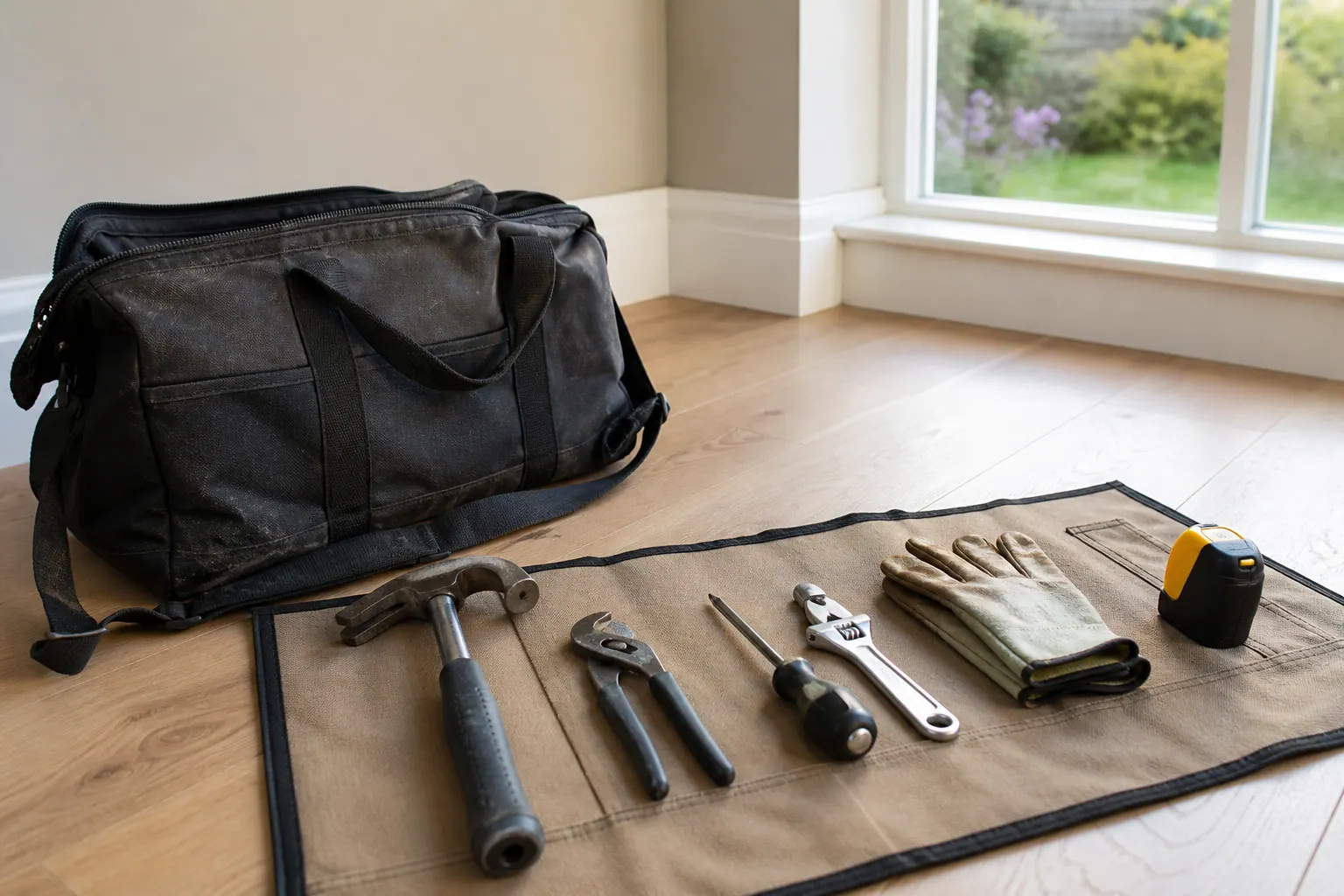
For confirmed tasks, gather the exact replacement, compatible fixings, supplied instructions and any template before the visit. Keep alternatives only where a measured uncertainty justifies them. Generic screws, hinges and sealant are not universally interchangeable. Product materials must suit the substrate and environment. If the customer supplies parts, inspect packaging and quantities before the appointment date; missing brackets can stop an otherwise simple job. Retain the original part until the new one is tested. This disciplined kit reduces improvisation and waste while making it clear when the item is obsolete, custom-made or better repaired by a specialist rather than adapted with an approximate component.

Discuss your property requirementsCall 020 3137 9380

DETAILS TO CHECK

Install for the room’s next use as well as today’s layout and Expect old and new construction within one address

01

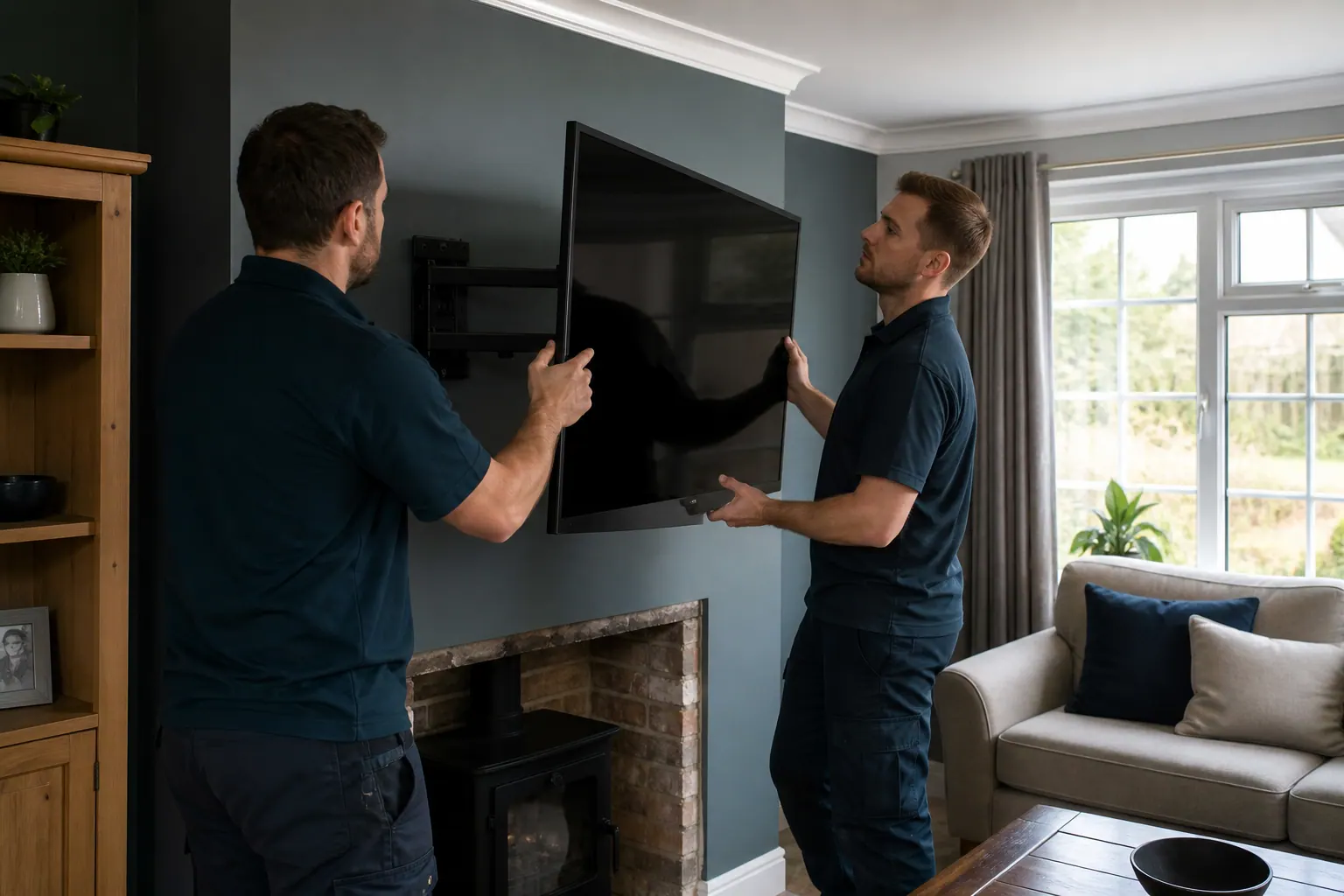
Install for the room’s next use as well as today’s layout

Homes change between working, entertaining, childcare and renting. Shelving, televisions and fold-down furniture should preserve door swings, socket access, radiator airflow and a practical furniture route. Ask whether the installation may move within a few years. A modular or rail-based approach can be appropriate when safe for the intended load, while a fixed heavy cabinet needs a long-term position. Manufacturer restraints remain essential for tall furniture. Avoid creating inaccessible corners that cannot be cleaned or maintained. Adaptability is not a claim that every fitting can be temporary; it is the decision to avoid unnecessary permanence and keep services reachable as the room’s purpose evolves.
02

Expect old and new construction within one address

A warehouse conversion may contain retained brick beside modern lining; a Victorian house can include later rear additions; an estate flat may have proprietary partitions and service ducts. Surface appearance cannot confirm what carries a load. Check the proposed zone and reconsider the position if sound support or concealed-service safety is uncertain. Tiles, panelling and acoustic finishes can be decorative layers rather than structure. Do not enlarge a failed hole repeatedly. A new support method may distribute load or require another trade. Recording the confirmed substrate and fixing used helps later work in the same room, but it does not make every other wall identical.

03

Run an address check before visible exterior changes

Hackney’s conservation areas cover many different forms, including domestic terraces, market routes and industrial buildings. The exact address and proposal determine whether additional control applies. Windows, doors, roof features, gardens, signs and external fixtures can require permission or landlord agreement. A repair inside the property may still meet retained heritage fabric. Keep alterations proportionate and do not infer approval from a neighbouring example. Hackney provides local planning information and area appraisals; the property owner should use those tools and secure consent. Bob’s can then work to a defined authorised detail rather than deciding planning status during a handyman appointment.

Labelled hinges brackets and fixings arranged for comparison

HACKNEY PROPERTY NOTES

Name the component before naming the trade

A failed hinge, runner, latch or bracket has dimensions, fixing centres, load and a relationship with the item around it. Photograph its markings and both sides, then measure rather than ordering by appearance. A cabinet problem may come from the hinge, door, carcass or mounting rail. A loose handle may involve the spindle or damaged base material. Identifying this assembly avoids replacing a visible part while leaving the cause untouched. It also reveals the right service: furniture repair, door work, carpentry, plumbing or an electrical specialist. The first useful question is what has failed and how it operates, not which broad room category appears on the enquiry form.

PRACTICAL NEXT STEPS

Leave a component log that prevents another identification exercise

Record the installed part, finish, measurements and supplier reference. Photograph any adjustment point and label unused adaptors. For a mounted item, retain the bracket instructions and state the agreed normal load. For repaired furniture, note if a bespoke or unavailable component was retained. The log belongs with the property or product, not in a general unlabelled drawer. Odd jobs can combine independent minor tasks; furniture repair, door repair, appliance installation and wall hanging have focused service information. The prices page offers booking context. Accurate component records make later quotations quicker and reduce incompatible purchasing, especially when a landlord or new occupant did not see the original work.

Discuss your property requirementsCall 020 3137 9380

PRICING

Pricing based on the agreed Hackney job scope

The quotation reflects the task, access, expected time and materials. Photographs and measurements help establish what can be priced before the visit and what first needs inspection.

Handyman labourFrom the published rate
MaterialsAgreed for the job
Additional workApproved before it starts

Parking, congestion and unusual access requirements are discussed where they affect the quotation.

NEARBY COVERAGE

Handyman areas near Hackney

Hoxton

See the dedicated property-maintenance page for Hoxton.

View Hoxton →

HACKNEY HANDYMAN FAQ

Questions about planning handyman work in Hackney

How do I measure a cabinet hinge for replacement?

Photograph its markings and measure cup size, fixing centres and overlay or inset arrangement. Include the cabinet and door condition, not only the loose hinge.

Can a different brand of drawer runner be fitted?

Possibly, but length, load, extension, clearances and fixing pattern must suit the drawer and cabinet. A near match can alter alignment.

What makes a room installation adaptable?

It preserves services, circulation and future furniture options while using a secure system appropriate to the load and wall.

Can a failed wall plug take a larger screw?

Do not assume so. The substrate and reason for failure must be checked; the fixing position or support method may need to change.

Does every Hackney conservation area have the same rules?

No. Check the address, area appraisal and proposal using Hackney Council’s tools, then obtain any required consent.

Why retain the old component after replacement?

It confirms dimensions and can help identify future matching parts. Keep it only until the new assembly is tested and disposal is agreed.

PLAN THE VISIT

Identify the Hackney component before booking the repair

Send markings, measurements and a photograph of the whole assembly. Bob’s can review the practical repair route without relying on a visual near-match.

Call 020 3137 9380Get a quote