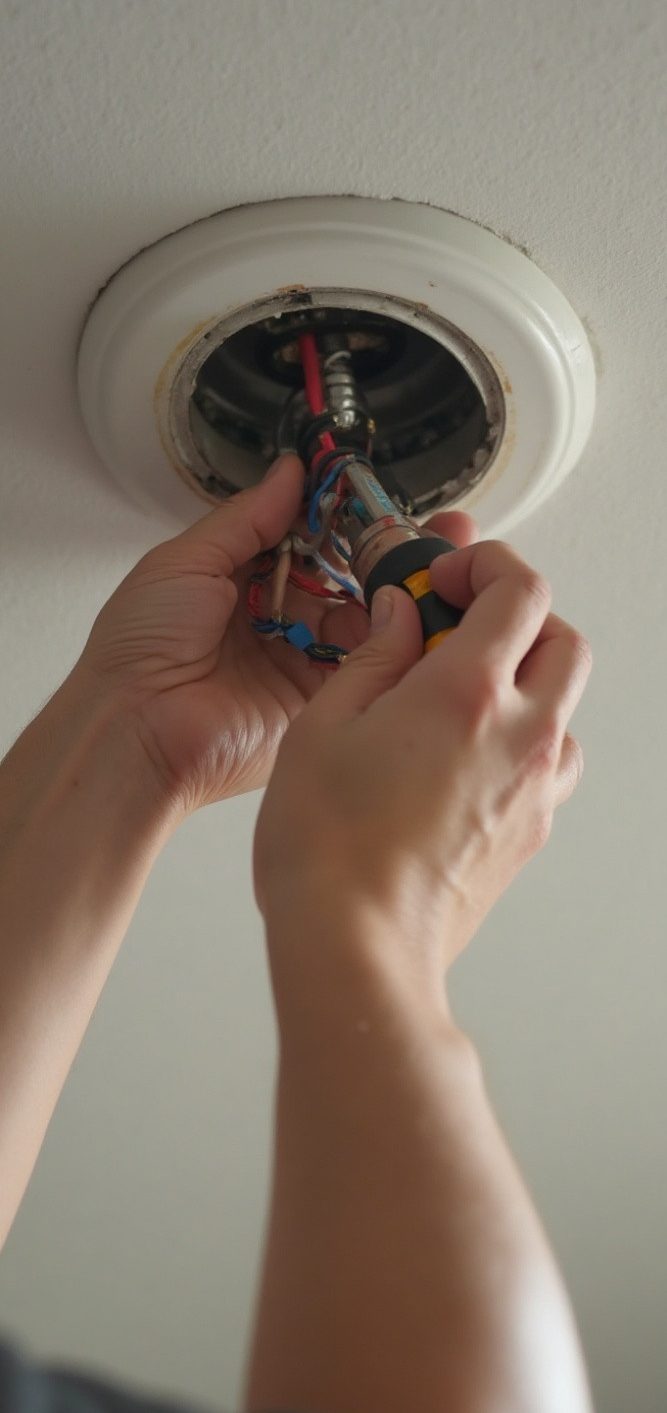
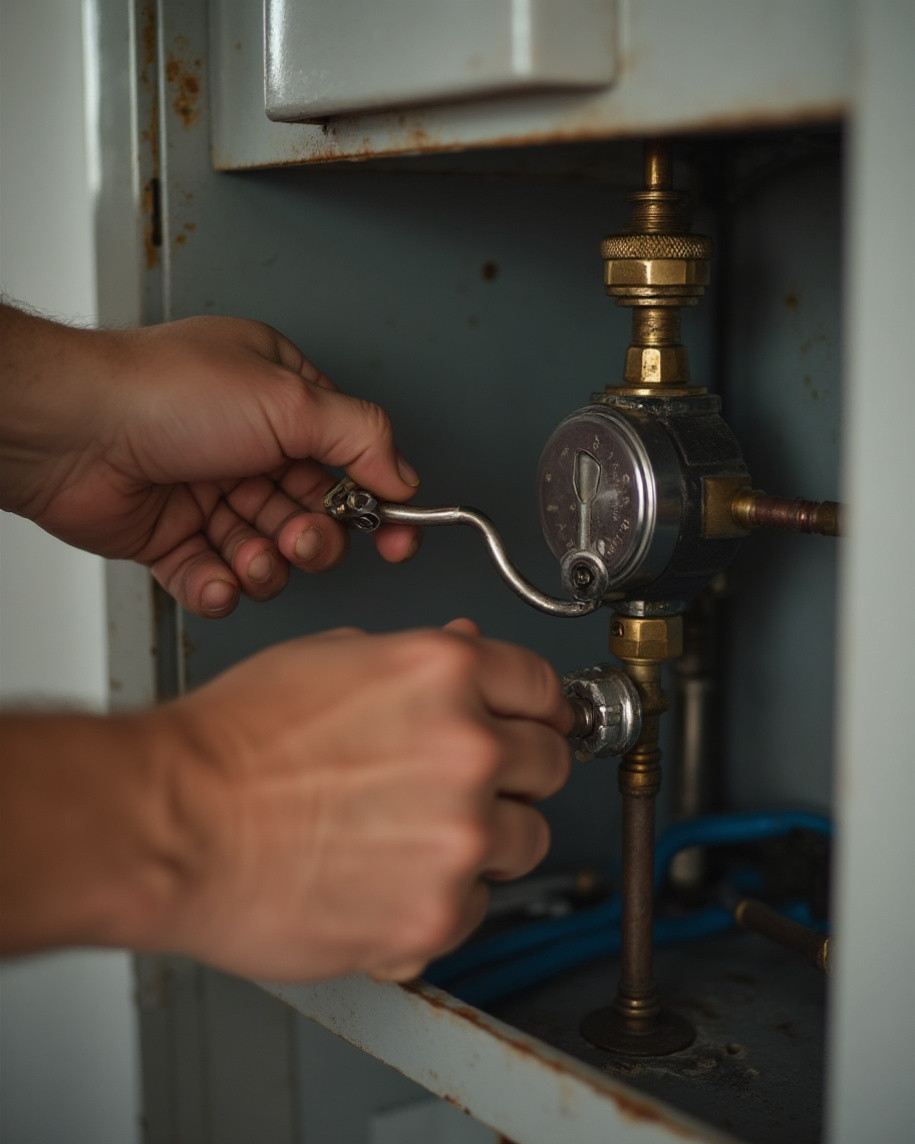
Every visit begins with a structured assessment of the issue before any physical work is carried out. This stage is important because many household problems appear simple on the surface but are often linked to several underlying causes. A loose fitting, for example, may not only be caused by wear around the visible area, but also by weakened internal supports, poor previous installation, hidden moisture damage, or gradual structural movement over time. In many properties, especially older homes, repeated temporary repairs can also hide the real source of the issue. Taking the time to inspect the condition carefully at the beginning allows the correct domestic repair tasks to be identified and completed properly, reducing unnecessary trial and error while helping prevent the same problem from returning shortly afterwards.
Once the issue has been fully assessed, the surrounding working area is prepared carefully before repairs begin. Protective coverings are placed over nearby flooring, furniture, appliances, and decorative surfaces to minimise dust, debris, or accidental marking during drilling, removal, adjustment, or installation work. In Bethnal Green properties, particularly converted flats and older residential buildings, access can often be limited and walls may contain hidden pipes, wiring, or ageing internal structures that require additional caution. Careful preparation creates a safer working environment and helps ensure all property repair work is completed cleanly, efficiently, and without causing avoidable disruption or secondary damage elsewhere in the home.
The repair method used depends entirely on the type of material involved, the condition of the surface, and the stability of the existing fitting. Some situations require re-anchoring into stronger fixing points using heavy-duty wall plugs, reinforced brackets, or improved mounting systems that provide greater long-term support. Other repairs may involve correcting alignment issues, tightening weakened joints, replacing worn fixings, or restoring components that have become unstable through age and repeated use. In certain cases, fillers, sealants, bonding compounds, or reinforcing materials are applied where minor cracks, movement, or surface gaps have developed over time. Every solution is selected based on durability, safety, and suitability for the specific repair rather than appearance alone, ensuring dependable general fix work that remains stable under normal daily use.
After the repair work has been completed, a final inspection is carried out to confirm that everything is secure, level, aligned correctly, and functioning as intended. Fixtures are tested under normal movement and pressure, while any finishing adjustments are completed immediately to improve both performance and presentation.