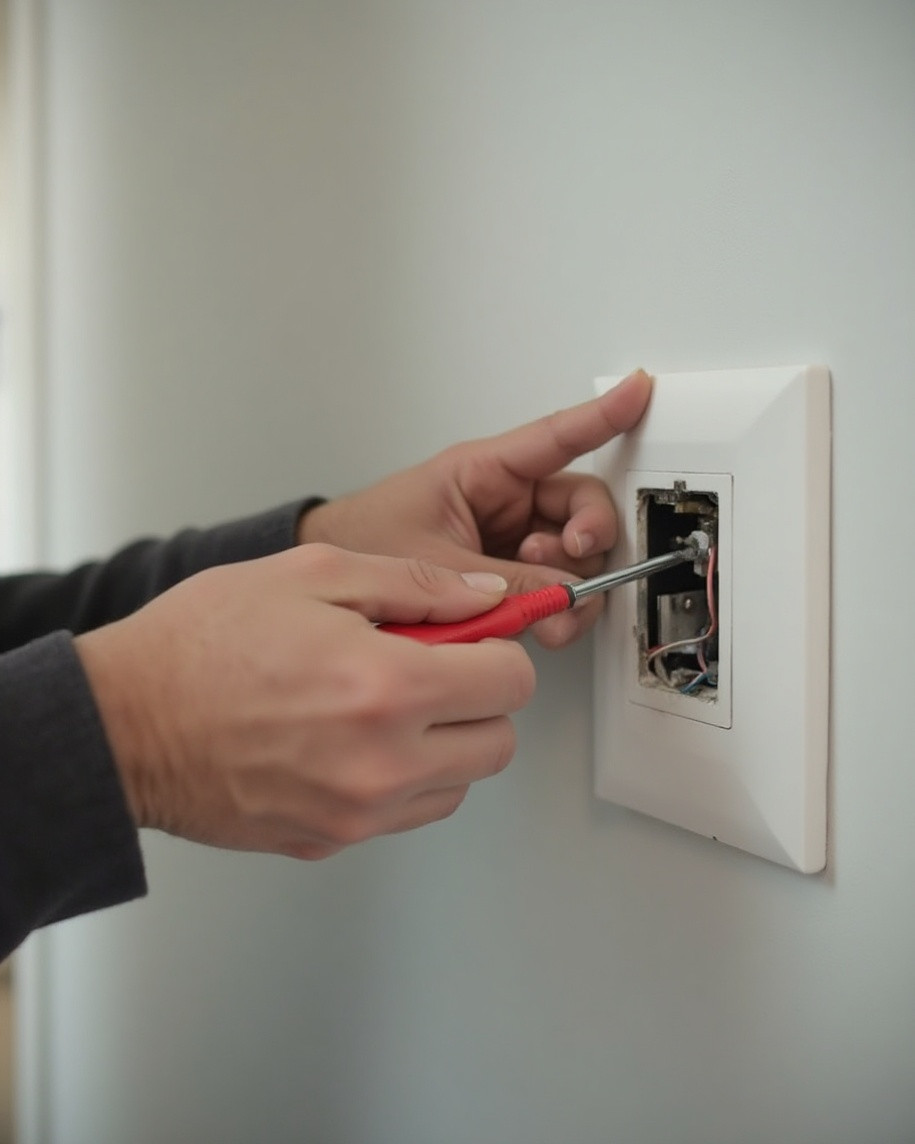
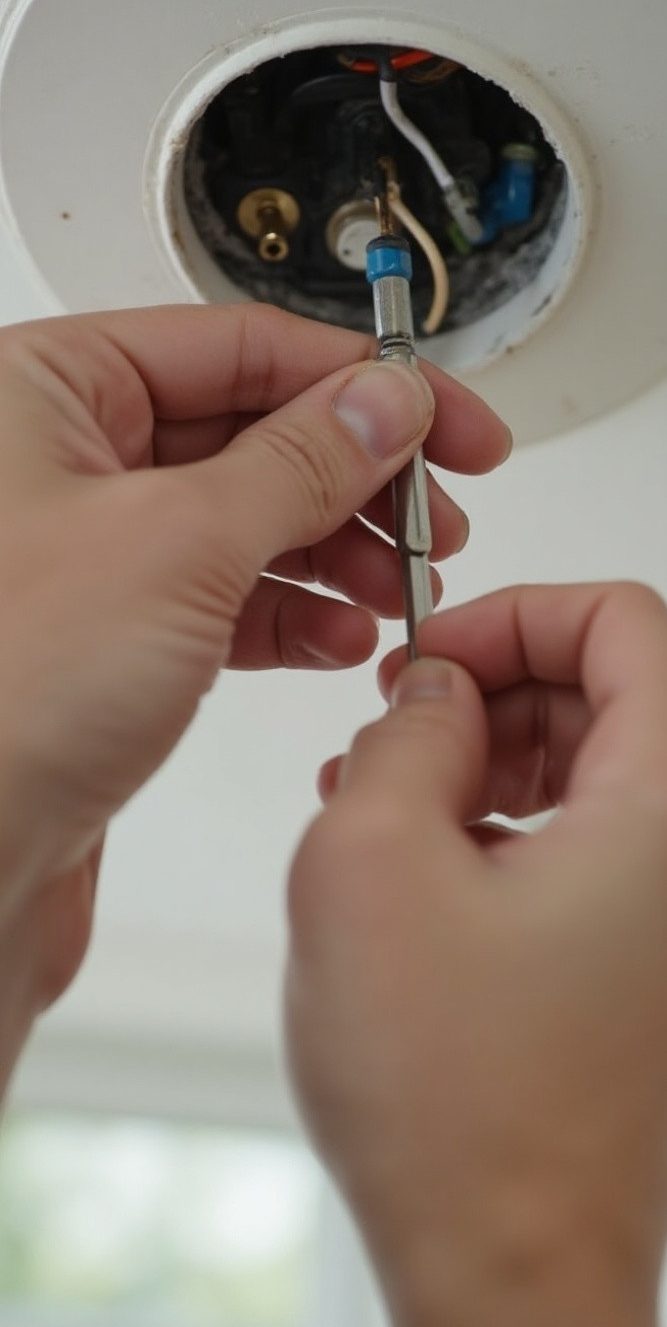
Every visit starts with a structured assessment before any repair work begins. This step is essential because many household faults are not caused by a single visible problem. A loose fitting, for example, may be the result of internal movement, worn fixings, or previous installation errors that are not immediately obvious. Taking time to understand the cause ensures accurate domestic repair tasks are carried out rather than surface-level adjustments.
Once the issue has been identified, the working area is prepared with care. Surrounding surfaces are protected where necessary, and the structure is checked before any drilling, removal, or adjustment takes place. In Whitechapel homes, especially flats and converted buildings, space is often limited and walls may contain hidden services. This makes careful preparation an important part of safe and controlled property repair work.
The repair method depends on the condition of the surface and the nature of the fault. Some situations require stronger anchoring using suitable fixings for brick, plasterboard, or mixed construction. Others involve correcting alignment, replacing worn components, or stabilising fittings that have shifted over time. In certain cases, gaps or weakened areas are reinforced using appropriate materials to restore structure and prevent further movement.
During the repair process, attention is focused on restoring long-term stability rather than just correcting what is visible. Many issues develop gradually due to repeated pressure or vibration, so simply tightening screws or reattaching parts is often not enough. Reinforcement is applied where needed to ensure the result remains stable under everyday use and supports reliable general fix work.
In some properties, completing one repair can reveal additional stress in nearby fittings or surfaces. This is common in older homes where materials have been adjusted multiple times. When this happens, small additional corrections may be carried out to prevent related issues from developing later.
After all work is completed, a full inspection is carried out. Stability, alignment, and functionality are tested under normal use conditions. Any final adjustments are completed immediately so the repair is fully resolved before the visit ends.