Each job in Wandsworth is approached based on the actual condition of the property rather than a fixed checklist. The visit begins with a focused inspection to understand what’s causing the issue and whether there are any contributing factors that are not immediately visible. For example, a door that doesn’t close properly might not just be a hinge problem — it could be affected by slight frame movement or wear over time. Taking the time to assess this properly ensures accurate repair assessment services and avoids repeating the same issue later.
Once the problem is clearly identified, preparation becomes the next step. This involves creating a safe and practical working environment, which may include moving furniture, clearing access points, or protecting floors and nearby surfaces. In many Wandsworth properties, especially flats with limited space or shared access, this stage is essential to keep the work organised and prevent unnecessary disruption. Proper setup supports efficient on-site repair preparation and helps ensure the work can be carried out smoothly from start to finish.
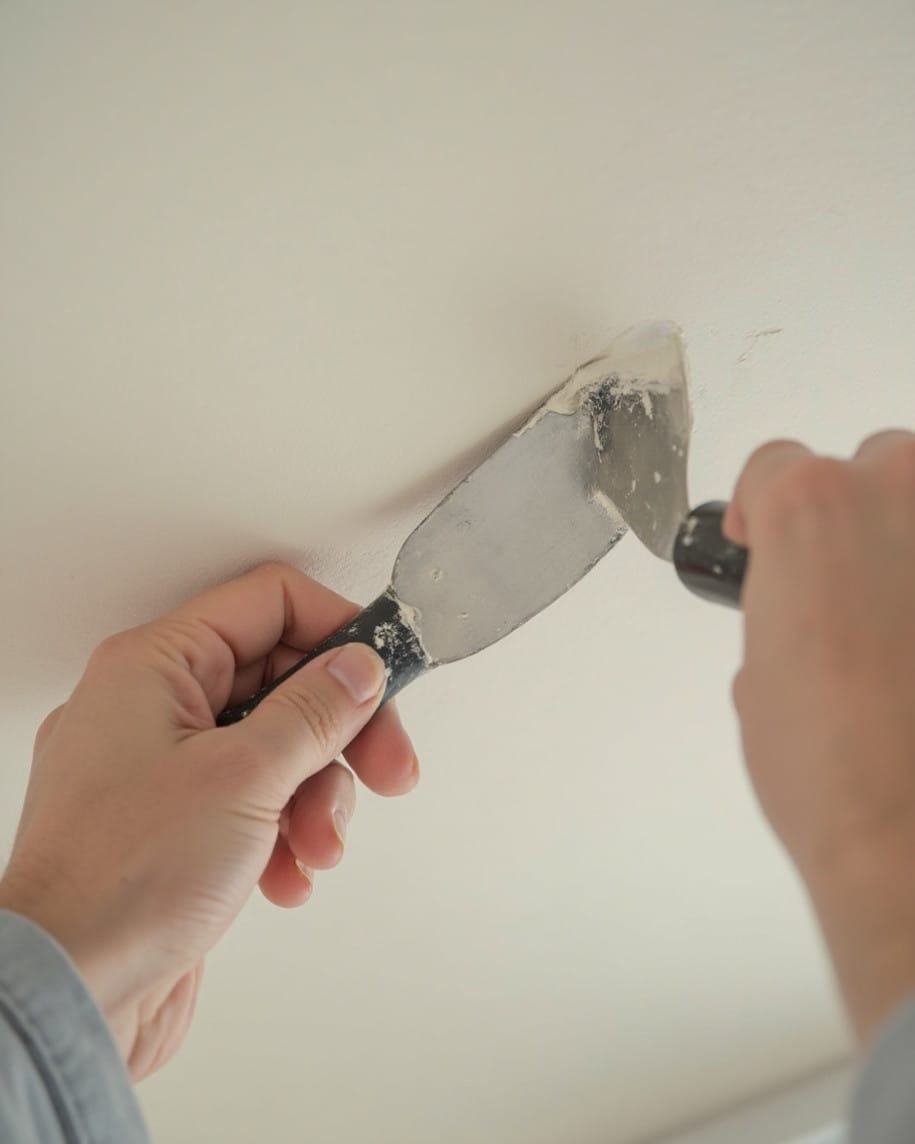
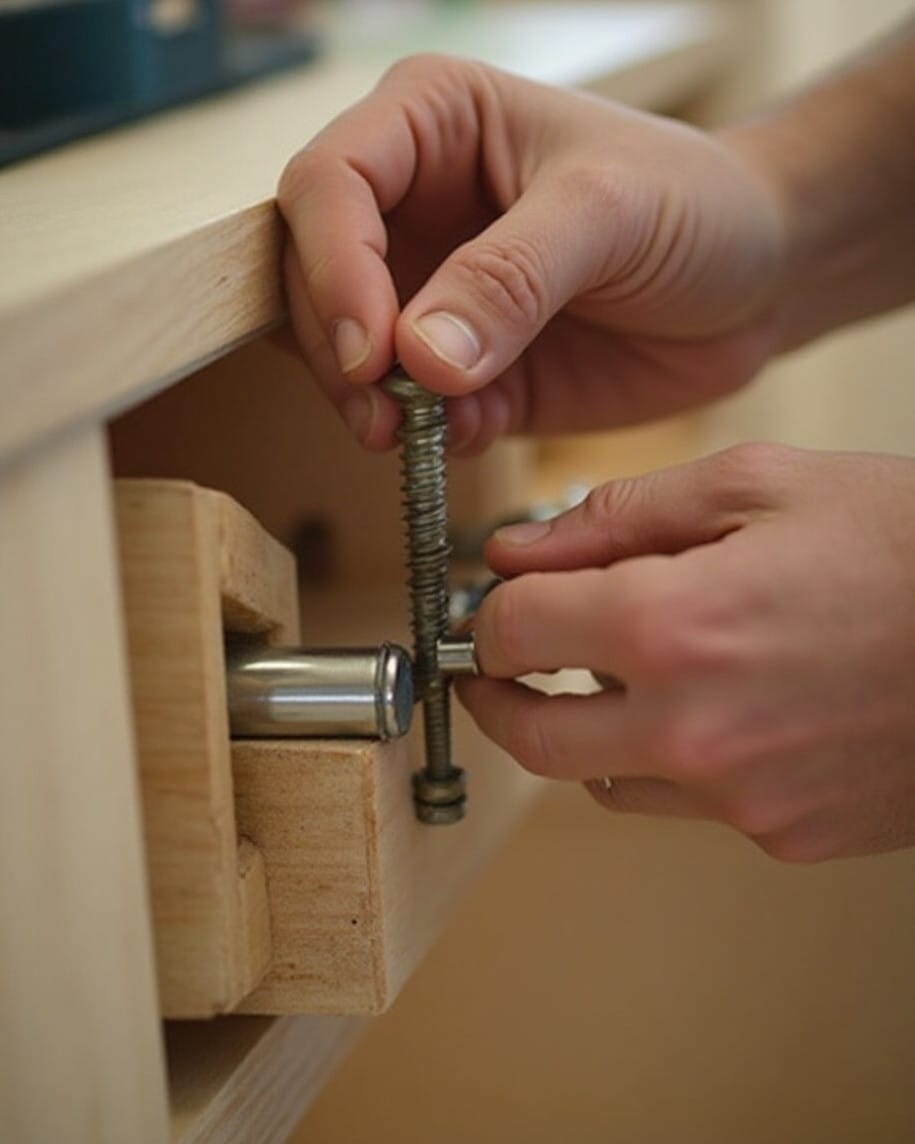
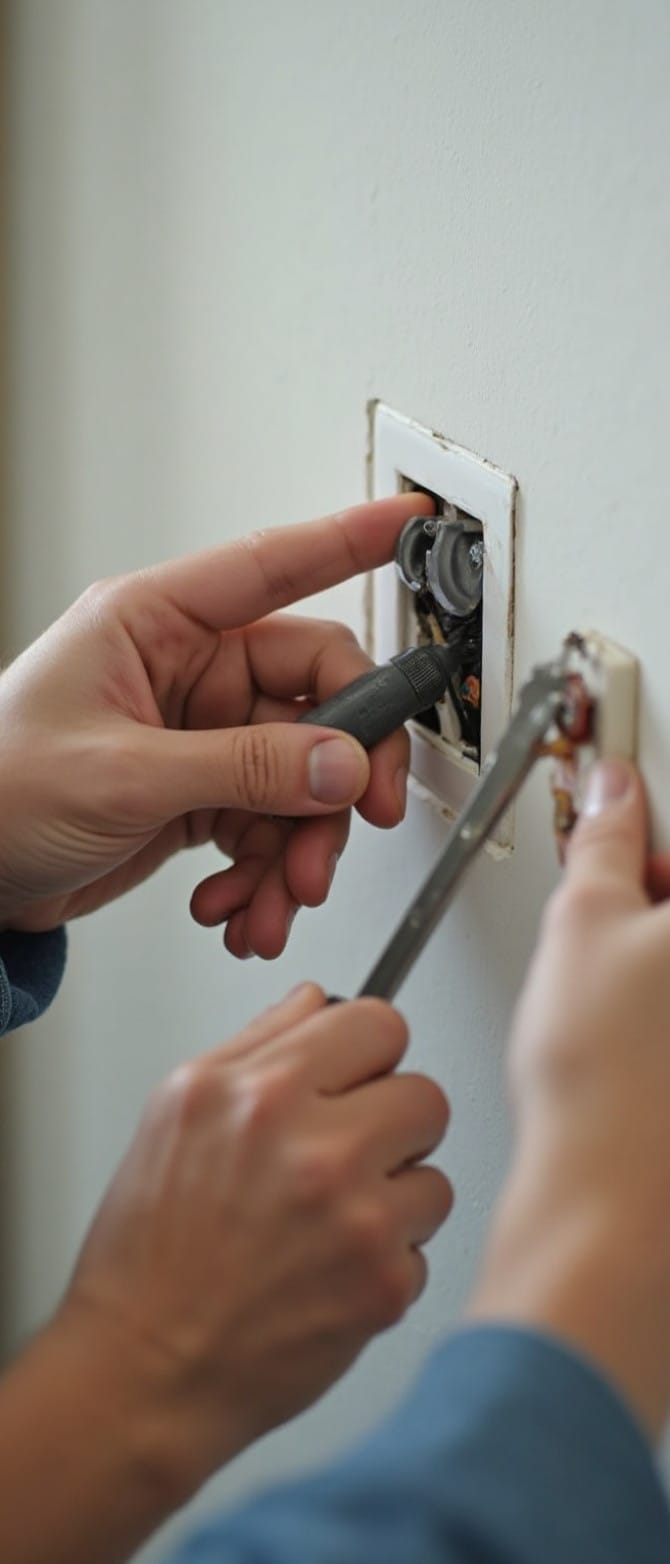
The repair or installation is then carried out using tools and materials suited to the specific task. Whether it’s adjusting door alignment, repairing damaged areas, or securing fittings, attention to detail is key. Even small inaccuracies can lead to recurring issues, particularly in high-use areas like kitchens or entrances. For this reason, the focus is always on achieving a stable and lasting result rather than a temporary fix, which is a core part of reliable general property maintenance.
During the work, adjustments may be made as needed to ensure everything fits and functions correctly. For example, when dealing with fittings or fixtures, alignment is checked carefully so that components sit properly and operate without strain. In some cases, additional reinforcement may be required if the original installation was not secure. This flexible approach allows the work to adapt to real conditions on-site, supporting more effective repair and adjustment work across different areas of the property.
After the main work is completed, testing and final adjustments are carried out. Doors are opened and closed multiple times to confirm smooth operation, fittings are checked for stability, and repaired surfaces are inspected to ensure they are secure. This stage is important because it confirms that the issue has been fully resolved rather than temporarily improved, forming part of thorough repair completion checks.
In most situations, the work can be completed within one to three hours, depending on how many issues are being handled and the condition of the materials involved. However, in older properties, certain components may be too worn or damaged for repair alone. In these cases, replacement is often the more practical option to ensure long-term reliability. Explaining this clearly helps support better long-term maintenance decisions and avoids unexpected problems in the future.