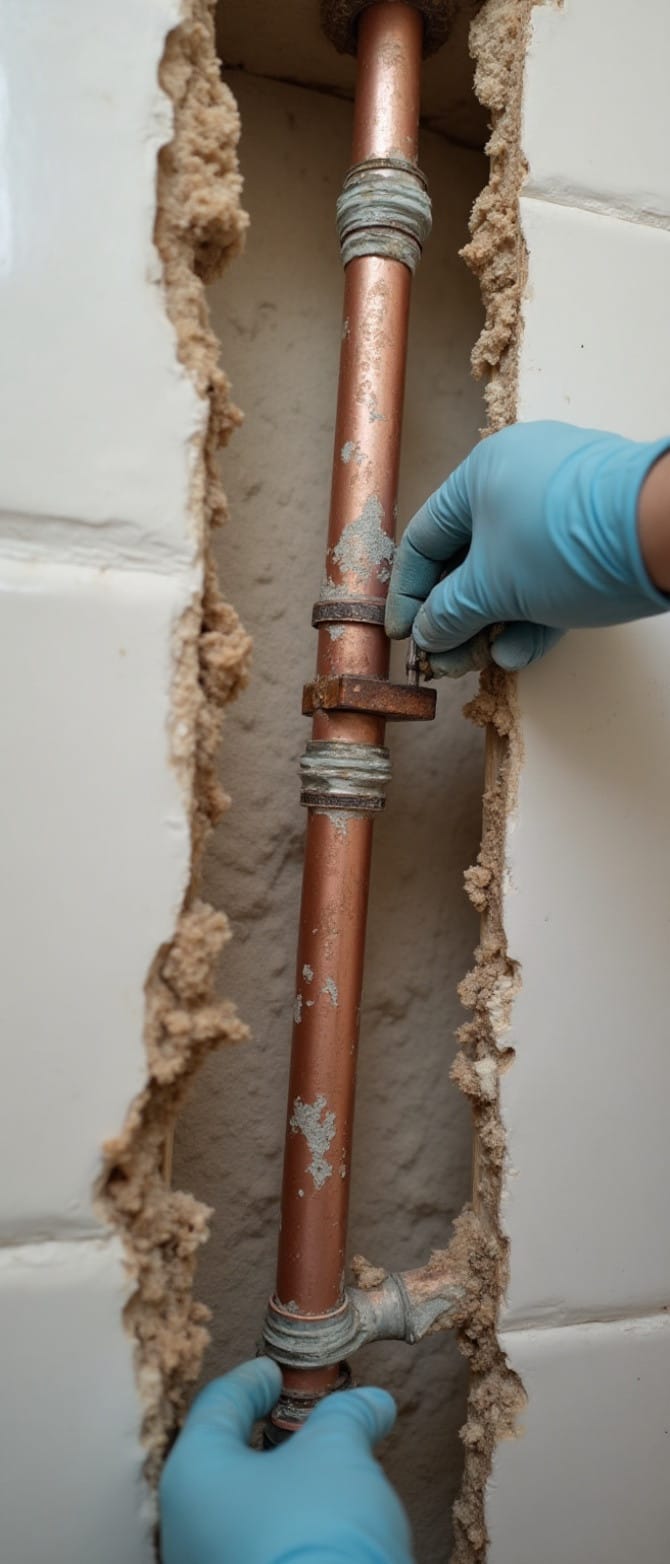
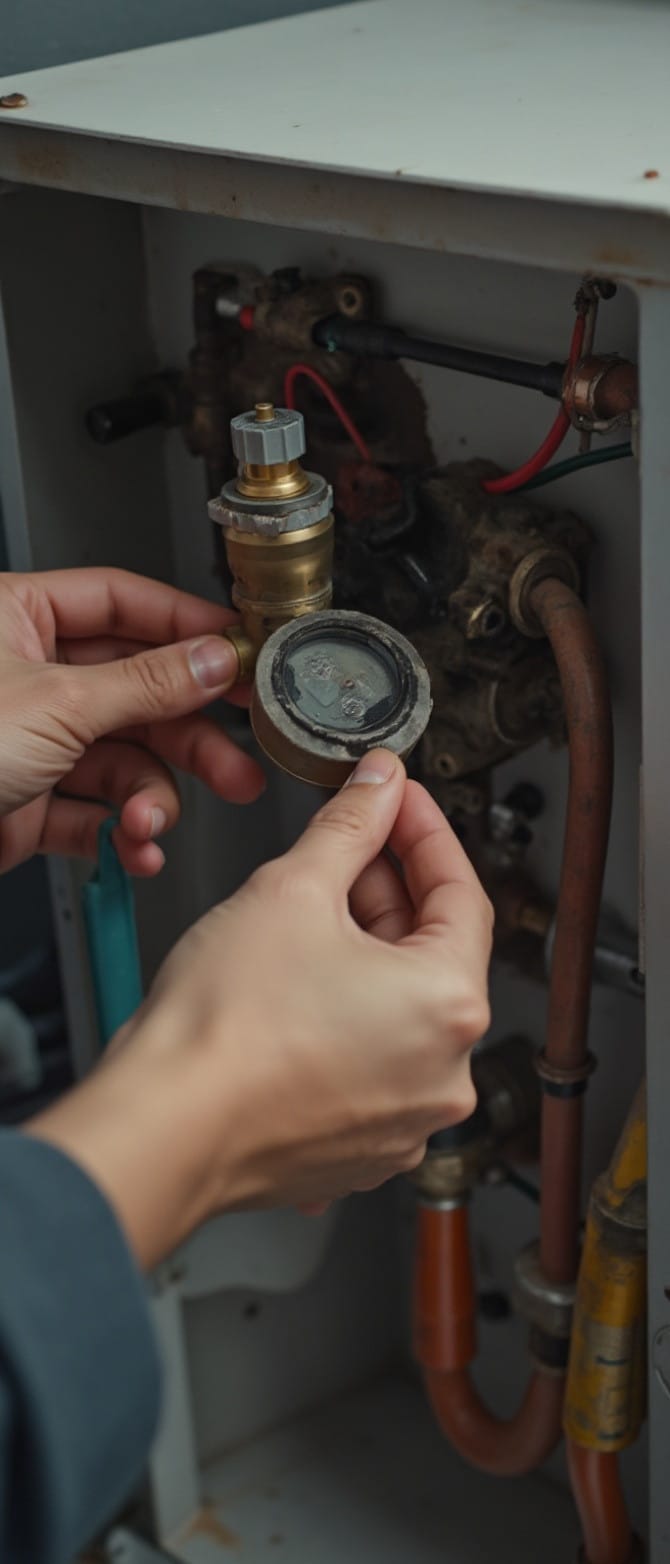
Each task begins with a structured review of the item and surrounding space. In pre-work spatial analysis systems, attention is given to dimensions, positioning limits, and how the item will function within the intended room setup.
Before any physical work begins, all components are organised and checked for completeness. In assembly readiness coordination systems, each part is verified against the intended structure to ensure correct matching and to prevent interruptions once the build or installation starts.
Work then progresses in a controlled sequence. In layered construction execution systems, each stage is completed step by step so that stability is achieved progressively, reducing the risk of imbalance, misalignment, or incomplete fitting.
The surrounding area is prepared in advance to allow safe movement and clear access. In workspace clearance arrangement systems, nearby objects are repositioned where necessary to create an unobstructed working zone suitable for installation, repair, and general handyman tasks.
During the process, structural balance is monitored continuously. In ongoing stability tracking systems, each section is reviewed as it is assembled or installed to ensure correct positioning and alignment before moving to the next stage.
Where inconsistencies appear, immediate correction is applied. In live alignment correction systems, small adjustments are made on-site to maintain precision and ensure that the final result remains structurally sound across the entire task.
If multiple components or fittings are involved, coordination between elements is carefully managed. In multi-element integration systems, attention is given to how each part interacts with surrounding fixtures so the finished installation functions as a complete and stable unit.
Once completed, the item or installation is tested under normal usage conditions. In practical function validation systems, stability, usability, and operational response are reviewed to confirm that the work performs correctly in real household conditions.
A final inspection is then carried out across the full work area. In completion assessment review systems, attention is given to finish quality, secure fitting, and overall reliability before the job is considered complete.