Plan for the room after this version of the room
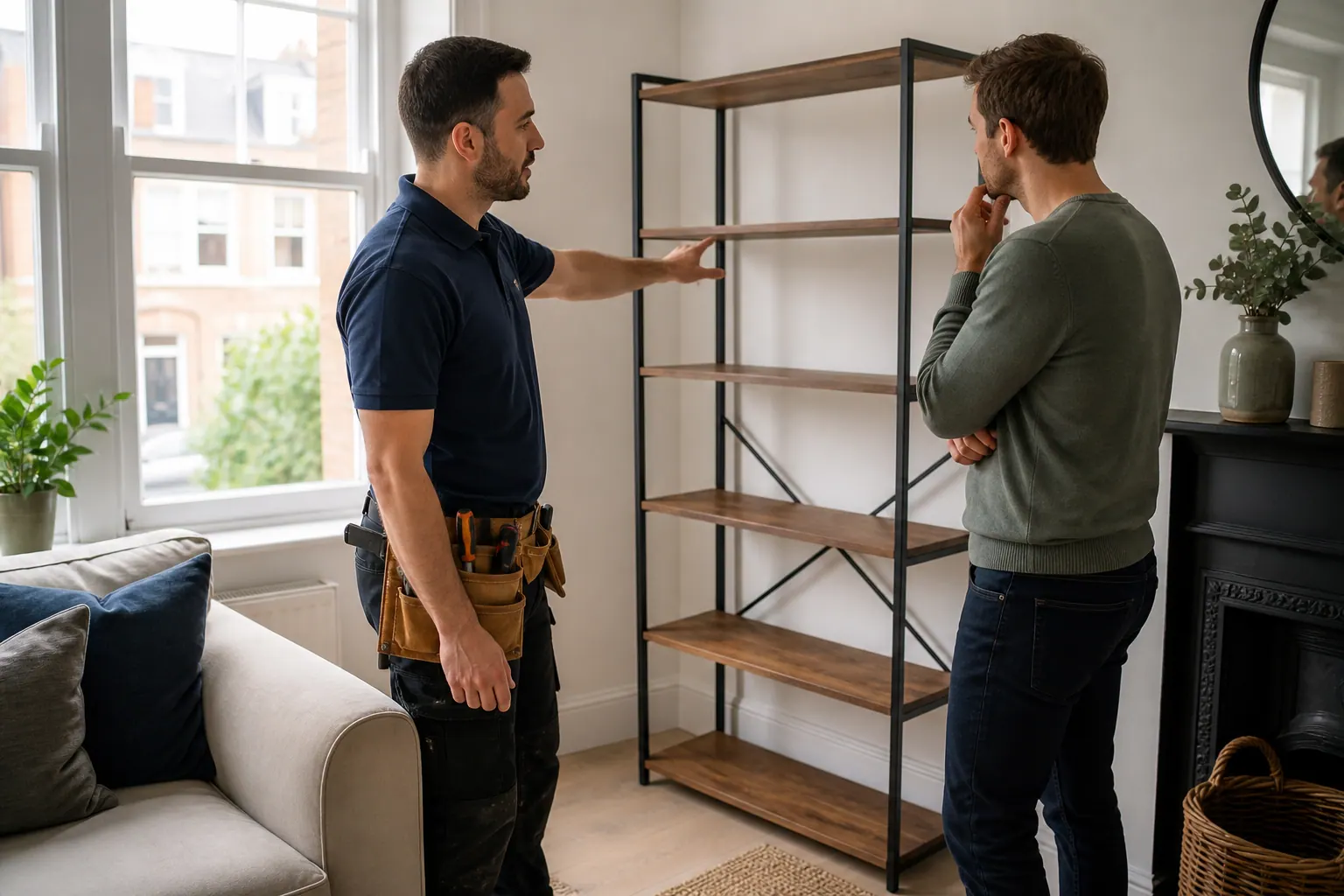
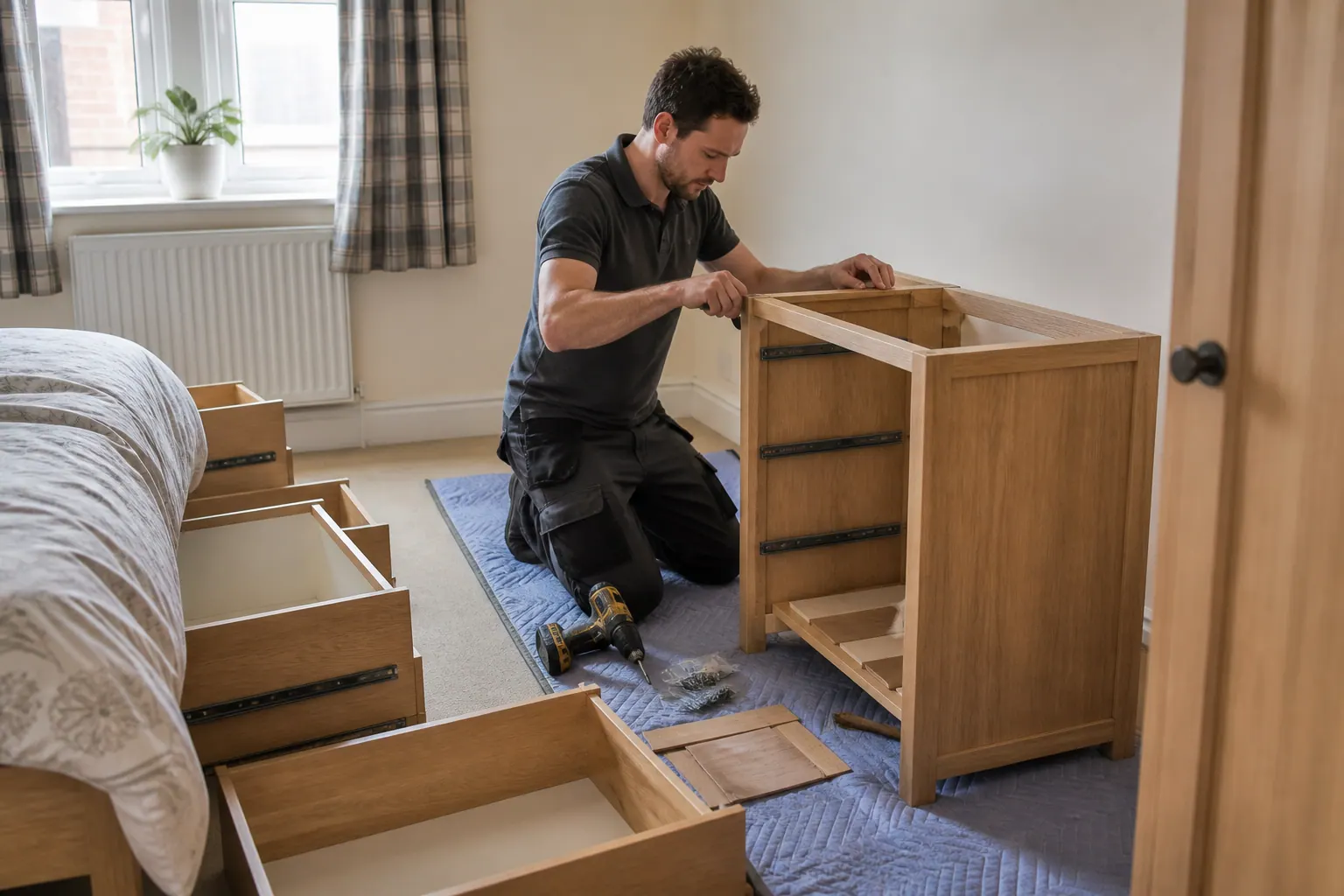
Before choosing shelves, a desk or a furniture layout, name the next likely change. A child’s room may soon need a larger bed; a temporary home office may return to dining; a rented spare room may need to become neutral again. Mark the proposed footprint with tape and place a chair or open door in its normal position. Check reach, daylight, radiators, sockets and the route through the room. Then decide which elements deserve permanent fixing and which can remain mobile. One well-positioned rail can be better than several isolated holes if future items can share it. Keep an annotated photograph of hidden fixing points and store unused caps or brackets. Adaptability is not avoiding all alteration. It is choosing work that remains useful, can be understood later and does not force the next household change to begin with repair.