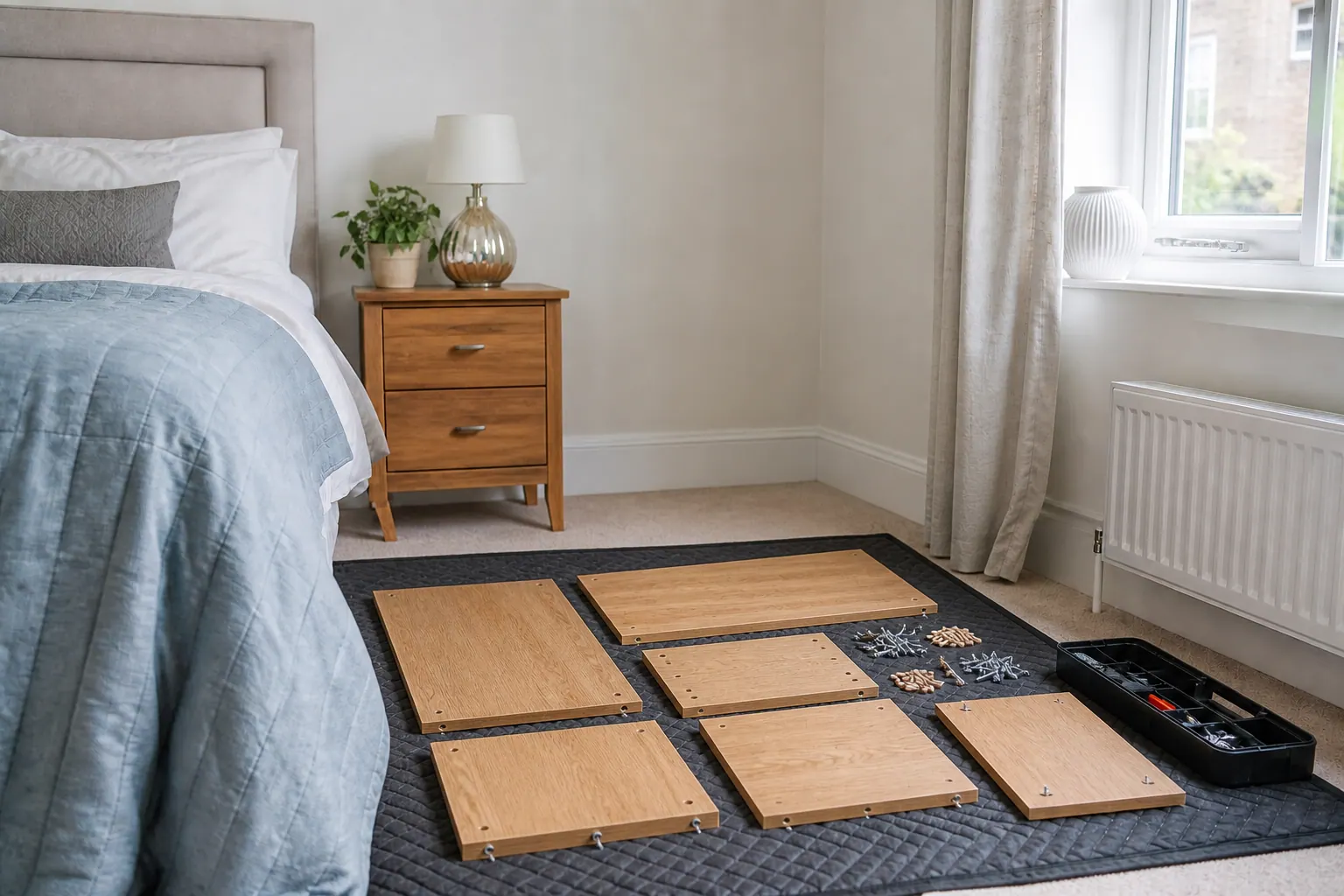
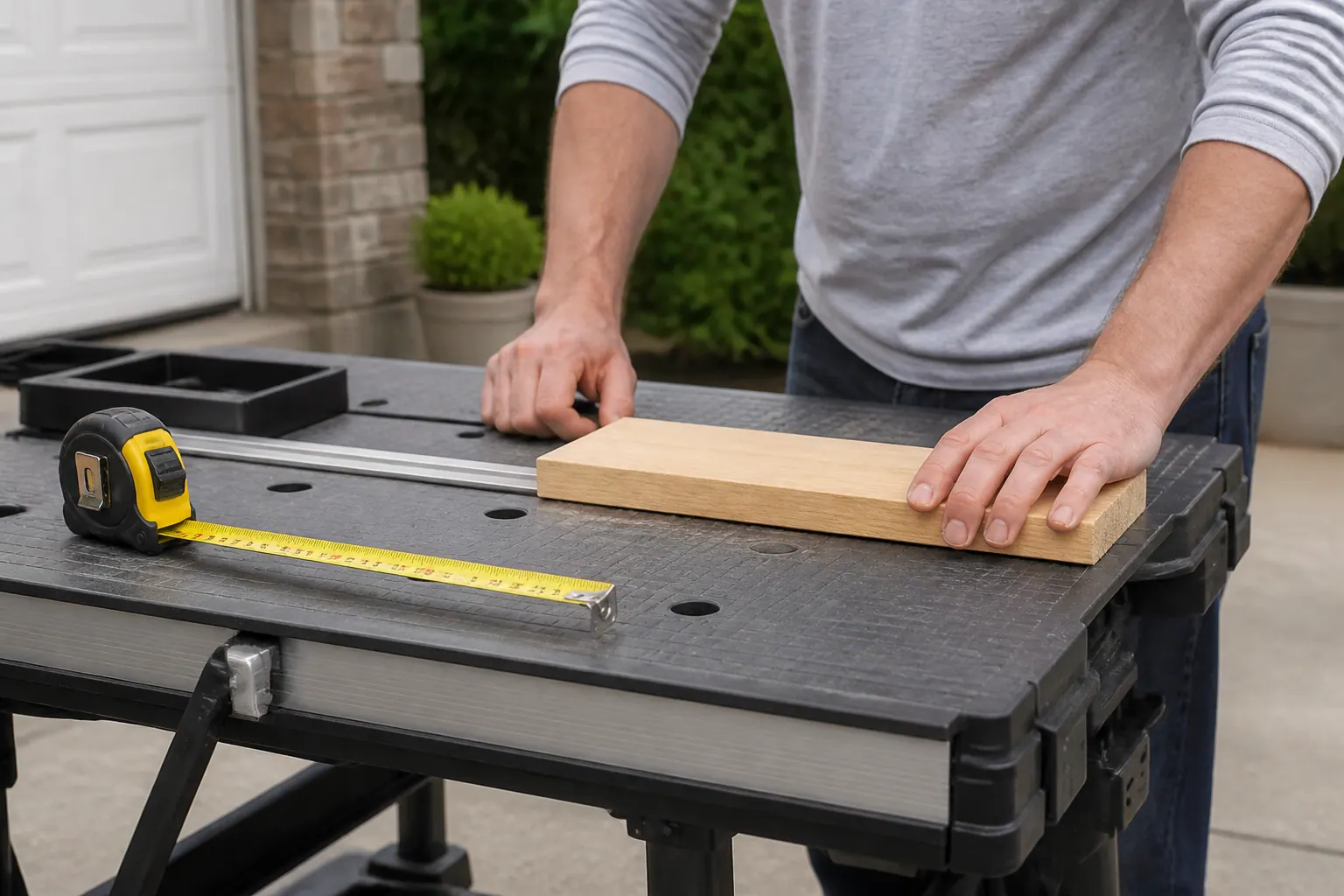
In Earls Court residential buildings, wear and functional decline rarely happen suddenly. Instead, they develop gradually as part of progressive household system fatigue in occupied environments, where continuous use of doors, fixtures, surfaces, and internal fittings slowly reduces efficiency across multiple areas of the property.
One of the earliest indicators appears in door movement and alignment. In hinge-based mechanical fatigue in residential entry systems, repeated opening and closing causes incremental stress on hinges, screws, and frames. Over time, this results in subtle changes such as uneven closing pressure, slight scraping, or reduced smoothness in operation.
Wall surfaces are also affected through everyday interaction. In incremental contact abrasion in interior wall systems, repeated furniture movement, decoration changes, and general household activity lead to the formation of small dents, marks, and surface inconsistencies. These changes build slowly and often become more visible under direct lighting or during property inspection.
Mounted furniture and installed fixtures can experience gradual structural drift. In load redistribution imbalance in fixed household installations, shelves, cabinets, and wall-mounted units may slowly shift from their original position due to uneven weight distribution or prolonged stress on anchor points. This can lead to visible tilting or reduced fixture stability.
Electrical touchpoints may also show subtle changes in responsiveness. In long-term contact degradation in domestic electrical interfaces, switches and sockets can begin to respond inconsistently due to internal wear, repeated usage cycles, or minor connection fatigue that builds up over time.
Bathrooms and kitchens experience material changes due to constant moisture exposure. In humidity-driven surface and joint weakening in wet environments, sealants, grout lines, and fixture edges may slowly degrade due to repeated exposure to steam, water, and cleaning agents, leading to early signs of deterioration around key areas.
When combined, these individual factors contribute to multi-zone residential performance decline patterns, where the property remains functional but begins to show multiple minor inefficiencies that affect usability, comfort, and visual consistency across different rooms.