
Collection sample
Measure representative tall, deep and heavy volumes, plus a full shelf length.
BOOK COLLECTIONS · SHELF SPANS · READING LIGHT
A Coney Hall book collection can outgrow freestanding cases and ad-hoc shelves. The right brief starts with book sizes, approximate weight, retrieval frequency and the room’s daylight rather than treating every shelf as decorative.
ADDRESS CONTEXT, REAL HOME
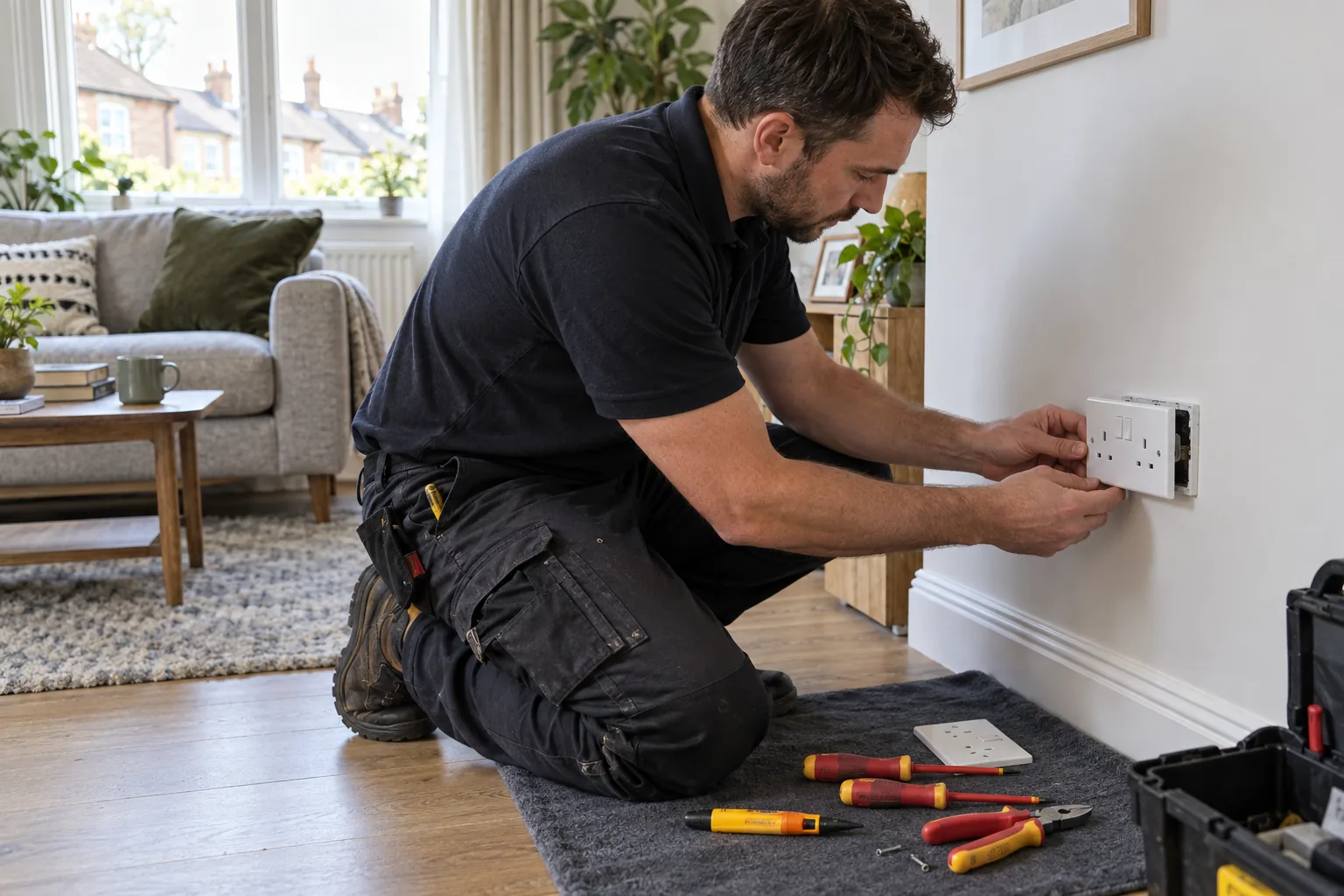
Bromley’s Local Plan and conservation maps provide address-specific planning context across the borough. They do not identify a wall substrate or the weight of one Coney Hall collection. Sort books by height, depth and frequency before selecting furniture. Measure a representative full shelf rather than an empty board. Mark radiators, vents, switches, sockets, windows and the route used with a box. Valuable, fragile or archival material may need specialist conservation advice; ordinary domestic books still need stable, appropriately loaded storage.
PREPARE THE USEFUL DETAIL
A useful brief connects operation, dimensions, authority and handover.
Measure representative tall, deep and heavy volumes, plus a full shelf length.
Plot proposed spans, brackets, skirting, sockets, radiators and no-fix service zones.
Record when direct sun reaches the intended shelves and for how long.
Reach the highest regular volume without climbing on furniture or pulling several books at once.
LABOUR-RATE ESTIMATE
Choose task count and duration using Bob’s published weekday rates. Materials, parking, permissions and specialist work are outside the automatic estimate.
MAKE THE METHOD TESTABLE
Build one trial shelf with representative books only after the product, substrate and fixing method are confirmed. Mark the loaded length and observe deflection within manufacturer guidance. Deep art books may project beyond a shallow shelf and alter both load and circulation. Place frequently used titles between comfortable knee and shoulder height, with occasional lightweight volumes higher where safe. Leave room to grip a book without scraping its spine against the shelf above. Do not pack around a radiator or cover ventilation simply to gain one more row.
A BOUNDED SEQUENCE
Sort volumes by dimensions, weight and retrieval frequency.
Draw spans, supports, services and daylight exposure.
Load one representative shelf gradually and inspect.
Record shelf codes so the collection can be returned consistently.
WHY THE PREPARATION MATTERS
Real volumes replace a generic decorative shelf size.
Each level keeps its product and capacity information.
Regular titles sit within usable reach and clear circulation.
TEST THE ROUTINE
Create a shelf-span worksheet for every level. Record clear span, board thickness, support type, fixing system and intended load category. Add a photograph after representative loading. Do not quietly move heavy books to a level documented for light paperbacks. If a shelf begins to bow, unload it and reassess rather than adding a central bracket without checking the whole design. Keep the worksheet inside a labelled folder near the collection.
LEAVE A USEFUL RECORD
Use book dummies cut from cardboard for the tallest, deepest and widest volumes. Place them on the proposed elevation and test door, curtain and chair movement. A deep lower row can catch a knee beside a reading chair even when the wall measurement works. Mark the cleaning route as well; shelves pressed into a corner may leave a dust gap that cannot be reached without unloading the entire bay.
ONE FINAL PRACTICAL CHECK
Plan unpacking as a controlled sequence. Move boxes to the destination in small batches, keep aisles open and load lower stable shelves first. Do not stack cartons against the new case or exceed safe manual handling. Photograph any transit damage to valuable volumes before shelving and keep them isolated for appropriate care. The final index should note empty capacity so future additions do not immediately exceed the tested arrangement.
CONEY HALL QUESTIONS
Weigh or conservatively estimate a representative full shelf and use the product and fixing guidance; do not rely on book count alone.
Only with appropriate clearance, heat and airflow consideration; another wall or freestanding solution may be better.
Measure the largest real volumes, including safe finger clearance, rather than choosing a standard depth.
Persistent light can damage material; record daylight and seek collection-care advice for valuable or fragile items.
Do not plan routine retrieval by climbing on furniture. Keep frequent items within a safe comfortable zone.
Use a simple wall letter and level number, then keep a paper or digital index the household can maintain.
NEARBY COVERAGE
See nearby handyman coverage in Beckenham.
Review household maintenance around Hayes.
Plan property tasks in Addington.
PREPARE THE CONEY HALL BRIEF
Send the exact-address context, collection sample, daylight diary, wall elevation and shelf-span worksheet. Bromley’s borough guidance supplies local planning context, while the real books control this Coney Hall brief. Bob’s can review authorised shelving or modest carpentry with archival care, fixed electrical and uncertain structural matters kept separate.