
Arrival slot
Record vehicle limits, loading point, porter contact, sign-in and lift booking.
SECURE ENTRY · OCCUPIED PREMISES · TIMED HANDOVERS
Charing Cross sits in a dense WC2 setting where homes, offices, shops, hotels and listed fabric can share a short street. A reliable visit begins with security, loading, working hours and the precise private area authorised for work.
LOCAL CONTEXT, INDIVIDUAL BUILDING
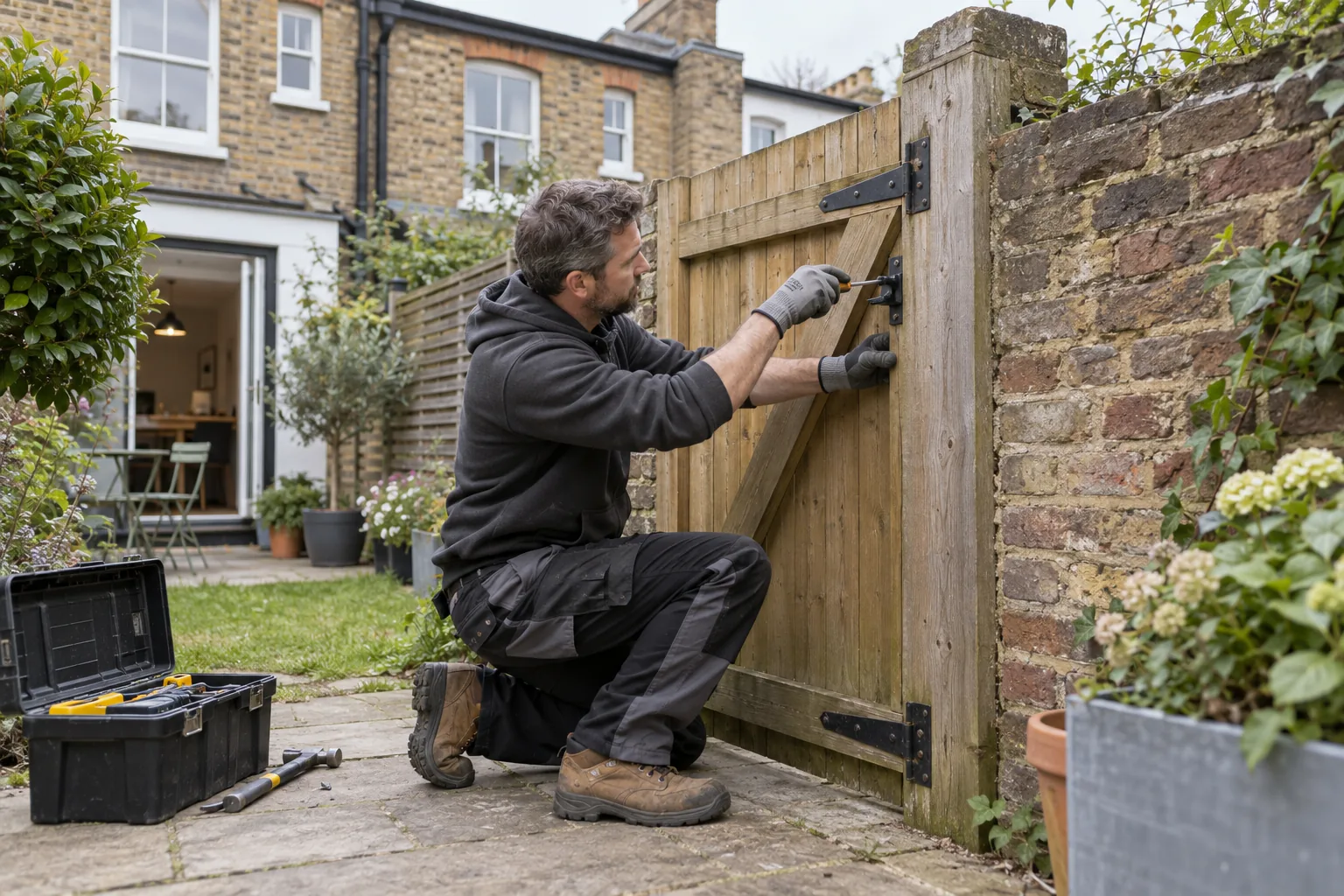
Westminster publishes conservation-area and listed-building information for these districts, while Trafalgar Square and surrounding streets contain nationally important public spaces and buildings. Those facts do not mean every internal task needs the same consent. The exact address, listing, lease and ownership must be checked. For occupied premises, define the private room, the public or staff route, security sign-in and the moment when noise is acceptable. A tool should never arrive before the person able to authorise a changed position.
PREPARE THE REAL CONSTRAINTS
Useful preparation links evidence, authority, access and expected operation.
Record vehicle limits, loading point, porter contact, sign-in and lift booking.
Mark barriers, customer or guest routes and where tools may be left securely.
Identify the manager who can approve each disruptive stage at the scheduled time.
Exclude listed, decorative or uncertain fabric until the exact proposal is cleared.
LABOUR-RATE ESTIMATE
Choose task count and duration using Bob’s published weekday rates. Materials, parking, permissions and specialist work are outside the automatic estimate.
MAKE THE EVIDENCE USABLE
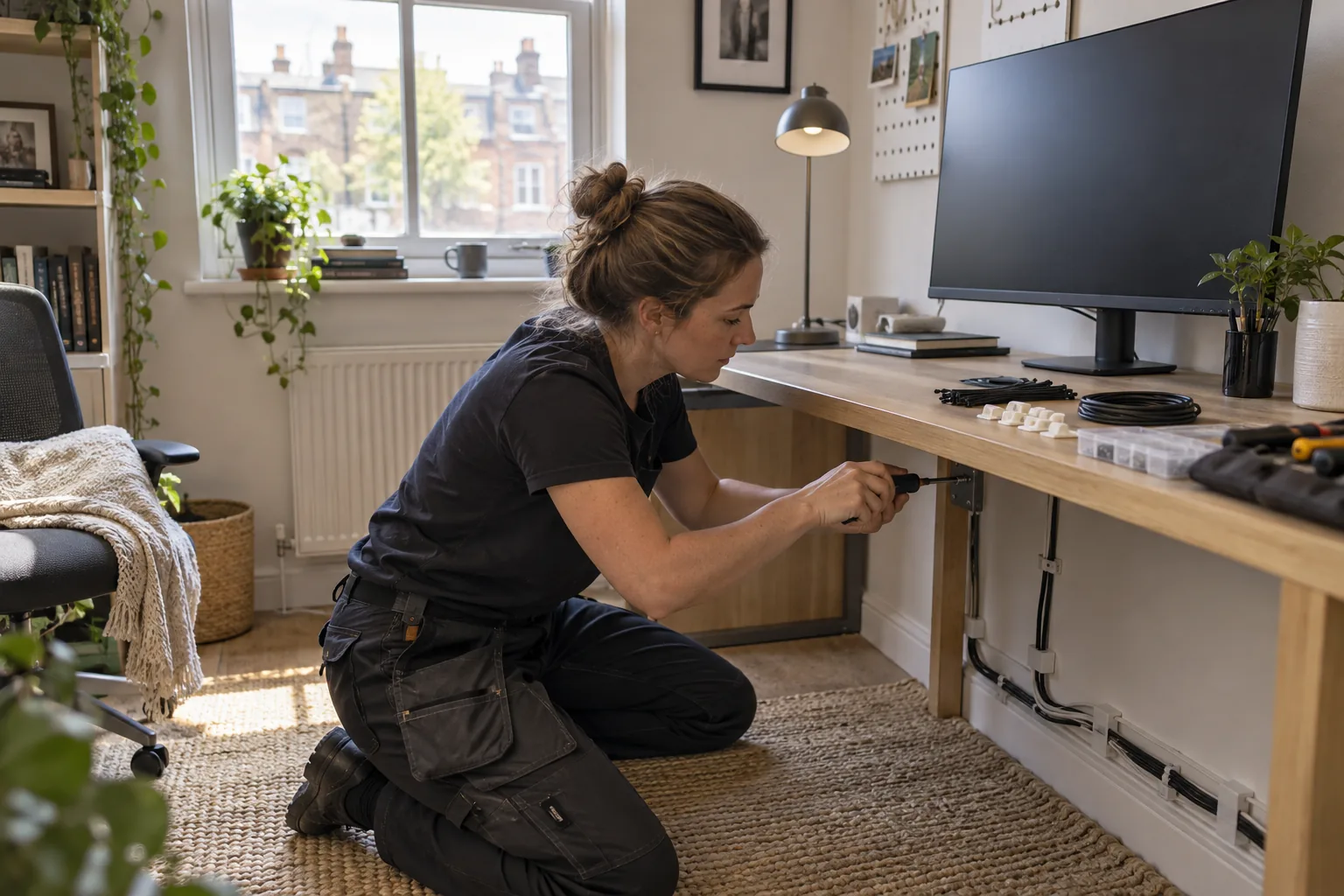
Write a minute-by-minute arrival card: contact call, loading access, sign-in, lift, protection, tool station and release to begin. Add a fallback instruction if the loading bay or authorised room is unavailable. Do not transfer equipment through a public route without the agreed controls. Inside, use item codes and a plan that distinguishes tenant-controlled surfaces from base-build or shared assets. When an unexpected substrate or decorative layer appears, stop that item and switch only to another task that is already authorised.
A CONTROLLED SEQUENCE
Confirm access, contact, loading and permitted hours.
Protect the route and isolate the occupied work area.
Obtain the named person’s approval for disruptive stages.
Count tools, reopen circulation and sign off item codes.
WHY THE BRIEF MATTERS
A named contact controls entry and changes.
Tools and materials remain inside the agreed zone.
Circulation, security and item records are restored before departure.
TEST THE PRACTICAL ASSUMPTION
Use a two-key change system. The site contact holds authority for room access and operating disruption; the task owner holds authority for product position and finish. If either changes, record the revised decision before continuing. This prevents a porter granting design approval or a tenant directing work on base-build fabric. Add mobile numbers, but keep the final acceptance in the item record. In a short timed slot, clarity about who decides is often more valuable than adding another loosely described task.
DEFINE THE HANDOVER
Create a controlled key and asset register before entry. List access cards, cupboard keys, alarm fobs, remote controls and any item temporarily moved from the working zone. Record who issued each one and when it was returned. Photograph equipment serial labels only with the site contact’s permission and avoid capturing confidential screens or papers. At closure, reconcile the register before protection is removed. This makes a short central visit auditable without expanding the physical scope.
A FINAL PRACTICAL TEST
Use tamper-evident numbered bags for temporarily removed specialist screws, keys or small fittings where the premises requires a formal chain of custody. Record the seal number and recipient at handover. Keep visitor passes separate from physical keys and never photograph access credentials. This procedure is useful in a busy WC2 building where several contractors or shifts may use the same back-of-house area.
DOCUMENT THE OPERATING METHOD
Prepare a communications card for a building with weak reception or multiple security desks. List the internal extension, radio call sign if supplied, meeting point and escalation contact. Add the exact phrase used to identify the private work zone without exposing tenant or guest information. Agree how a fire alarm, evacuation or security incident pauses the appointment. A concise card prevents urgent instructions being lost between reception, porter and room contact.
CONTROL THE FINAL COUNT
Create an equipment manifest with numbered cases, battery count and the room where each item is authorised. Scan or tick the manifest at entry, before moving floors and at departure. Separate hired equipment and record its return owner. If a case cannot be reconciled, keep the protected zone closed while it is located. This procedure avoids a small tool being discovered later in a guest, customer or staff area.
SPECIALIST ROUTINE CHECK
Prepare an audiovisual isolation sheet before moving a screen, speaker or conference unit. Photograph rear connections with permission, label each cable at both ends and record the input used. Do not disconnect network, fire, security or building-control equipment. Place remote controls and proprietary adapters in a numbered pouch. After the furniture task, restore cable strain relief, power up only the authorised devices and ask the named operator to verify sound, image and source selection.
CHARING CROSS QUESTIONS
Provide the building’s permitted window, access contact and noise restrictions so the scope can be assessed.
Use only the secure protected zone approved by the site contact, never an escape or customer route.
No. Check the exact address, listing, lease and proposed surface before assuming a control.
Use the agreed fallback or pause; do not accept a changed position from someone without authority.
Confirm vehicle restrictions, loading duration, porter or lift booking, package route and secure destination.
Count tools and parts, test completed items, remove protection and have the responsible contact confirm circulation and security.
NEARBY COVERAGE
See nearby handyman coverage in St James’s.
Review property maintenance around Mayfair.
Plan interior tasks in Marylebone.
PREPARE THE CHARING CROSS BRIEF
Send the exact address, listing and lease checks, operating timetable, access card, item plan and named decision makers. Westminster’s heritage information is context, not blanket permission or prohibition. Bob’s can assess the bounded private-space list while structural, listed, communal and public-realm matters remain with the appropriate authority.