
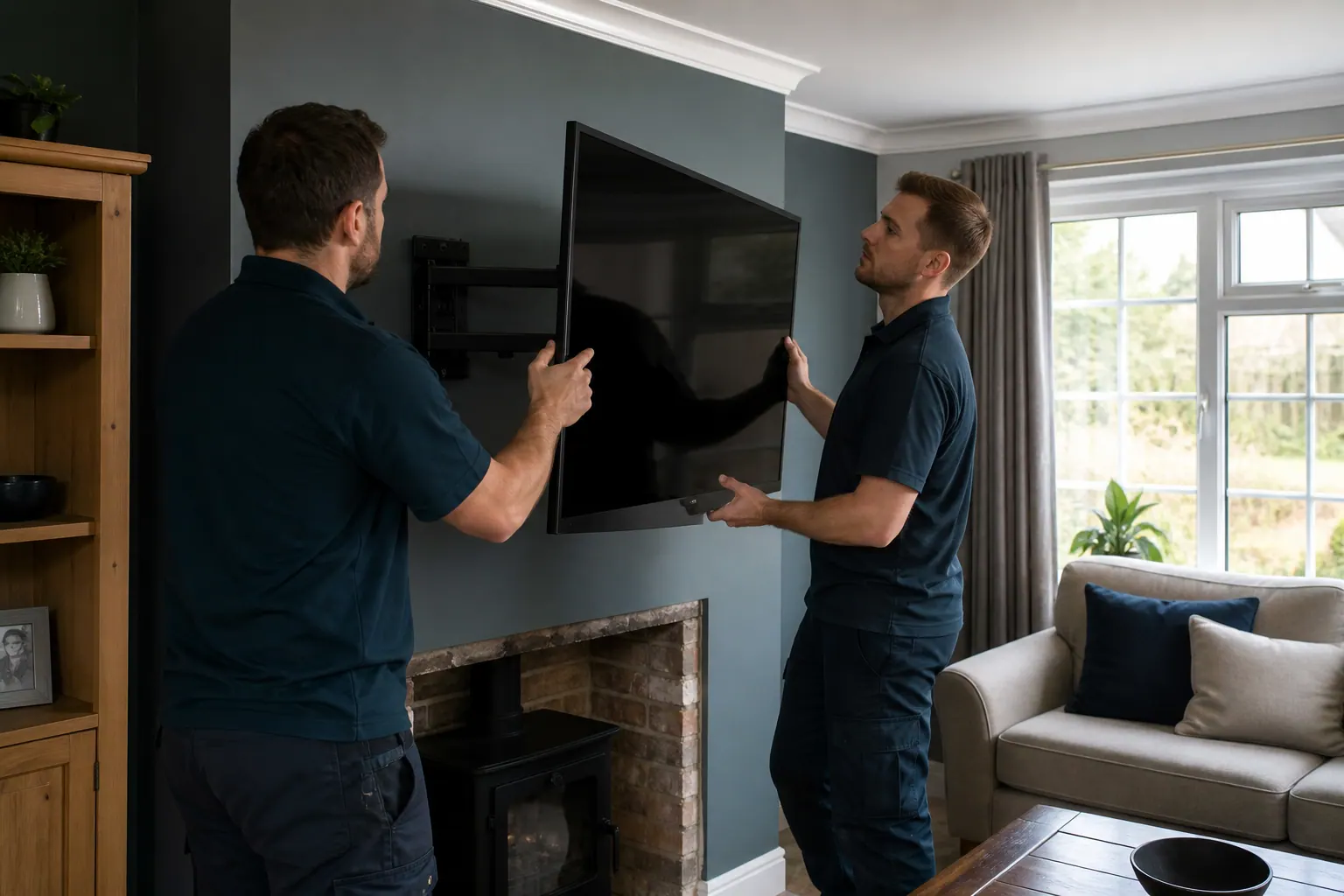
Keep sound material and replace only what has failed

Repair-Led Handyman Work in Camberwell

Camberwell’s terraces, tenements, flats and commercial frontages reward a repair-first eye. The useful question is not “can it be covered?” but which component failed, what still works and what should remain untouched.

  • Failed component isolated before replacement
  • Original material retained when serviceable
  • Measurements taken before parts are ordered
  • Visible changes checked against property controls
Handyman examining traditional door hardware in a London home
Camberwell property focus
15+ years of experience
London and M25 coverage
One accountable team

PROPERTY DECISIONS

Name the failed component before naming the new product and Create a small parts table for mixed repair lists

01

Name the failed component before naming the new product

A cupboard that will not close may have a loose hinge, distorted carcass, swollen door or failed catch. A sash that rattles is not automatically a complete replacement window. Start with movement: what should happen, what happens instead and when it changed. Photograph the full item, its connection points and any worn or broken piece beside a ruler. Keep detached hardware. Its dimensions, handedness and wear pattern can guide a compatible repair. Avoid buying a replacement because the finish looks similar; spindle length, fixing centres, load and material matter. If the surrounding timber or board has failed, changing the metal component alone may not hold. Repair-led scoping preserves sound material, produces less disruption and reveals honestly when the remaining structure no longer supports a minor intervention.
02

Create a small parts table for mixed repair lists

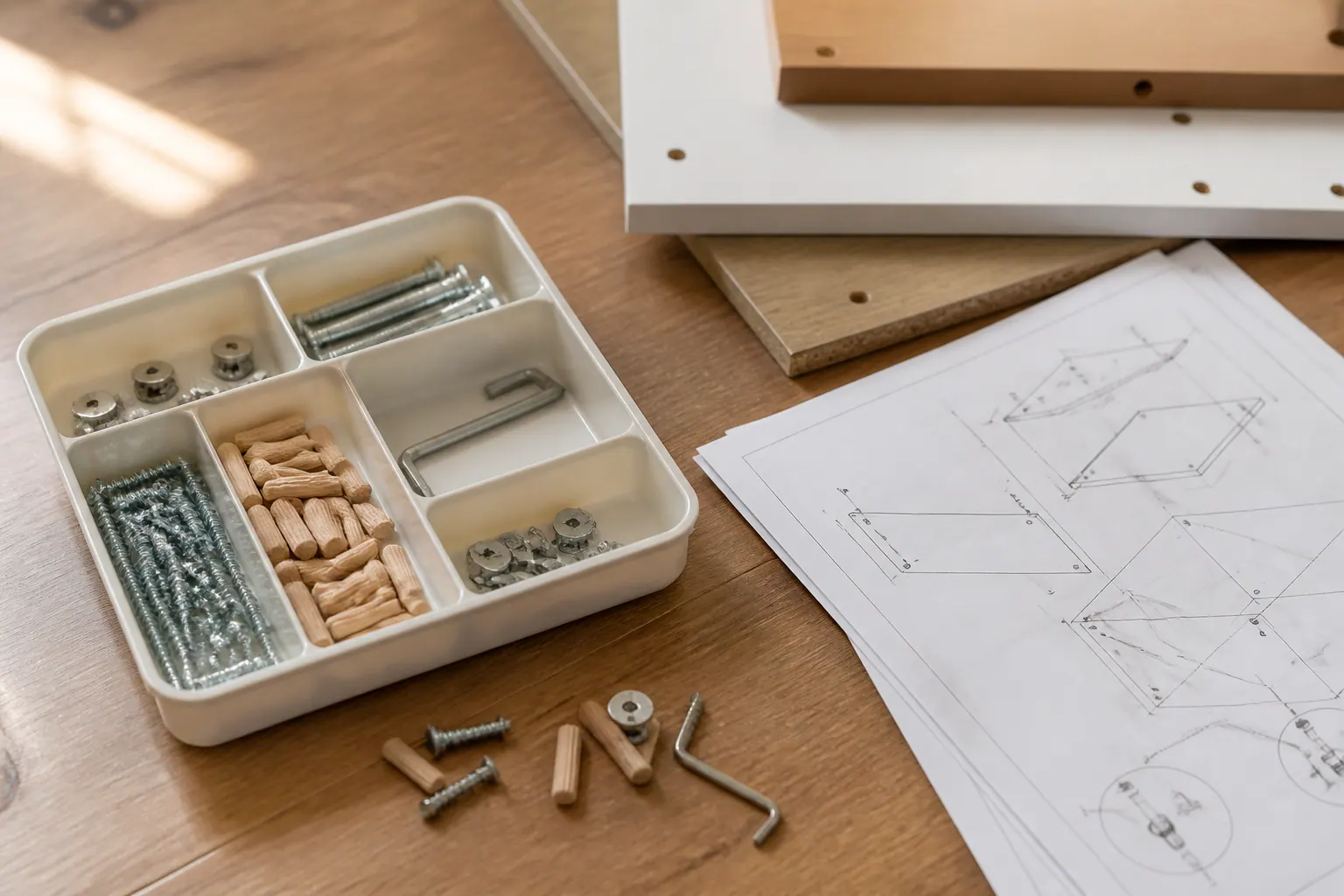
Put every suspected replacement in a simple schedule: item, room, photograph, key measurements and who will supply it. For handles, include centres and spindle details. For hinges, show leaf dimensions, thickness and screw pattern. For drawer runners, record length and side or base mounting. For sealant, identify both adjoining surfaces and normal water exposure rather than choosing by colour. Do not discard packaging until fit and operation are confirmed. If a part is obsolete, agree whether the priority is visual match, exact operation or minimal alteration to surrounding material. This table lets the repair be assessed before the visit and prevents a bag of approximate parts becoming the plan. It also leaves a useful record if a second matching component is needed later.

03

Separate an internal repair from a visible frontage change

Camberwell Green’s conservation character includes commercial buildings and detailed upper storeys. A repair inside a shop or flat is not the same as altering a sign, window, external door or visible fitting. Establish which face of the building is involved and who has authority. A tenant’s permission may not cover the freeholder’s frontage, and planning controls can apply in addition to ownership consent. Even where the task is maintenance, using a noticeably different profile or finish can change appearance. Photograph the wider elevation before specifying a part. For security shutters, glazing, structural frames or electrical signs, use the appropriate specialist route. This boundary keeps ordinary handyman work focused and prevents a small internal booking from drifting into uncontrolled exterior alteration.

SCOPE AND ACCESS

Run the visit as a sequence of inspect, test and retain

Clear access to each item without removing every possession from the room. At the first inspection, compare the reported fault with normal movement and verify any supplied component. Protect the surface before dismantling. Remove only what is necessary and keep screws or spacers grouped by item. Test a repair before final tightening or making good, then operate it several times under ordinary load. Do not fill access points until the mechanism has proved stable. Photograph a hidden repair if future maintenance would otherwise require fresh investigation. Return useful spare pieces, keys and manufacturer information to the owner. If the substrate is too damaged or the component is incompatible, stop with the item safe and describe the next requirement. This bench-like discipline is slower than swapping random parts, but it avoids losing evidence and creating secondary damage.

Discuss your property requirementsCall 020 3137 9380
Cabinet hinge and timber joint laid out for careful repair

CAMBERWELL PROPERTY NOTES

Use door and cabinet gaps as diagnostic clues

The shape of a gap can say more than the scuffed edge. Photograph a door closed from both sides, then show hinges, latch and the gap at top, sides and threshold. Note whether it changes with rain or heating. For cabinets, unload a sagging shelf or drawer before forcing it; weight and runner alignment may be contributing. Older joinery may have settled into a frame that is not perfectly square, so achieving reliable operation can be more appropriate than imposing visually equal gaps everywhere. Paint build-up, loose screws and distortion require different responses. Trimming should follow hinge and moisture checks, not precede them. Where original profiles or visible ironmongery contribute to a protected interior, a compatible repair or retained component may be preferable to generic replacement.

FINISHING AND HANDOVER

Use measurements to choose the booking length and Match the route to the part that has failed

01

Use measurements to choose the booking length

A repair list with identified components and accessible work areas is more predictable than a collection of unexplained faults.

02

Match the route to the part that has failed

Furniture repair suits failed joints, hinges, runners and structural issues within movable pieces. Door repair focuses on leaves, frames, locks and hardware in their openings. Carpenters are appropriate where new timber must be formed or substantial built-in joinery altered. Cabinet painting changes the finish but should follow stable repairs and proper preparation. Locksmith work is the route for lock faults and security function rather than a cosmetic handle change. Odd jobs can combine several modest, independent adjustments once each component and desired outcome is clear. Supplying measurements at the outset helps distinguish these services and avoids booking decoration when the problem is mechanical.

PRICING

Pricing based on the agreed Camberwell job scope

The quotation reflects the task, access, expected time and materials. Photographs and measurements help establish what can be priced before the visit and what first needs inspection.

Handyman labourFrom the published rate
MaterialsAgreed for the job
Additional workApproved before it starts

Parking, congestion and unusual access requirements are discussed where they affect the quotation.

NEARBY COVERAGE

Handyman areas near Camberwell

CAMBERWELL HANDYMAN FAQ

Questions about planning handyman work in Camberwell

Can an old Camberwell door be adjusted without replacing it?

Often, depending on hinge condition, frame movement, moisture and damage. Full-door photographs help distinguish adjustment from larger joinery work.

Should I buy cabinet hinges before the visit?

Only when type, overlay, cup size, fixing pattern and door condition are known. Retain the old hinge for comparison.

Can a cracked furniture panel take a larger screw?

A larger screw is not a reliable answer when the surrounding board has broken. The material and load need assessment.

Can a shopfront handle be changed as an odd job?

Ownership, security function, appearance controls and door construction must be checked; some frontage or lock work needs a different route.

Why keep removed screws and fittings?

They show dimensions, thread, spacers and wear, and can help identify a correct replacement even when no model information exists.

Can cabinet doors be painted during the same repair?

Possibly only when repairs are stable and the required preparation, drying and finish scope are realistic. Cabinet painting is usually planned as its own service.

PLAN THE VISIT

Send the Camberwell component evidence first

Photograph the whole item, the failed connection and any detached part beside a measure. We can assess whether adjustment, a compatible component or a different service is the sensible next step.

Call 020 3137 9380Get a quote