
One agreed brief keeps shared rooms usable and decisions clear

Handyman Repairs That Fit a Busy Tooting Household

Tooting homes are often used intensively by families, sharers and tenants with different routines. Minor repairs become easier when one person coordinates access and every user understands what will move, what will be unavailable and what must stay untouched.

  • One contact authorised to confirm practical decisions
  • Shared rooms cleared only for the agreed period
  • Noise and dust planned around the household
  • Unfinished items left safe between visits
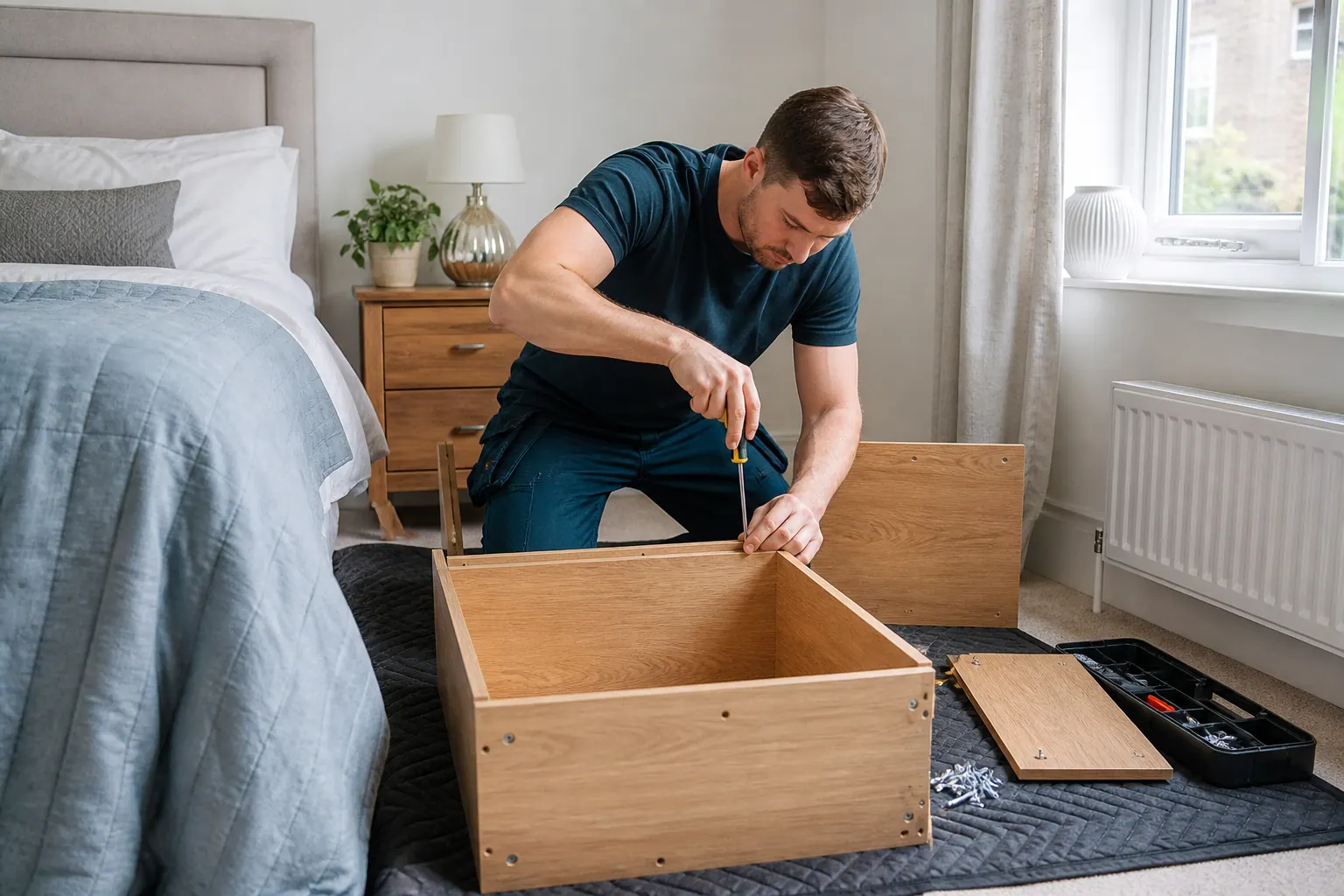
Household coordinator discussing a shared-room repair list with a handyman
Tooting property focus
15+ years of experience
London and M25 coverage
One accountable team

PROPERTY DECISIONS

Use a visible handover board for multi-day work and Design short work windows around complete mini-stages

01

Use a visible handover board for multi-day work

A sheet inside a cupboard door can list the day’s completed items, the area that must stay clear and the next decision required. Avoid displaying personal phone numbers or access information. Label removed parts in bags and note which appliance, door or fitting they belong to. If another resident returns after the operative has left, the board should explain why a cupboard is empty or a finish cannot yet be touched. Photograph the record at each handover. This is especially useful when working hours are split around shifts. It does not replace formal certificates or landlord records; it simply keeps household-level information accurate. Once the work is finished, transfer useful product and colour references to the property file and remove the temporary board.
02

Design short work windows around complete mini-stages

A two-hour access period should finish at a stable point, not halfway through dismantling. Choose tasks that can be inspected, prepared, completed and checked within the available window. Do not open several areas merely to appear busy. Materials should be on site and verified before the room is cleared.

03

Treat noise and dust as shared-house decisions

Drilling, sanding and trimming affect people beyond the working face. Agree a suitable period and check building rules, neighbours and home-working commitments. Close doors where safe, use extraction suited to the task and protect nearby food, textiles and electronics. Smoke or dust alarms must not be disabled casually; any temporary arrangement needs agreement and prompt reinstatement. A quieter task such as measuring or assembly can sometimes be scheduled separately from drilling. If the building fabric contains an unknown coating or board that may require hazardous-material advice, stop before disturbance. Cleaning belongs to the work sequence, but residents should remove valuable or sensitive objects themselves. A defined noisy period is easier to accept than unpredictable bursts throughout the day.

SCOPE AND ACCESS

Make an unfinished state obvious and safe

Sometimes a missing component, hidden defect or specialist referral prevents completion. Do not leave a door leaning unsecured, an open panel within reach or loose hardware mixed with household items. Isolate the immediate hazard within the limits of the brief and state clearly what must not be used. Photograph the condition and label retained components without creating an impression that a temporary measure is permanent. Agree who will order the correct part and who will arrange the next access. Fixed electrical, gas, fire-safety, structural and substantial plumbing matters remain with their competent routes. A shared home needs one message that every resident can understand; contradictory private explanations are easily lost between shifts.

Discuss your property requirementsCall 020 3137 9380
Labelled parts schedule and room handover note beside neatly stored tools

TOOTING PROPERTY NOTES

Choose one coordinator without excluding the other users

A resident who books the visit should collect practical needs before the appointment. Ask who uses the room, which belongings can move and which times must remain quiet. Record landlord or freeholder approval where required. The coordinator can confirm positions and finishes, but should not guess another tenant’s consent or dispose of shared items. A photograph marked with proposed locations is easier for everyone to review than a long message thread. In a kitchen, identify each person’s storage before moving a rail or shelf. In a hall, preserve the route used by cycles, pushchairs or mobility equipment. This simple governance prevents an operative receiving contradictory instructions and makes the completed arrangement work for the household rather than only the person who happened to be present.

FINISHING AND HANDOVER

Close the job with instructions for ordinary use

01

Close the job with instructions for ordinary use

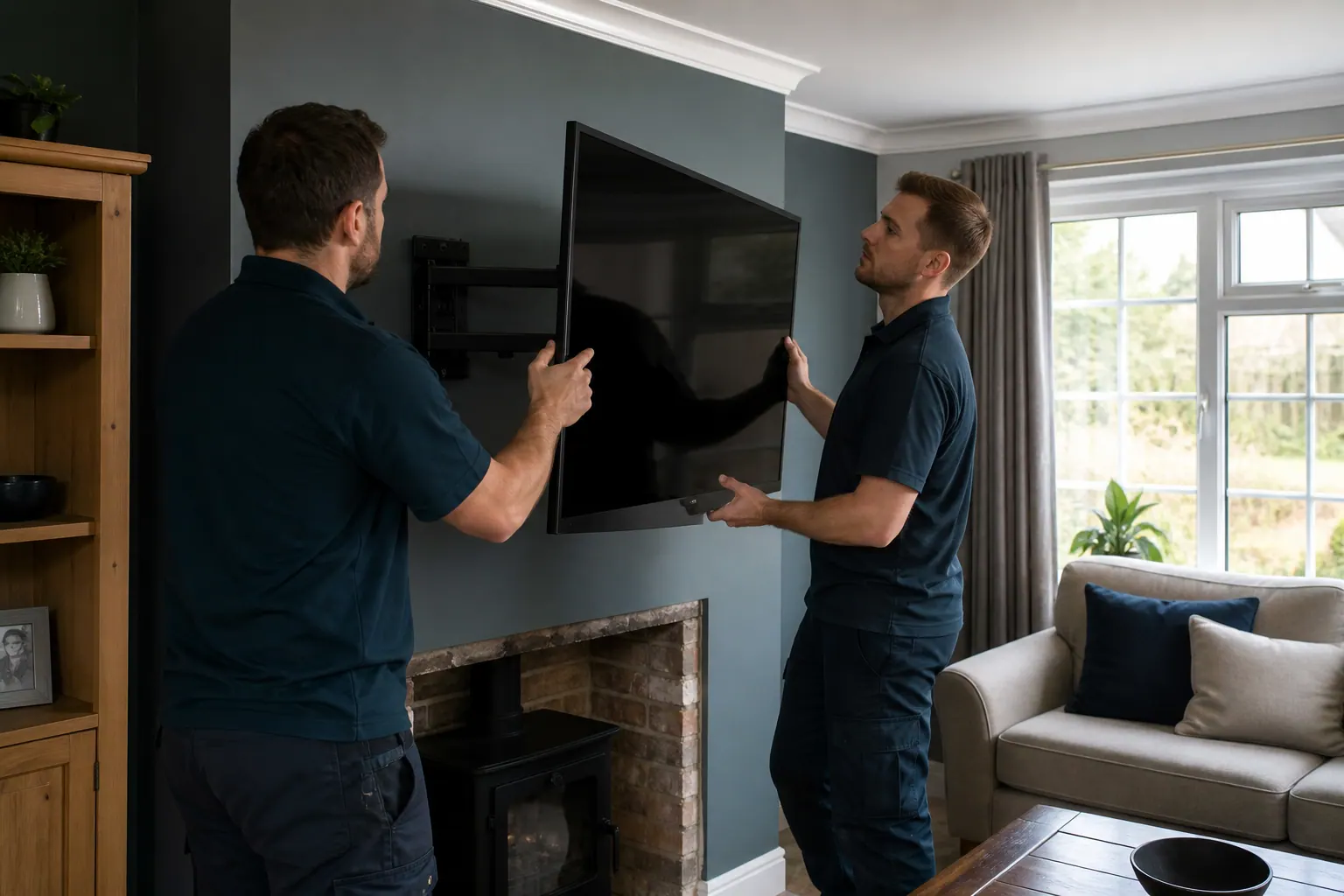
The final note should identify what changed, any load or cleaning limit and the location of spare parts. Show each regular user how a folding bracket, child-resistant catch or adjustable fitting operates. Confirm that shared doors latch, circulation remains clear and furniture is stable. Keep conservation and ownership approvals with the property record where visible fabric was involved; Tooting includes areas with specific character guidance, so the address matters more than a general district label. Relevant Bob’s pages include odd jobs, furniture assembly, door repair, shelf installation and TV mounting, while the prices page explains booking options. A useful closing note is short enough to read and specific enough to prevent the same fitting being misused the following week.

PRICING

Pricing based on the agreed Tooting job scope

The quotation reflects the task, access, expected time and materials. Photographs and measurements help establish what can be priced before the visit and what first needs inspection.

Handyman labourFrom the published rate
MaterialsAgreed for the job
Additional workApproved before it starts

Parking, congestion and unusual access requirements are discussed where they affect the quotation.

NEARBY COVERAGE

Handyman areas near Tooting

Balham

See the dedicated property-maintenance page for Balham.

View Balham →

TOOTING HANDYMAN FAQ

Questions about planning handyman work in Tooting

Who should approve positions in a shared Tooting home?

Choose one coordinator, but obtain the consent and landlord or freeholder permissions relevant to the shared room and building fabric.

Can a handyman visit be split around shift work?

Yes when each period has a complete safe stopping point and access, materials and decisions are prepared in advance.

How can drilling be planned around home working?

Agree a defined noisy window and group drilling together, leaving quieter measuring or assembly for another period.

What should happen to removed screws and fittings?

Bag and label them by item, record any part retained for matching and keep them away from general household storage.

Can an incomplete repair be left until a part arrives?

Only in a safe, clearly explained condition with restricted use, responsibility and the next access arrangement recorded.

Do conservation controls apply across all of Tooting?

No. Check the exact address and Wandsworth guidance before changing visible doors, windows or other external details.

PLAN THE VISIT

Give the Tooting household one clear repair plan

Share the agreed contact, room schedule, quiet periods and photographs. Bob’s can arrange suitable tasks around a controlled household handover.

Call 020 3137 9380Get a quote