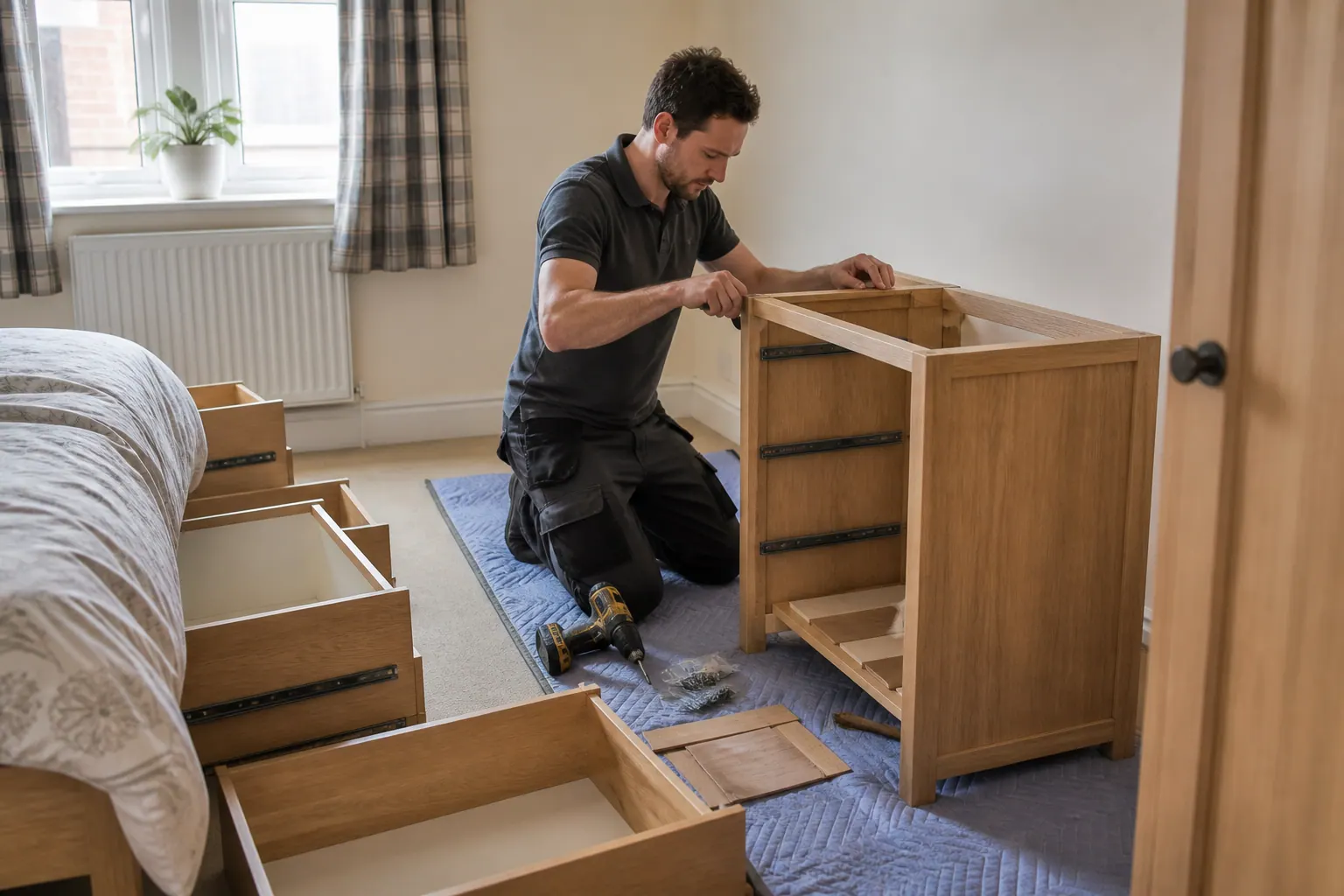
Handyman work in Streatham is often carried out in fully occupied homes where repair access, furniture positioning, and room layout all influence how work is completed, making a structured property repair scheduling workflow important for managing tasks efficiently without unnecessary disruption to the household.
Most visits begin with a detailed assessment of how the issue developed rather than focusing only on the visible damage. In many properties, faults are linked to long-term movement, repeated strain, or ageing materials rather than a single breakage event. This forms part of a cause-based repair evaluation process, where understanding why the issue developed helps prevent the same problem returning later.
Door-related repairs are usually approached through alignment testing rather than immediate replacement. In Streatham’s older homes, doors often shift due to uneven flooring, frame expansion, or loose hinge points that develop slowly over time. Correcting these issues may involve hinge repositioning, latch adjustments, or controlled trimming during a multi-surface door balancing repair, especially where older wooden frames are involved.
Installation work in kitchens and utility spaces follows a different sequence because appliance access often affects surrounding fixtures and cabinetry. Integrated appliances may need surrounding panels removed or repositioned before safe fitting can begin, particularly in compact flats where space is limited. This forms part of a restricted-access appliance fitting procedure, where layout planning becomes essential for safe installation.
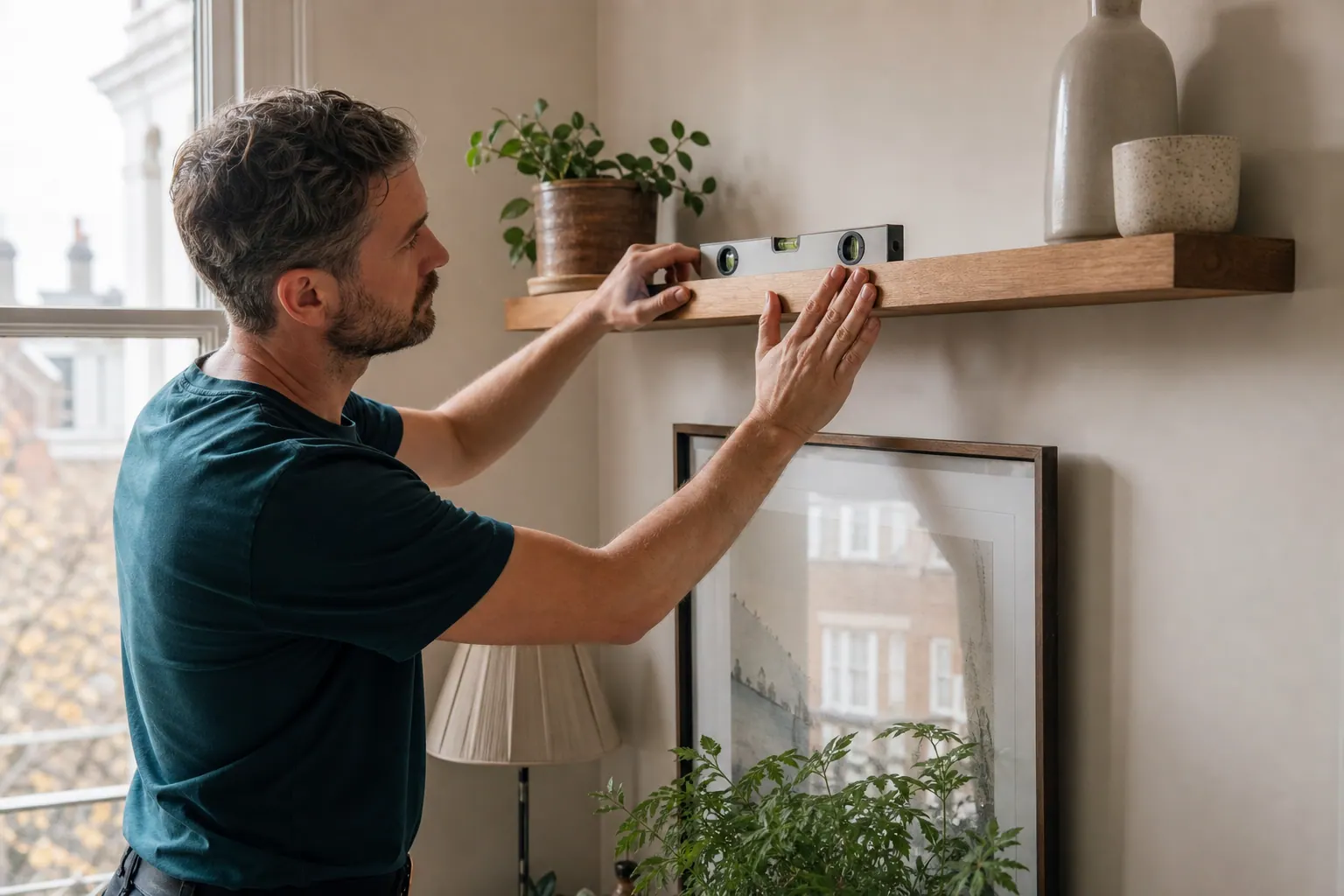
Wall-mounted items such as shelving units, televisions, mirrors, and storage systems also require careful preparation depending on the wall structure involved. Older plaster surfaces and partition walls may not safely support standard fixings, so reinforcement methods and anchor selection are adjusted during a surface-condition mounting assessment, particularly in converted properties where wall materials vary between rooms.
Electrical and repair tasks are usually coordinated to reduce repeated disruption within the property. In many homes, multiple small maintenance issues are grouped together during a single visit so adjustments, fittings, and operational checks can be completed more efficiently through a combined household repair coordination service.
Before work is completed, all adjusted fixtures, doors, mounted items, and fitted appliances are tested under normal operating conditions to ensure stability, alignment, and functionality remain consistent during everyday use. This forms part of a post-installation operational review, ensuring repairs perform reliably after completion rather than only appearing visually corrected.