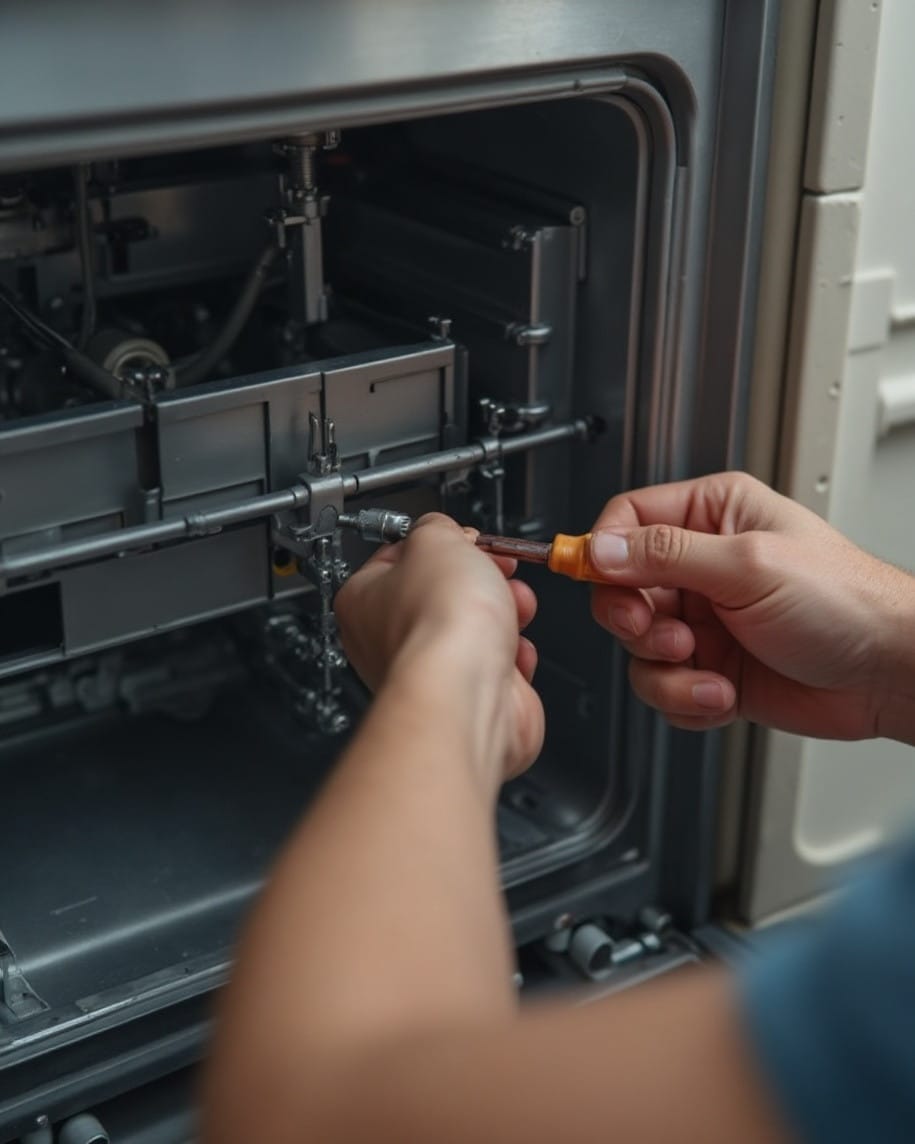
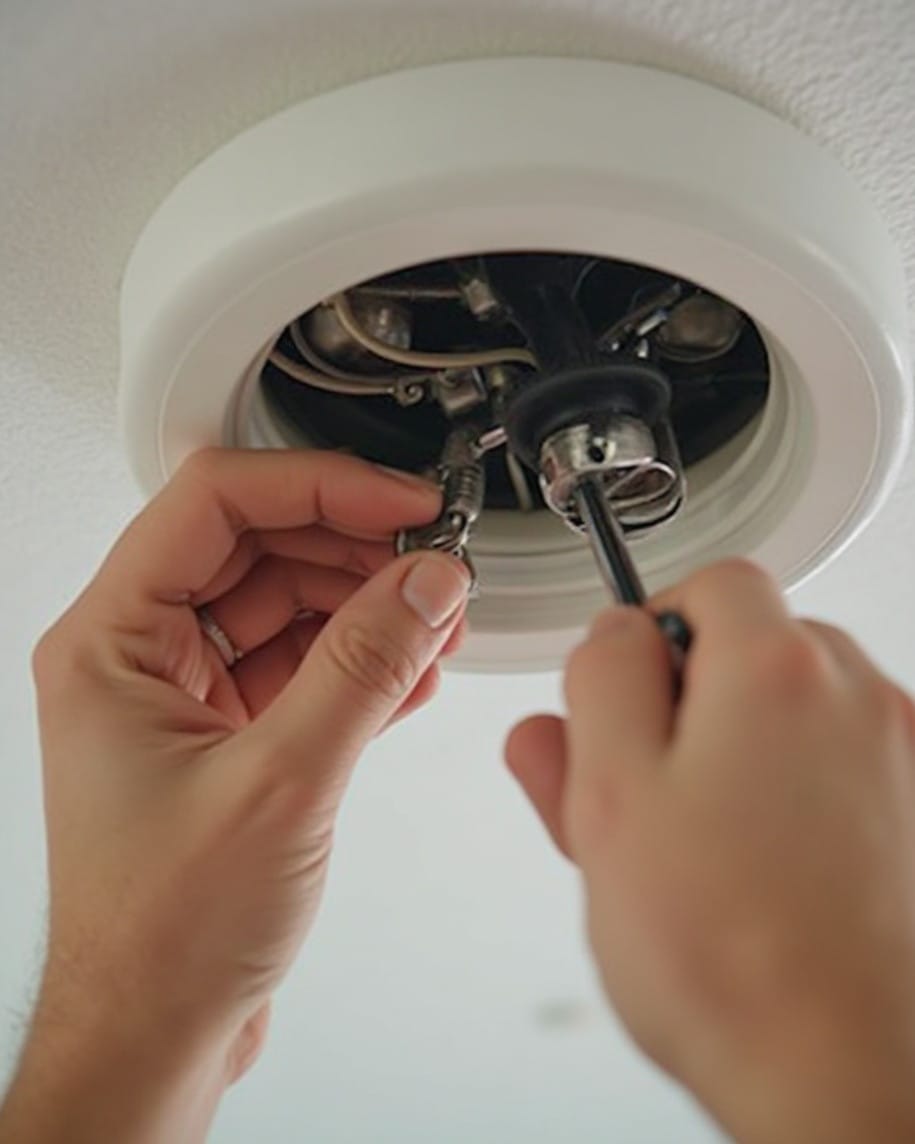
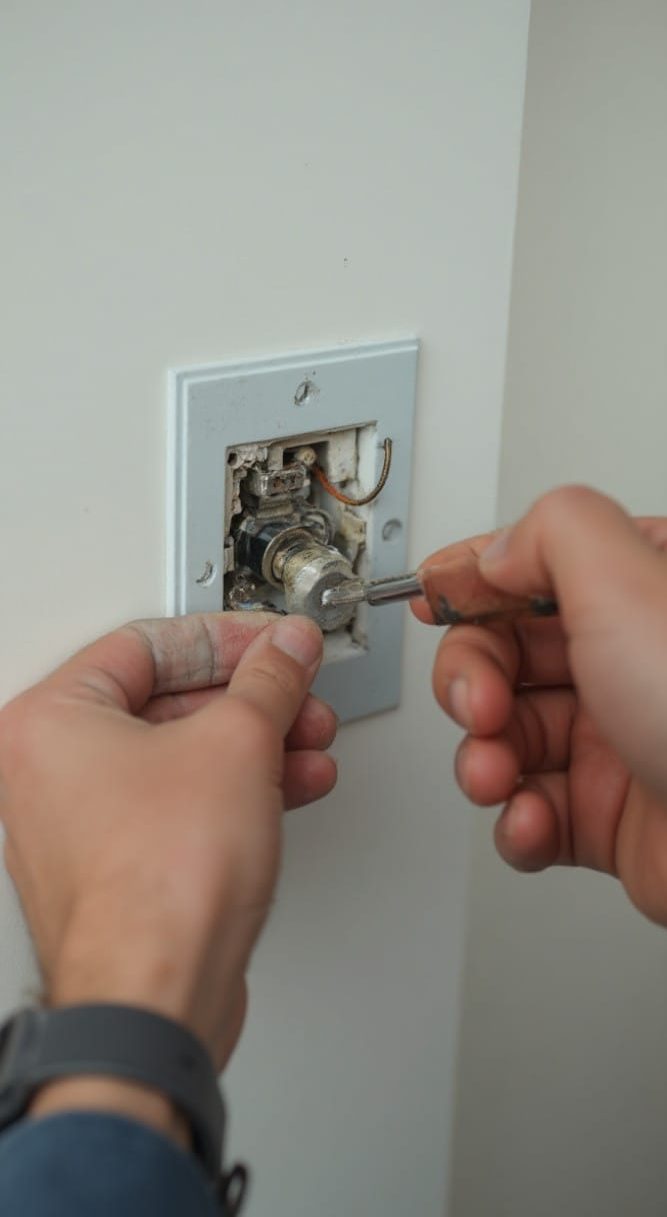
Each visit begins with a practical inspection of the reported issue before any repair work starts. This is important because visible symptoms are not always linked directly to the source of the problem. A leaking fitting, for example, may be caused by movement elsewhere in the pipework, while a sticking lock may result from frame alignment rather than the lock mechanism itself. Careful inspection helps guide accurate household repair services.
Once the issue has been assessed, surrounding components are checked to identify any related wear that may affect the repair. In many Stepney properties, systems have been modified gradually over time, meaning faults are sometimes connected to older installations or previous repair work rather than the visible fixture alone. This is a common issue in buildings requiring property maintenance support.
Preparation work is then carried out to ensure safe access and controlled handling of the repair area. This may involve isolating water supply sections, checking heating pressure levels, or removing hardware to inspect internal components properly. In flats and shared-entry buildings, access limitations can also affect how work is organised during property servicing work.
The repair process itself depends on the condition of the affected area and whether components can be restored safely or require replacement. Some problems only involve worn seals, loose fittings, or minor adjustments, while others reveal deeper wear once systems are opened or tested under pressure during home repair solutions.
After repairs are completed, operational checks are carried out to confirm that fittings, locks, or heating systems are functioning consistently. Attention is also given to surrounding areas to ensure there are no remaining leaks, alignment problems, or pressure irregularities following the work, helping maintain reliable domestic maintenance work.
A final review is completed before the visit ends to ensure the repaired area is stable, functional, and suitable for continued everyday use. This final stage helps confirm the effectiveness of the completed residential repair service.