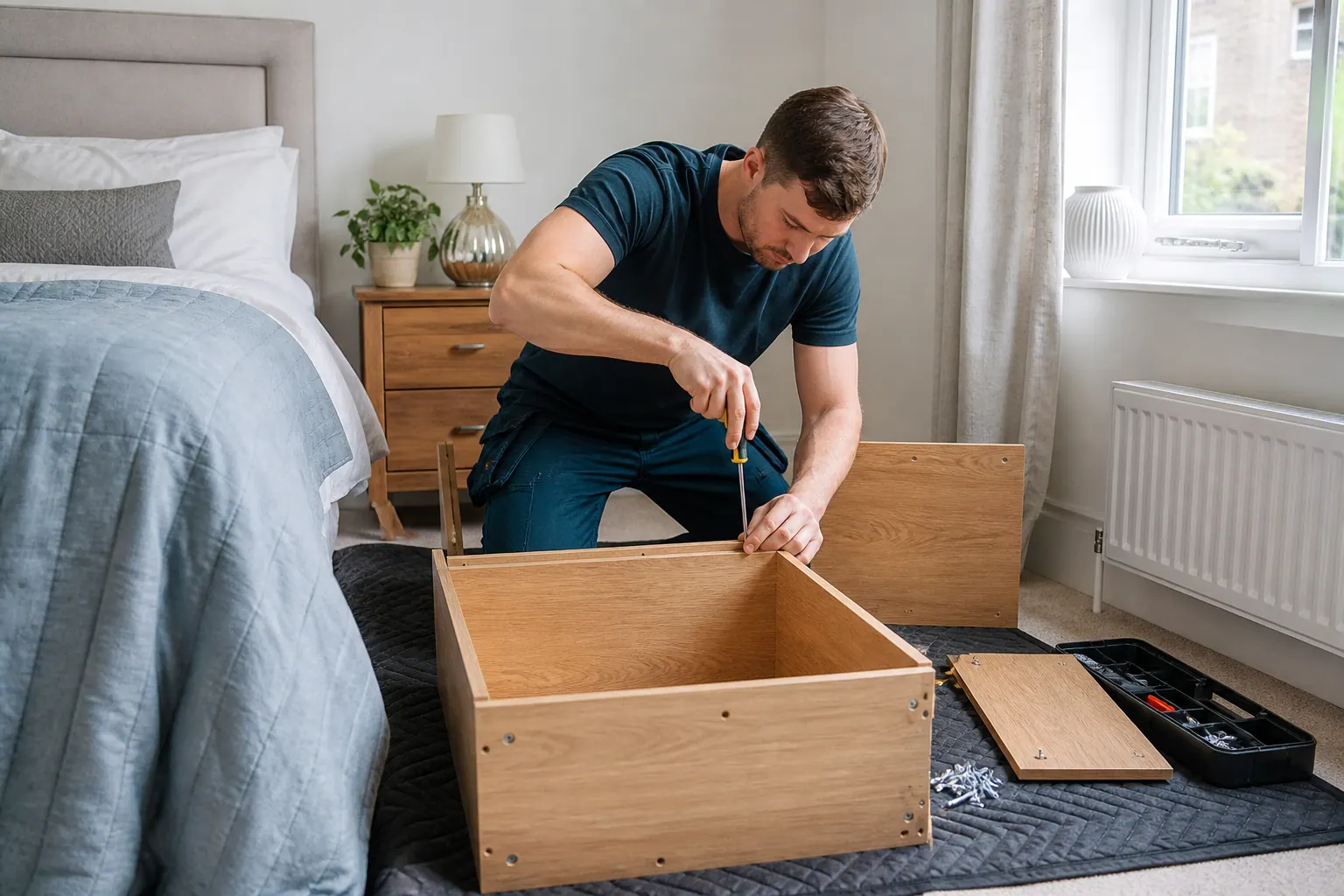
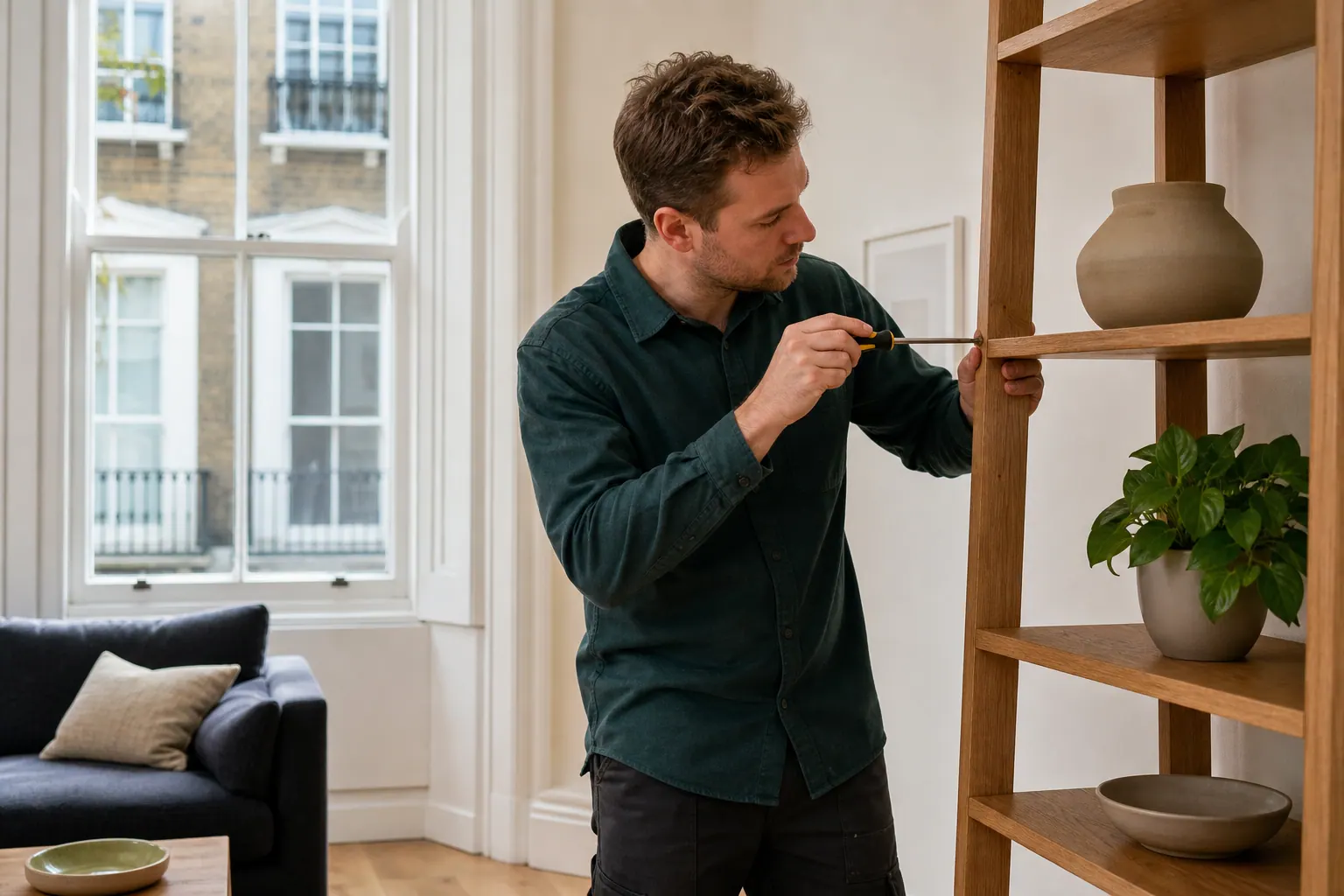
In Poplar properties, changes in condition usually happen gradually through continuous use rather than sudden failure. Heating systems, appliances, and interior surfaces all respond to long-term daily activity, and small variations in performance often appear before any major issue develops. A boiler may take longer to stabilise, or a dishwasher may not clean as efficiently as it once did. These early changes are often linked to internal wear or usage strain and are commonly addressed through domestic maintenance services.
One of the key factors in this area is the presence of modern apartment buildings with high usage demand. In these properties, heating systems often work under consistent pressure throughout the year, especially in multi-occupancy buildings. This can gradually affect circulation balance and internal components, making performance less stable over time. Regular boiler servicing support helps maintain consistent heating output and reduces long-term strain.
Appliance-related issues are also common in Poplar homes, particularly in kitchens where dishwashers and other fitted units are used frequently. Over time, minor drainage restrictions, connection wear, or installation stress can affect how efficiently appliances operate. These issues often begin subtly, such as slower cycles or reduced cleaning performance, before becoming more noticeable. Proper appliance installation and maintenance ensures systems continue to function reliably under regular use.
Interior surfaces also experience gradual change through everyday living. Walls may develop scuff marks, uneven colour patches, or fading in high-contact areas such as hallways and living rooms. These changes are not usually linked to structural problems but rather long-term contact, light exposure, and general wear. In many Poplar flats, compact layouts can make these marks more visible, especially in shared or heavily used areas where interior refurbishment work becomes relevant.
Moisture and ventilation also play a role in how properties age. Bathrooms and kitchens with limited airflow may experience slower drying times, which can affect surrounding surfaces over time. While not always visible immediately, this can contribute to long-term wear around paintwork, seals, and fittings.
Overall, property condition in Poplar is shaped by a combination of usage intensity, building design, and how consistently systems and surfaces are maintained.