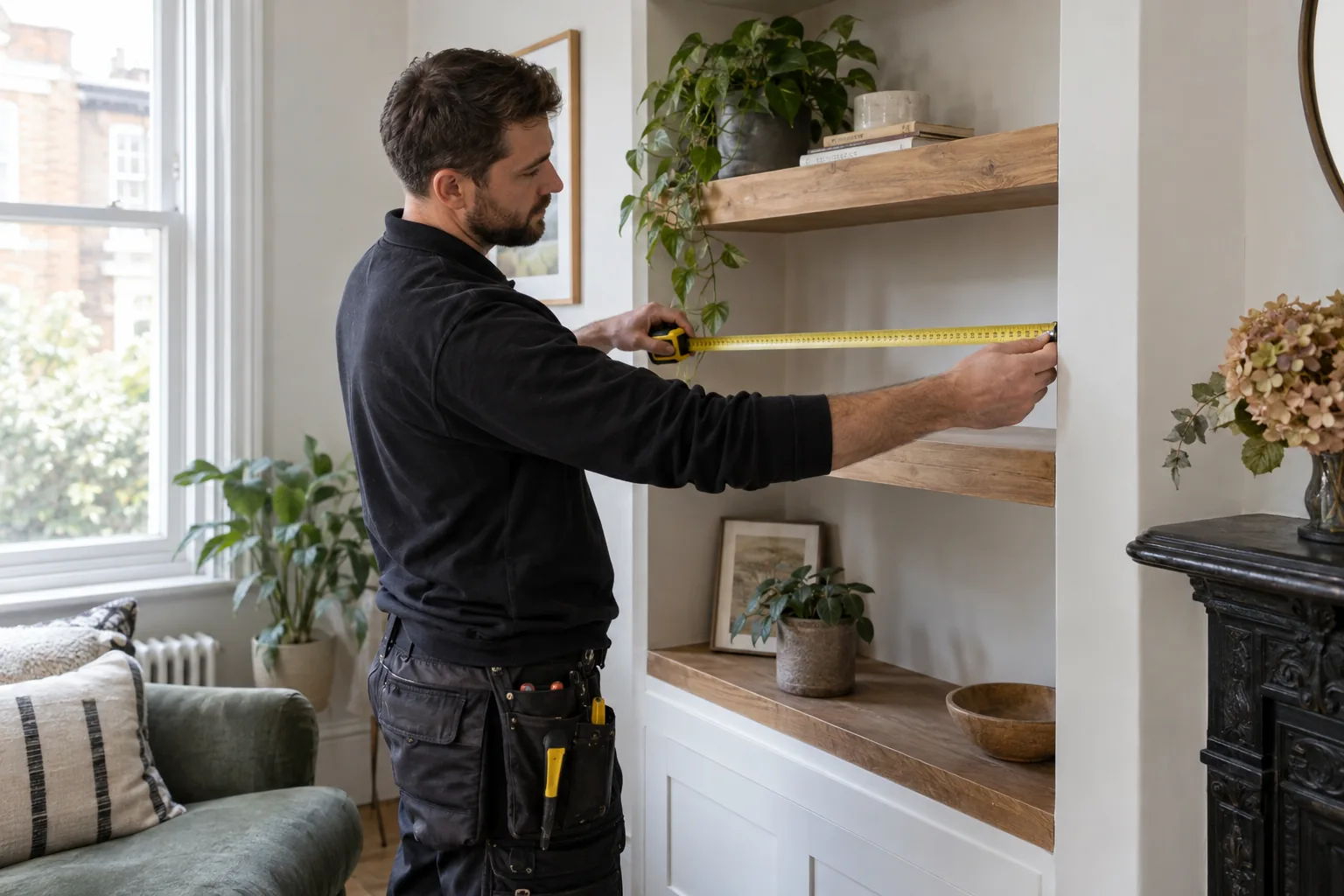
In Notting Hill residential properties, interior condition changes gradually over time as part of long-term domestic usage and environmental interaction patterns, where repeated daily activity slowly influences the condition of walls, fixtures, fittings, and installed elements across different areas of the home.
One of the earliest and most visible changes occurs on wall surfaces. In progressive surface exposure and finish fatigue in residential interiors, painted walls begin to lose uniformity due to continuous light exposure, minor physical contact, and natural ageing of coating materials. These changes are often subtle at first, appearing as slight dullness or uneven tone variation, but become more noticeable over longer occupancy periods.
Another contributing factor is everyday household movement. In incremental contact impact accumulation in interior living spaces, furniture repositioning, dΓ©cor adjustments, and regular use of living areas gradually introduce small marks, scuffs, and surface irregularities. These imperfections tend to form in high-traffic zones such as hallways, living rooms, and entry points.
Building structure itself can also influence interior condition. In micro-movement behaviour in residential wall systems, natural settlement of buildings over time may result in hairline cracks or fine surface separation lines. While typically cosmetic, these changes affect the visual continuity of interior finishes.
Decorative installations also contribute to long-term wall condition changes. In repetitive fixture mounting and removal effects on wall surfaces, frequent repositioning of frames, mirrors, and artwork can leave behind small holes, uneven patches, or weakened fixing points that gradually reduce wall integrity.
Environmental factors also play a role. In humidity fluctuation impact on interior surface stability, changes in indoor moisture levels affect paint adhesion and surface texture over time, particularly in areas such as bathrooms and kitchens where steam exposure is more frequent.
Lighting conditions further influence perceived surface quality. In light diffusion variation across aged interior finishes, older paint and wall coatings may reflect light unevenly, making imperfections more visible under certain angles or natural lighting conditions.
When combined, these factors contribute to overall interior visual drift in residential environments, where the property remains fully functional but gradually loses its original uniform appearance and surface consistency across different rooms.