GOSPEL OAK · START WITH THE PERSON USING THE ROOM

Handyman Help for Gospel Oak Homes, Planned Around the Occupant

A repair can be difficult to arrange when someone cannot easily empty a cupboard or move belongings without help. Bob’s can review ordinary Gospel Oak household jobs with that preparation made explicit. The occupant’s priorities should lead the enquiry, even when a relative or another contact helps organise it.

  • Everyday fitting faults described by the person using them
  • Preparation and handling agreed instead of silently assumed
  • Ordinary repairs kept separate from assessed support adaptations
  • Room contents left in an arrangement the occupant understands
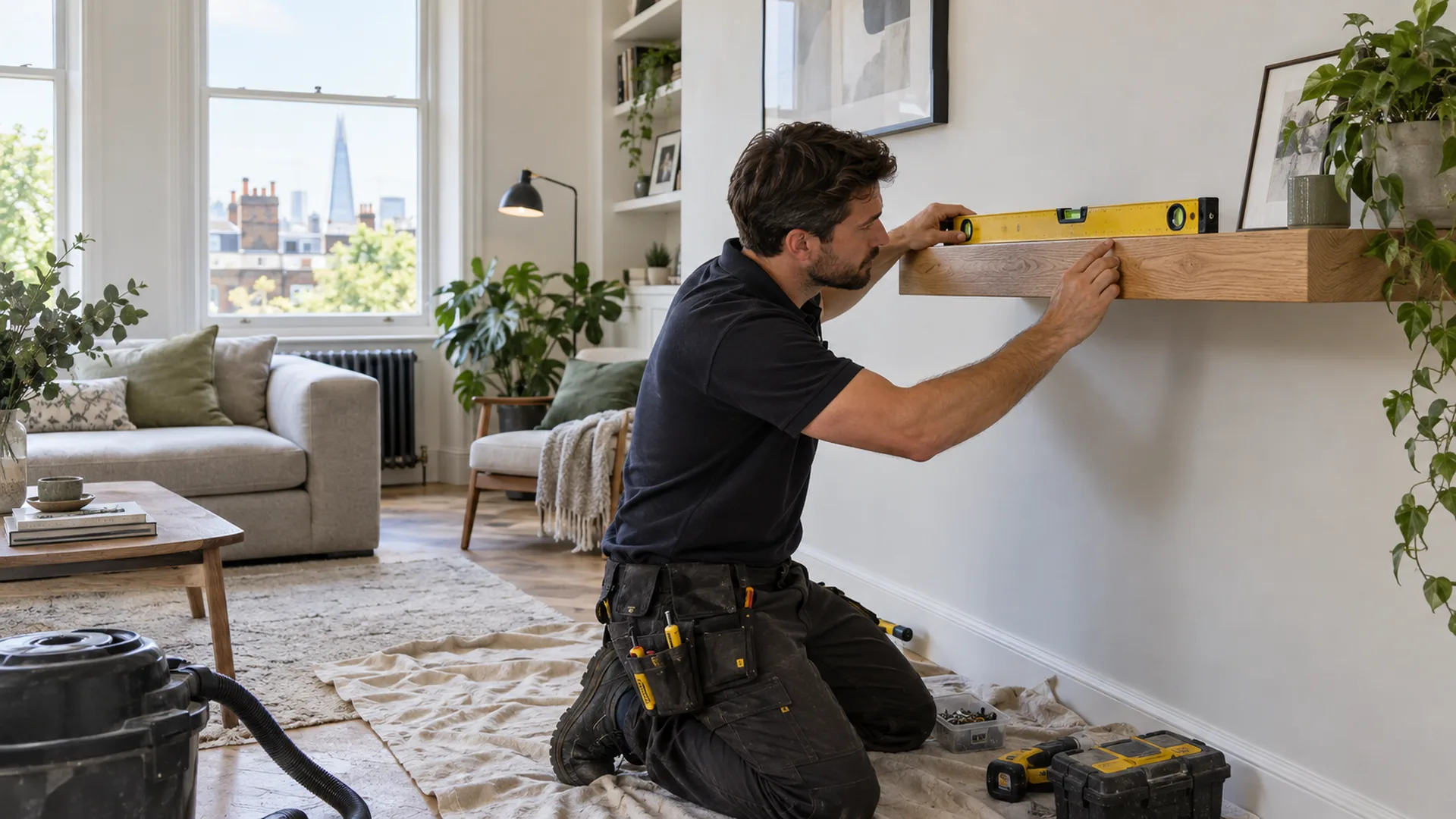
Professional installing a floating shelf on an interior wall
15+Years of experience
M25London coverage
ONEAccountable team

DIFFERENT HOMES, DIFFERENT WORKING SPACE

Older rooms and estate homes can need different preparation

Camden records Gospel Oak’s nineteenth-century residential origins alongside its later estates. The council describes Wendling Estate and St Stephens Close as a variety of 1970s building types. A request may concern an older room with retained cupboards or an estate interior fitted out differently over time. Neither setting tells you what help the occupant needs to prepare it.

Start with the task as the person experiences it: a drawer is difficult to pull, a cupboard will not close, or an ordinary bathroom accessory has loosened. Ask which item matters most and what should remain untouched. Bob’s can review furniture, fittings and limited finishing work without turning a relative’s general wish to improve the room into permission to rearrange everything.

If someone else is helping with the enquiry, say how the occupant wishes decisions to be confirmed. A short, agreed list is useful; a room cleared without their involvement can make daily life harder even before work begins. Identify any preparation that cannot safely be done by the household so its handling can be discussed in advance.

For a flat, keep the task inside the relevant responsibility boundary. Shared equipment and building services need the appropriate management route. Inside the home, a new position for an ordinary fitting still needs the actual wall and the user’s intended activity considered. Where support, mobility or other safety adaptations are required, seek the relevant professional assessment rather than treating them as decorative accessories.

Discuss your property requirementsCall 020 3137 9380
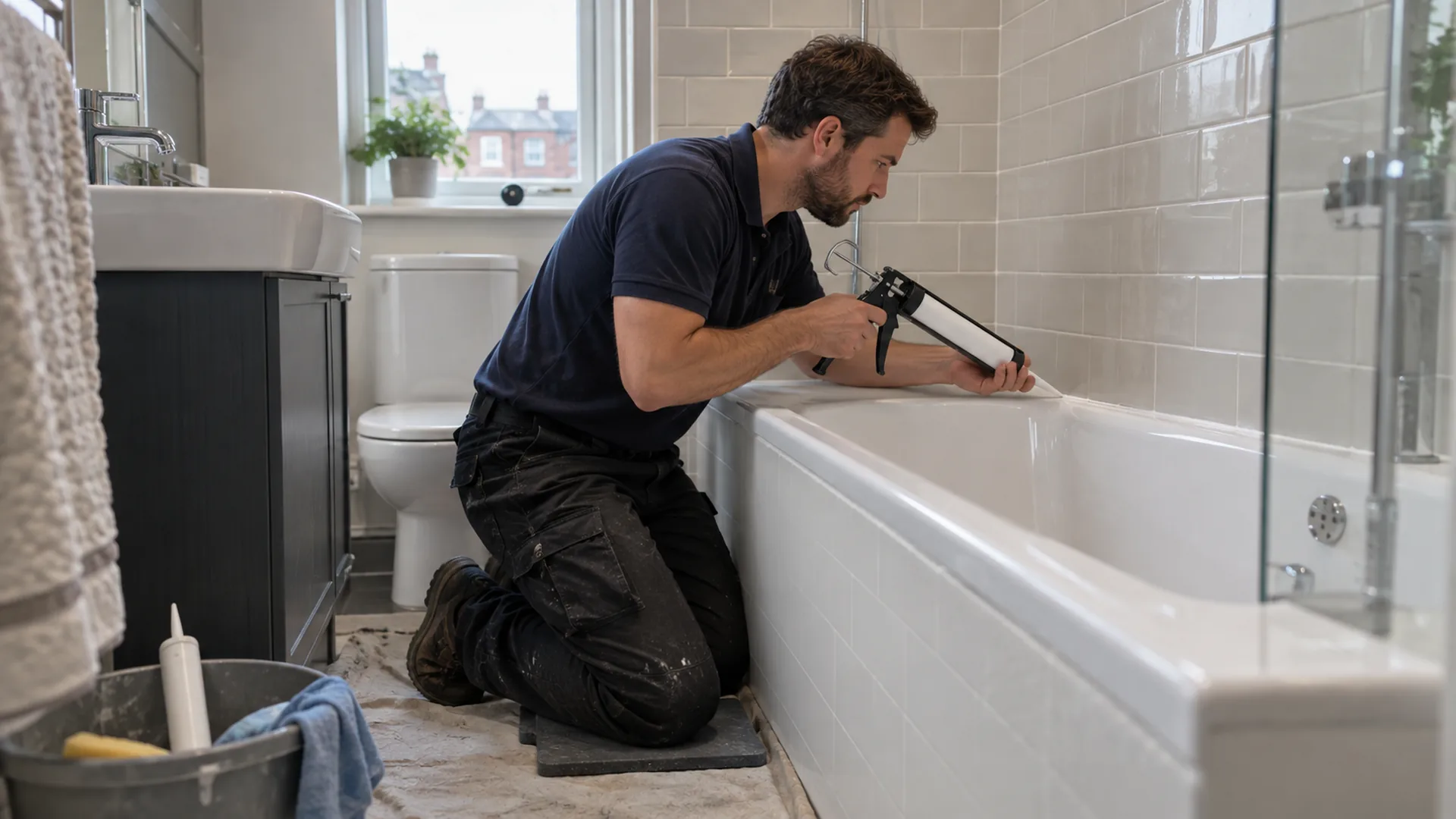
Handyman applying a neat sealant line around a bath

PREPARATION SHOULD NOT TAKE OVER THE HOME

Agree what moves, who moves it and where it returns

A request to clear the area can mean very different things to different households. Identify the particular cupboard, surface or furniture item involved. If contents need moving, establish who can do that safely and where they can remain available. Do not assume a booked repair includes handling a heavy unit or sorting personal possessions.

The occupant may have an established place for everyday objects which is not obvious to another person. Keep those arrangements in view when discussing the work. A repaired drawer is of limited benefit if its useful contents have been moved somewhere difficult to find. Agree the return arrangement rather than treating a visually tidy room as the only measure of completion.

Describe grip or reach difficulties as observations, not a product prescription. A handle that is stiff because it is faulty is different from a request for an assessed adaptation. Bob’s can review ordinary repair work, while specialist equipment, support rails or changes intended to address a person’s safety needs require the appropriate advice and specification.

At the end, the person using the room should understand what has changed and any instructions affecting use. Arrange for their chosen contact to be present if that helps them. Explain unfinished items plainly, particularly if a fitting remains unavailable or a bathroom task has a product-related waiting period. Practical communication is part of leaving an occupied room usable, not a substitute for the correct repair.

GOSPEL OAK FITTING QUESTIONS

Arranging work with help from another person

Can a relative help prepare the repair enquiry?

Yes, with the occupant’s involvement and the appropriate authority for the work. Agree the actual tasks and how decisions will be confirmed. Helping organise an appointment should not become permission to alter belongings or arrangements against the occupant’s wishes.

What if the occupant cannot empty the cupboard safely?

Explain that before booking. Preparation and any handling need to be discussed as part of the practical scope. Do not assume the person must attempt heavy lifting or that every clearing task is automatically included.

Can an easier-to-grip handle be chosen during a normal repair?

A compatible ordinary replacement can be discussed, but distinguish a repair preference from a safety or accessibility adaptation. If the change is intended to meet assessed support needs, use the relevant professional advice and specification.

Should furniture be rearranged to give the worker more space?

Only with an agreed and safe plan. Some items may be heavy or unstable, and the occupant may rely on the existing arrangement. Identify the working area in advance and discuss what genuinely needs moving.

Can the work be explained to a relative as well as the occupant?

Arrange communication with the occupant’s chosen contact where that is helpful and authorised. The person living in the home should still understand what changes, any restriction on use and the next step for unfinished work.

How should unfinished work be explained to the household?

State which fitting or room remains restricted, why and what next step is needed. Include product-related waiting periods where relevant. Make that clear to the occupant and their chosen contact rather than leaving a vague note that everything is nearly finished.

HOME MAINTENANCE PLANNER & HANDYMAN JOB CHECKER

Create a Gospel Oak list with the occupant’s priorities

Choose the ordinary rooms and concerns together where helpful. The planner can organise maintenance categories, but it does not assess a person’s mobility or prescribe support equipment. It collects no personal details.

1Property type
2Area of property
3What needs attention
4Urgency

AN AGREED HOUSEHOLD REQUEST

Keep the occupant’s choices visible through the appointment

01

Ask what causes the daily difficulty

Let the person using the fitting describe the problem in their own terms. Separate a faulty component from another person’s preference for a different room arrangement.

02

Confirm the help needed before arrival

Identify contents or furniture the household cannot safely move. Discuss handling and preparation explicitly; do not begin unsafe lifting simply to meet an assumed requirement.

03

Define the ordinary repair

Keep a drawer adjustment, loose accessory or surface repair distinct from a safety adaptation. The latter may need a separate professional specification rather than a standard fitting visit.

04

Return the useful arrangement

Check the agreed operation and leave retained contents where the occupant expects them. Make restrictions and follow-up tasks clear to the person and any contact they have chosen.

NEARBY COVERAGE

Handyman areas near Gospel Oak

For another property nearby, use a separate area page rather than combining addresses into one task list.

A GOSPEL OAK REQUEST WITH THE OCCUPANT INCLUDED

Bring the repair and the preparation into the same conversation

Tell Bob’s which ordinary fittings need attention and what help is needed to make the working area available. Keep the occupant’s choices, retained belongings and communication preferences clear. Specialist adaptations should be identified separately so the right assessment is not bypassed.

Call 020 3137 9380Get a quote