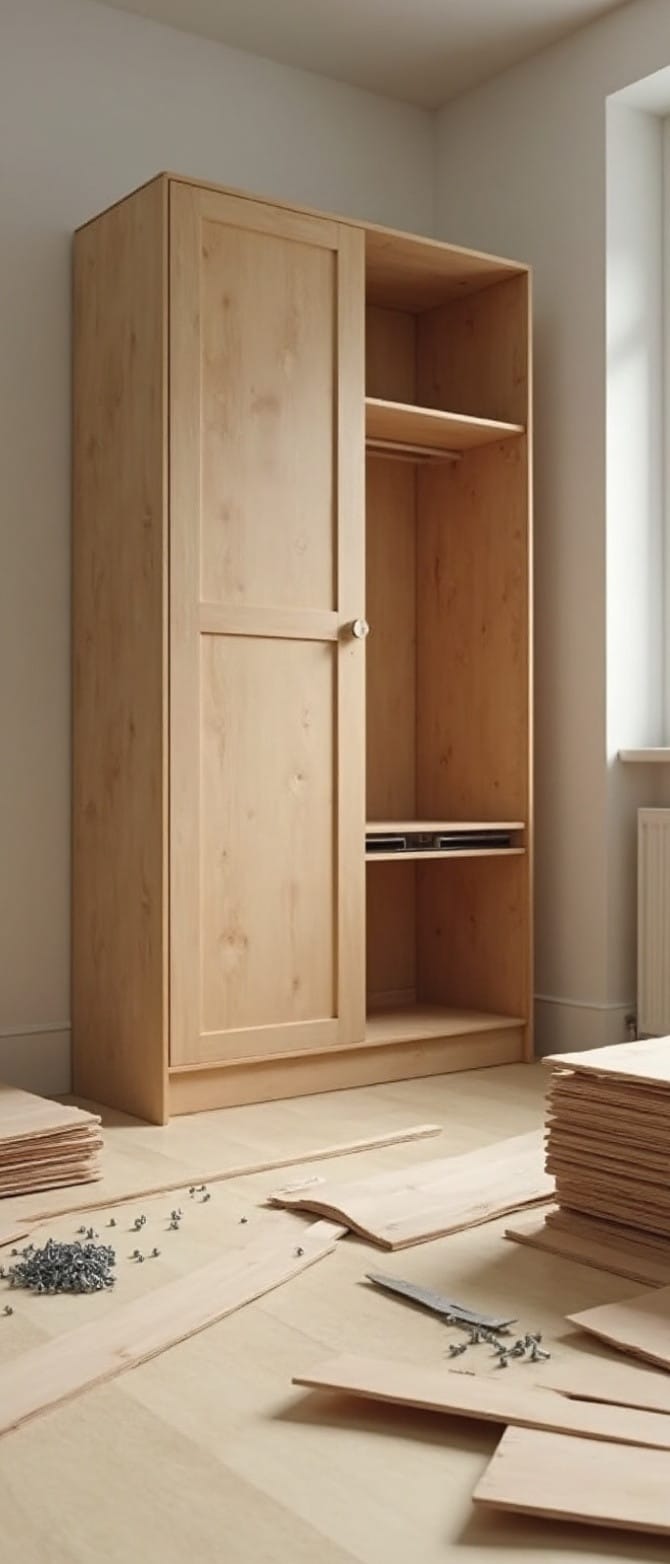
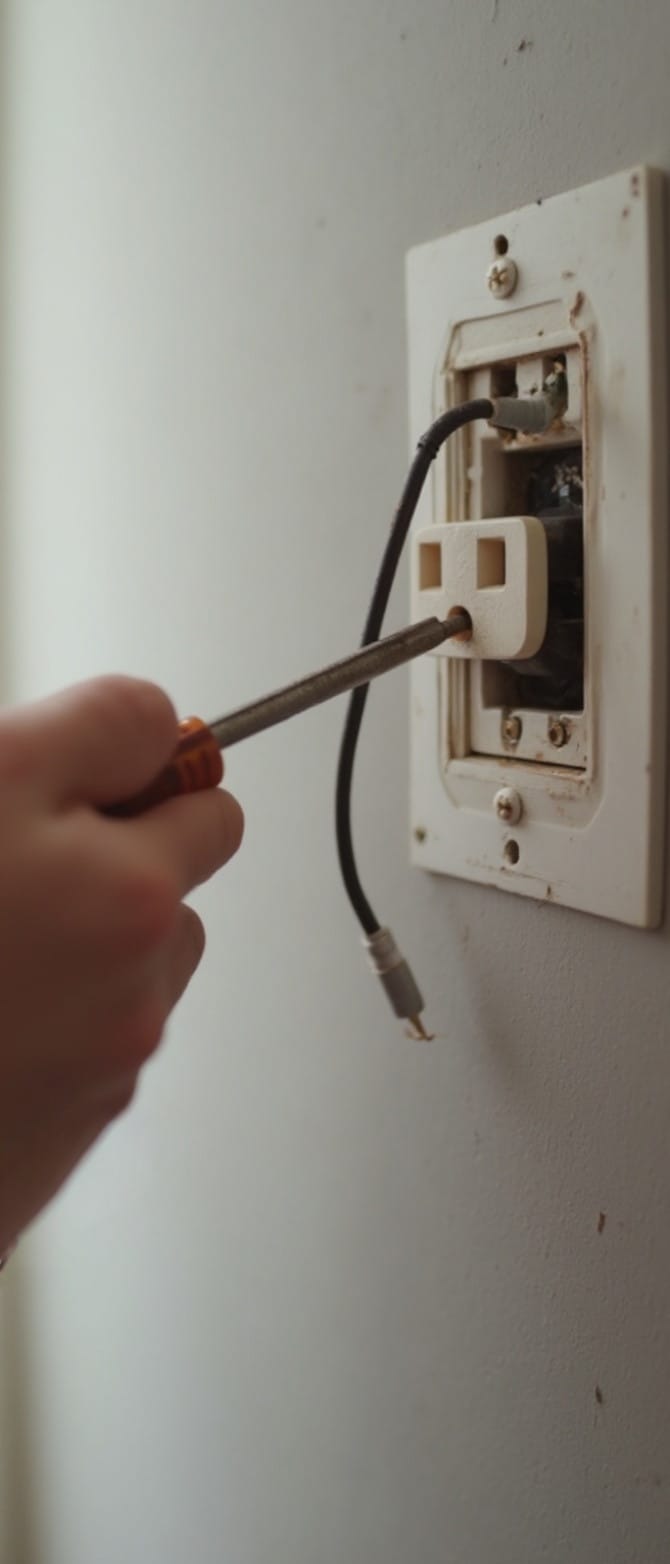
Many property owners assume that meaningful change requires major renovation work. In reality, a series of smaller improvements can have a significant impact on how a property is experienced and used. In Becontree, practical upgrades often help properties evolve without the disruption associated with large-scale projects in Becontree property enhancement strategies.
Small improvements tend to be easier to integrate into everyday life. They allow homeowners and businesses to address specific priorities while maintaining normal use of the property. This approach supports gradual development rather than sudden transformation.
Another advantage is flexibility. As needs change, property owners can focus on the areas that offer the greatest immediate benefit. This makes it possible to adapt spaces over time while keeping future options open in Becontree practical property development.
Incremental improvements also help properties remain aligned with changing expectations. Design preferences, technology, and usage habits evolve, meaning that properties often benefit from periodic updates that improve convenience and overall appeal.
A property that receives regular attention is often easier to manage in the long term. Addressing opportunities for improvement as they arise can contribute to a more functional environment and reduce the need for larger corrective work later.
Many successful property improvements are not immediately noticeable on their own. Instead, their value comes from how they collectively improve the experience of using the space. Better organisation, smoother functionality, and improved practicality often result from multiple small adjustments working together.
Property owners also benefit from having the freedom to prioritise improvements according to their current circumstances. Rather than committing to extensive projects, they can focus on targeted enhancements that address specific needs while maintaining budget flexibility in Becontree smart property planning.
Another important consideration is efficiency. Small improvements can often be completed more quickly, allowing the property to continue operating with minimal interruption. This is particularly beneficial for busy households and commercial premises where downtime can be inconvenient.
Over time, these smaller changes contribute to the overall quality of the property. A space that is consistently improved tends to remain more adaptable, making it easier to respond to future requirements without major restructuring.
There is also a psychological benefit to gradual improvement. Occupants often feel more comfortable and engaged with spaces that are regularly maintained and refined. This positive relationship with the property can encourage better ongoing care and more effective use of available space.