
Door repairs
For internal alignment, catches and hardware after shared or fire-door responsibility is excluded.
HOUSE, FLAT AND RENTAL REPAIRS · BARKING
A Barking task list can span an older house, a converted property or a managed apartment. Bob’s starts with the fault, the fixing surface and the person authorised to approve changes, then shapes compatible work into a realistic visit.
OLD CENTRE, CHANGING HOMES
The Abbey and Barking Town Centre Conservation Area includes historic fabric around the abbey and town centre, while the wider district contains later housing, conversions and newer apartment developments. The same loose fitting can therefore sit in solid masonry, lightweight board, retained joinery or a shared building element. A photograph of the room and a close view of the fault help distinguish them.
In rented or managed accommodation, responsibility matters just as much as technique. Confirm who owns the item, who can authorise extra work and whether the wall, door or service is communal. Cosmetic work should not be used to conceal damp, structural movement, an active leak or an electrical concern.
REPAIR DIARY BEFORE TOOLBOX
Barking’s mixture of older town-centre fabric, established housing and newer flats makes symptom history particularly useful. Dates, weather conditions and earlier attempts can reveal more than a close photograph taken on booking day.
Record when it binds and which edge marks the frame. Check for fresh paint, swollen timber and nearby damp. Removing material immediately can create a winter gap while leaving the moisture source untouched.
Photograph the carcass, hinge plate and fixing holes with the contents removed. Repeated screw failure may require repair of the base material rather than another adjustment to the door.
Keep dated images and confirmation that the plumbing fault is closed. Decoration should wait until the background is dry; the pattern may help the responsible trade decide whether further investigation is needed.
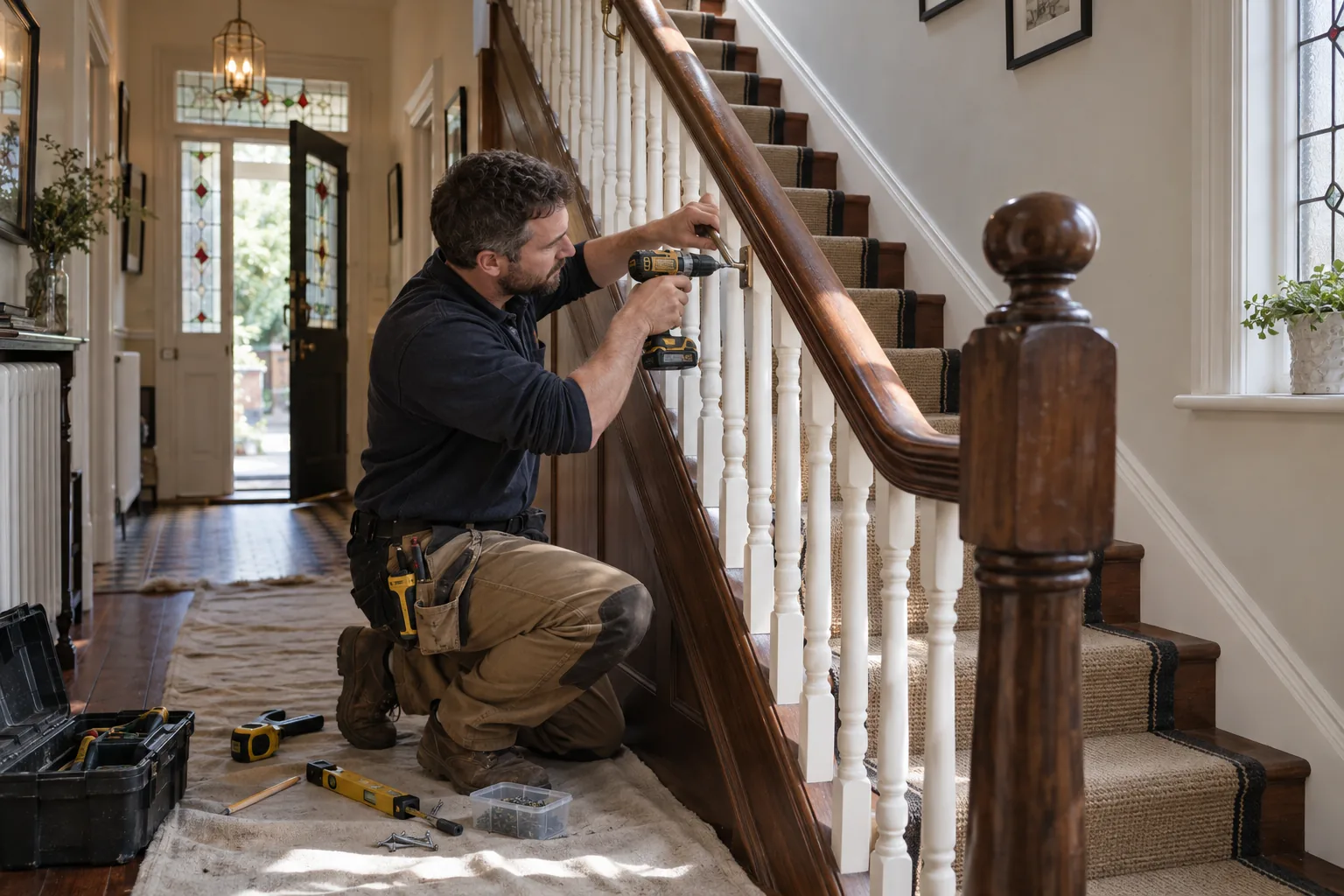
Limit use if the item affects safe movement. Show every support point and the surrounding substrate. A rail pulling away across several brackets is not equivalent to one loose decorative screw.
List required outcomes beside responsibility and deadline. Cleaning damage, missing tenant furniture and authorised repair work should not be blended into one vague instruction called ‘touch-ups’.
TIME-BASED LABOUR ESTIMATE
Select a task type, quantity and expected duration. The estimate applies Bob’s published weekday labour rates. Materials, congestion, parking, access delays and specialist work are not guessed.
MAKE A FAULT RECORD
Note when the item began moving, staining, rattling or failing to close.
Record rain, heating, appliance use or a recent tenancy change linked with the symptom.
List adjustments, sealants or replacement parts already tried and how long they lasted.
Name the landlord, manager or householder authorised to decide after the underlying condition is seen.
MAKING GOOD WITHOUT MASKING CAUSES
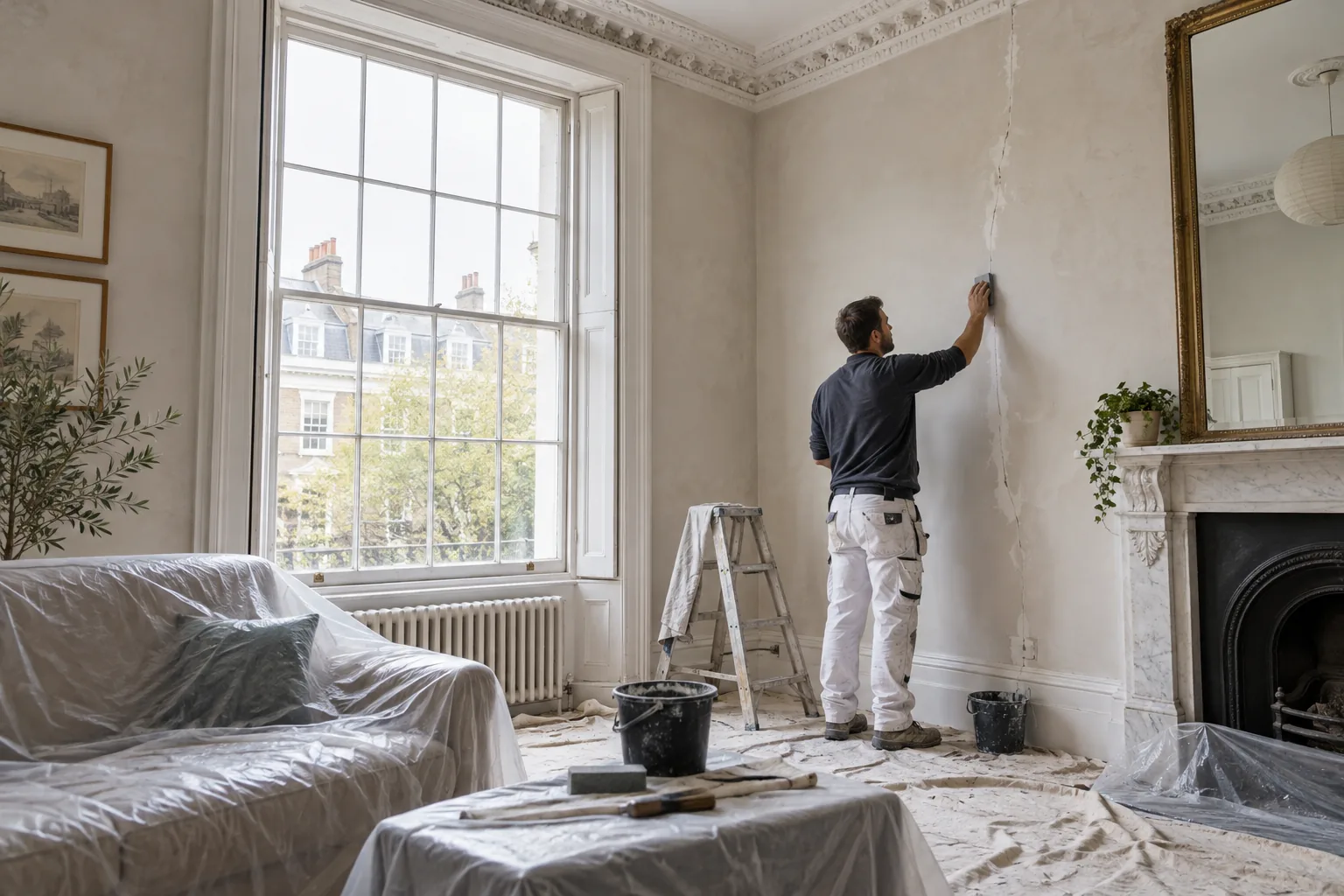
Small holes, local scuffs and minor failed sealant can often be made good once the surface is stable and dry. A stain that returns, a crack that widens or timber that repeatedly swells needs its cause understood first. Filling over movement or painting over moisture produces a short-lived result and removes useful evidence. Note the age of the mark and whether it changes after rain, heating or appliance use.
Provide earlier photographs if the appearance has changed. If another trade has repaired a leak or electrical fault, confirm that work is complete before decorative making good is booked. Drying time may delay the finish even when the underlying repair is complete.
NEARBY COVERAGE
Planning for modern flats and developing neighbourhoods by the Thames.
Handyman support for houses, rentals and flats farther east.
Explore the wider east London service area.
BARKING REPAIR-DIARY QUESTIONS
Timber and surrounding finishes can react to moisture and heating. A dated pattern helps distinguish a temporary clearance issue from continuing damp or movement.
Leave it visible unless it is unsafe. Photograph the earlier patch and explain who carried it out; it may show why a fixing, seal or adjustment failed again.
State the room, required outcome, supplied product and approval limit. Keep cleaning, replacement, regulated work and optional improvement as separate entries.
Use the calculator only as a time-based starting point. Investigation, parts and a newly discovered defect cannot be converted into a firm material-inclusive figure in advance.
Treat safe movement as the priority. Limit use and send images of every bracket and its background so the visit can be triaged appropriately.
Send older images, the date of the plumbing repair and readings or reports available. A dry surface on one day does not prove the background is ready for decoration.
TURN THE LIST INTO A SCOPE
Send measurements, wide and close photographs, access details and the person responsible for approval. Include any previous repair and explain when the symptom appears. Bob’s will review the information before confirming the next step. This record is especially useful when a landlord, occupier and managing agent share decisions.