Pet Damage Repairs
- Common Damage: Pets frequently cause damage to doors, skirting boards, and flooring through scratching and chewing.
- Act Early: Fixing issues promptly prevents them from worsening and saves money on future repairs.
- Repair vs. Replace: Surface scratches can be filled and sanded, while deep structural damage may require replacement.
- Flooring Fixes: Laminate and vinyl can be touched up easily; carpet damage can often be patched rather than replaced.
- Protect Deposits: Proactively repairing pet damage before moving out helps secure your tenancy deposit.
- Save Costs: Bundle multiple small repairs into a single visit to reduce service fees.
- Expert Advice: A professional assessment can determine the most cost-effective route, saving you money in the long run.
"*" indicates required fields
Anyone who has shared a home with a dog, cat or overenthusiastic rabbit knows that pets leave their mark. Sometimes that mark is a scratched door frame, sometimes it’s a gouged skirting board, and sometimes it’s a patch of flooring that’s seen better days. For London homeowners and tenants alike, pet damage repairs are one of those jobs that tend to pile up until moving day or a landlord inspection forces the issue. The good news is that most of this damage falls squarely within a general handyman’s remit, and getting it sorted early is usually far simpler — and cheaper — than waiting.
The Most Common Types of Pet Damage in London Homes
Pet damage tends to follow a familiar pattern, whatever the size of the animal responsible. Doors and door frames take the brunt of it, particularly around handles and lower panels where claws and paws make repeated contact. Skirting boards are another frequent target, especially for dogs prone to chewing when they’re teething or anxious. Flooring suffers too, whether that’s scratched laminate, stained carpet, or scuffed hardwood near entry points and favourite resting spots. Walls aren’t immune either, picking up scrapes from claws or the odd scuff from an overzealous greeting at the front door.
London’s housing stock adds its own wrinkle to all this. A huge proportion of the city’s homes are flats and converted properties, often with shared entrances, communal stairwells, and landlord-owned fixtures that come with their own rules about alterations and repairs. That means pet damage in a rented flat isn’t just a cosmetic annoyance — it can have real implications for a deposit or a renewal conversation, which is worth keeping in mind before damage is left to worsen.
Scratched Doors, Chewed Skirting and Damaged Flooring
Scratched doors are one of the easiest fixes on this list, and also one of the most commonly requested. Light surface scratches can often be filled, sanded and refinished to match the surrounding wood or paintwork, while deeper gouges might call for wood filler and a fresh coat of paint to blend the repair in properly. Where scratching has gone right through a veneer, a panel replacement is sometimes the more sensible route, particularly on hollow-core doors that don’t take repeated sanding well.
Chewed skirting is a bit more involved but still very manageable. Small nibbled sections can be filled and repainted, while more extensive chewing usually means cutting out and replacing the affected length rather than patching around it — a cleaner result and a job that a skilled handyman can usually complete in a single visit.
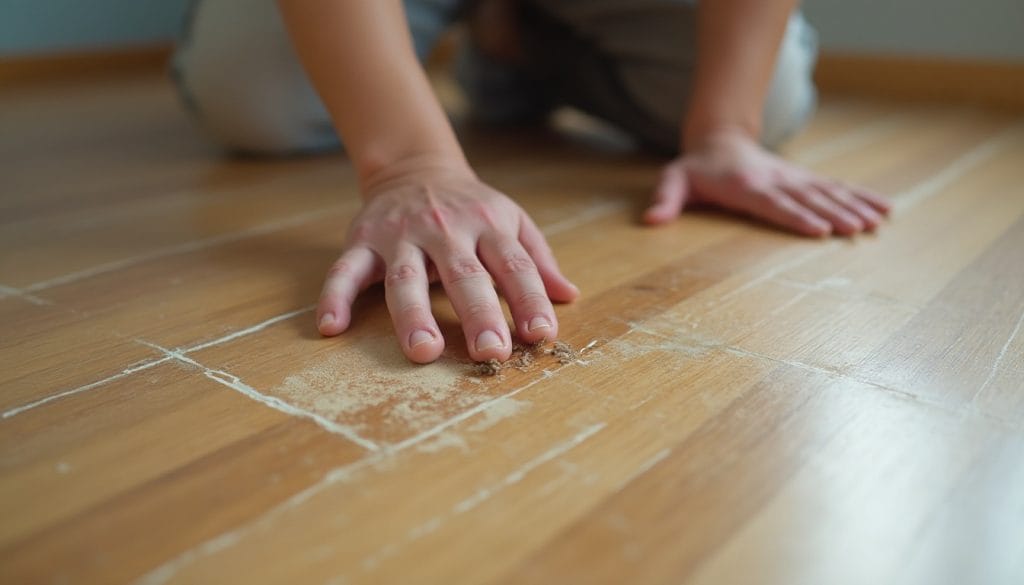
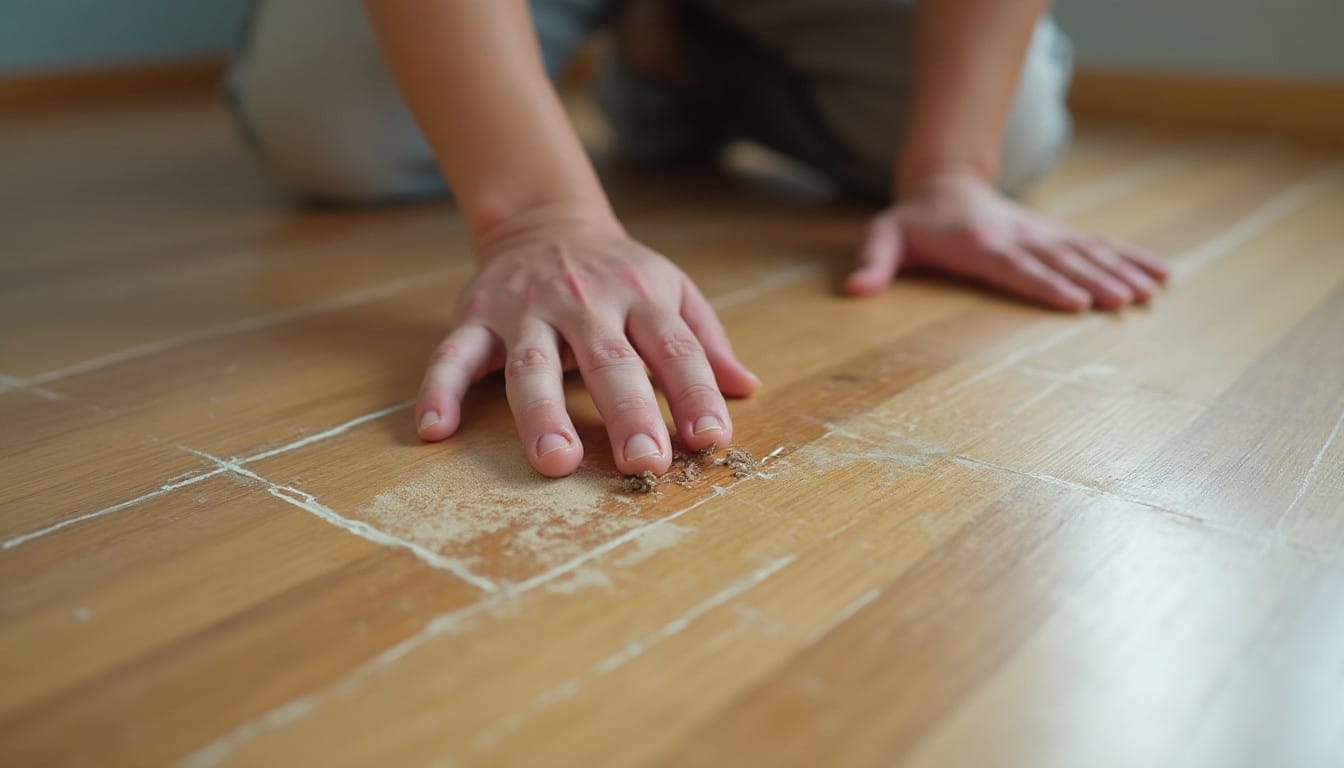
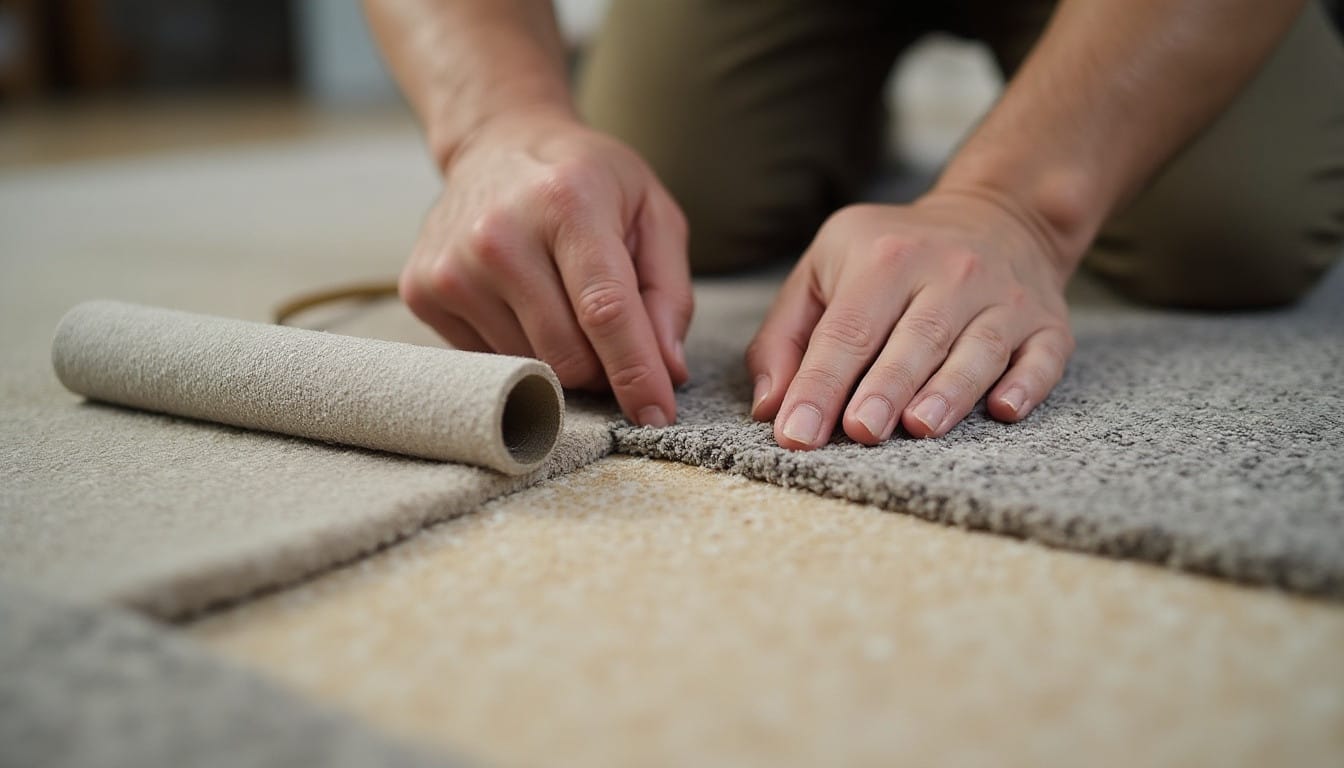
Flooring is the trickiest of the three, mostly because the right fix depends heavily on the material. Laminate and vinyl scratches often respond well to filler kits and touch-up finishes, whereas carpet damage from digging or accidents may need a targeted patch rather than a full replacement, especially if the affected area is small and tucked out of the way. Solid wood floors are usually the most forgiving in the long run, since scratches and light gouges can typically be sanded out and refinished rather than replaced outright.
What’s Repairable vs What Needs Replacing?
The line between repair and replacement usually comes down to how deep the damage runs and how visible it is once fixed. Surface-level scratches, small chew marks, and minor scuffs are almost always repairable with filler, sanding, and paint or varnish matched to the original finish. The results can be genuinely difficult to spot once the work is done.
Replacement tends to become the better option when structural integrity is compromised — a door panel that’s been chewed through, a skirting board with a chunk missing, or flooring where the damage has gone below the surface layer and can’t be sanded back without leaving a visible dip or discolouration. In flats and rented properties particularly, it’s often worth getting a second opinion before committing to either route, since a handyman can usually spot straight away whether a repair will hold up or whether replacement will save money in the long run by avoiding a repeat callout.
Pet Damage and Tenancy Deposits — What to Know
For renters, pet damage sits in a slightly different category to ordinary wear and tear. Tenancy deposit schemes generally distinguish between fair wear and tear, which is expected over the course of a tenancy, and damage that goes beyond normal use — and pet-related marks often fall into the latter camp, particularly scratched doors, chewed skirting, or stained flooring. Getting repairs done properly and promptly, ideally with some record of the work, tends to put tenants in a stronger position when it comes to end-of-tenancy discussions or deposit negotiations. Landlords, for their part, are generally looking for evidence that damage has been addressed rather than left to compound, so a professional repair before check-out is usually time well spent for anyone with a pet clause in their tenancy agreement.
How Much Does Pet Damage Repair Cost?
Costs for pet damage repairs vary quite a bit depending on the extent and type of damage, the materials involved, and how many separate issues need addressing in one visit. A single scratched door or a short section of chewed skirting is generally at the lower end of the scale, while multiple flooring repairs or several doors across a property will naturally push the total higher. Bundling several small jobs into one handyman visit is usually more cost-effective than tackling them separately, since it saves on repeat callout costs and lets the work be planned efficiently in a single session. Getting a clear quote beforehand, once the damage has been assessed in person, is the most reliable way to know what a job will actually involve.