
Doors, handles and everyday joinery
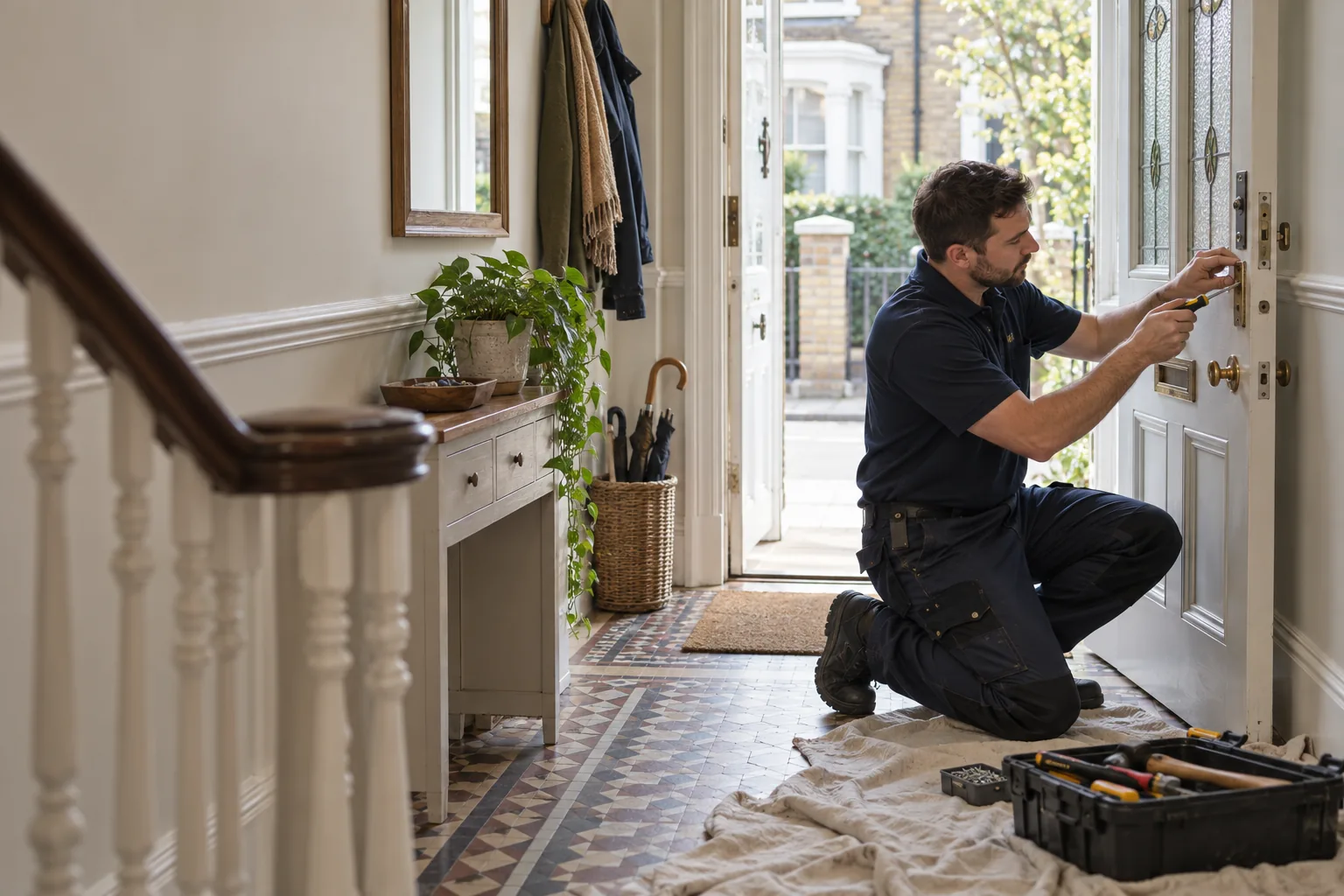
Loose handles, minor alignment and small timber adjustments may suit a handyman visit. Identify shared, entrance or fire-rated doors first; recurring movement needs its cause checked before trimming begins.
PRACTICAL PROPERTY CARE · ABBEY WOOD
Abbey Wood work may involve a sticking door in an older terrace, several fittings in a post-war home, or managed access to a newer flat. Bob’s reviews the property, task list and access before matching the visit to a responsible scope.
READ THE BUILDING BEFORE THE JOB LIST
Royal Greenwich’s character study describes three broad parts of Abbey Wood: the post-war Abbey Estate to the north, an older pre-1919 neighbourhood and the post-war Bostall Estate in the centre, and woodland with pockets of development to the south. Wall construction, original joinery and communal responsibilities can therefore change within a short distance. Send a wide photograph of the fitting area as well as a close-up of the defect.
The station area has changed with the Elizabeth line and investment around Abbey Wood Village. Newer flats may have concierge procedures, booked lifts or drilling-hour rules; houses and older conversions may have layered finishes and less predictable substrates. Bob’s reviews the supplied details and keeps regulated gas, significant electrical, structural or controlled-door work with the appropriate specialist.
BUILD A USEFUL VISIT
A good list groups compatible work without hiding a larger fault inside an ‘odd job’. These examples show the practical distinctions.
Loose handles, minor alignment and small timber adjustments may suit a handyman visit. Identify shared, entrance or fire-rated doors first; recurring movement needs its cause checked before trimming begins.
Provide dimensions, weight, bracket type and position. The wall needs a suitable substrate and a check for concealed services; very heavy items or unusual surfaces may require a specialist fixing plan.
Keep packages, fittings and instructions together, with protected floor space ready. Built-in work and altered services differ from freestanding furniture, so flag missing parts before the visit.
Cabinet hinges, plinths, sealant and accessible fittings can be assessed as maintenance. Active leaks, unsafe electrics, gas appliances or failed waterproofing need the correct trade before finishes hide the evidence.
List each item by room, add photographs and mark priorities. Have measurements, products and permissions ready so the visit can be sequenced around dust, curing time and access.
PUBLISHED-RATE ESTIMATE
Use the closest job category, task count and working time. The category helps describe the visit; the published labour rate is driven by appointment time. The calculator does not invent a cost for materials, parking, congestion or specialist input.
FLATS, ESTATES AND SHARED SPACES
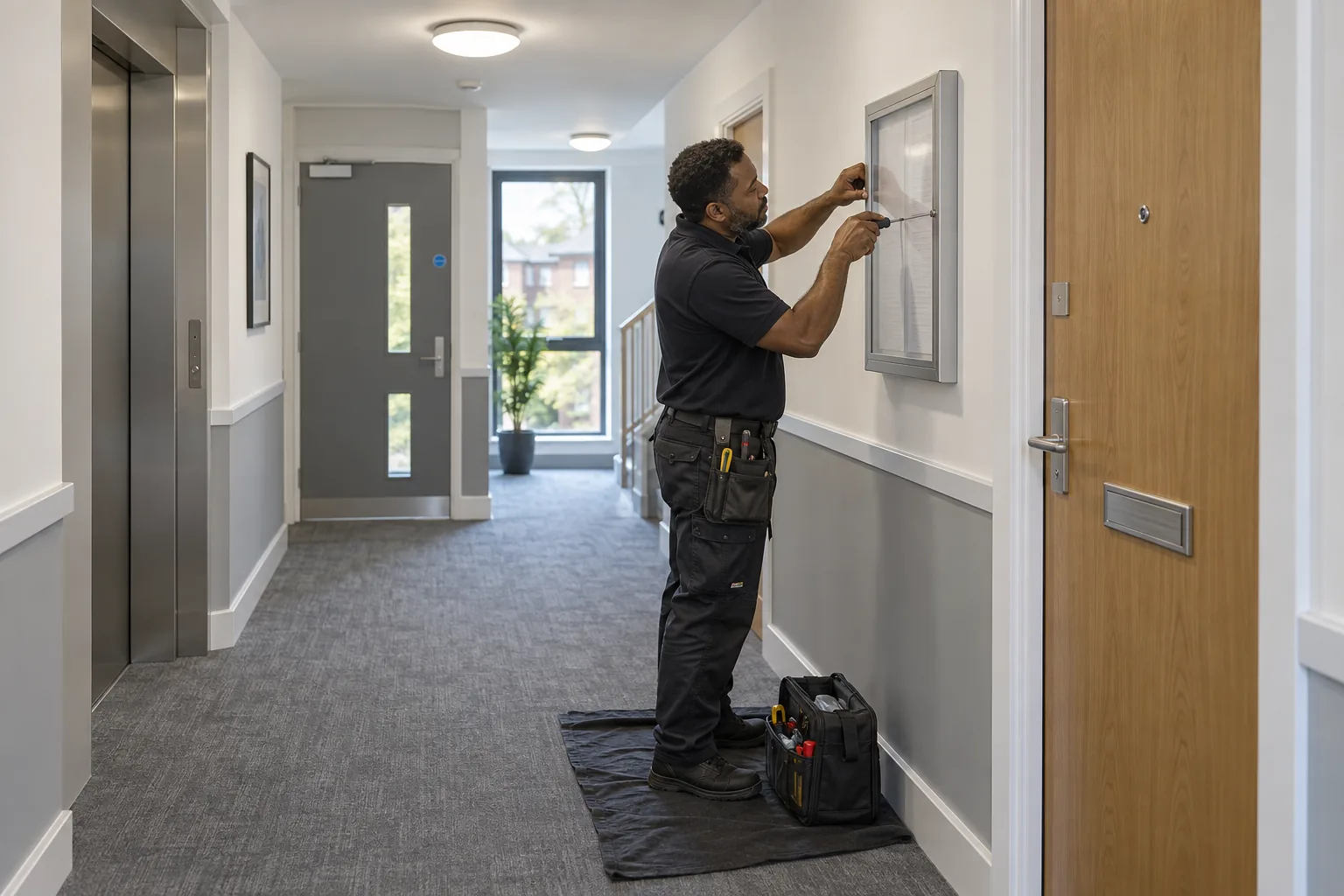
A defect inside a flat can involve a shared wall or landlord-controlled component. Check drilling, isolation, working-hour and waste-route rules with the responsible party. Protect corridors without blocking escape routes. Fire doors, entry systems and communal services need the building’s approved route.
For rentals, record who can approve extra work if damaged material or a missing part is uncovered. The occupier may provide access without authority to change the scope.
A FOUR-PART BOOKING CHECK
List each room, task and priority; separate repairs from optional improvements.
Send wide and close photographs, measurements and the access route.
Confirm parking, keys, lifts, working hours and who can approve a change.
Record inclusions, exclusions and findings needing a specialist or separate quotation.
WHY THE DETAIL MATTERS
A room-by-room list makes it clear which tasks were prepared, which were completed and which need another route.
Access, floor protection, drilling areas and waste handling are considered before work moves through an occupied home.
Hidden damage or missing parts can change a task. The next decision is explained rather than assumed inside the original price.
NEARBY COVERAGE
Property maintenance planning west of Abbey Wood.
Prepared repair visits for homes and flats in Charlton.
ABBEY WOOD HANDYMAN QUESTIONS
Yes, when each task is listed with photographs, products and priorities. The chosen working time must remain realistic for the complete list.
No. It uses published labour rates only. Materials, congestion, parking and unusual access are confirmed separately where relevant.
The landlord or managing party should approve changes outside the tenant’s authority. Shared walls, communal systems and controlled doors may need a separate building route.
No. The substrate, load, bracket and possible concealed services must be assessed. Some walls or unusually heavy items need another fixing plan.
Treat it as a controlled building asset and report it to the responsible manager. Inspection and repair may require a competent fire-door specialist.
Include the whole door and frame, hinges, latch, floor clearance and any sign of moisture or movement. Explain when the problem changes with weather or heating.
PREPARE THE ABBEY WOOD JOB LIST
Share wide photographs, measurements and access requirements so Bob’s can review the scope and explain the next step.