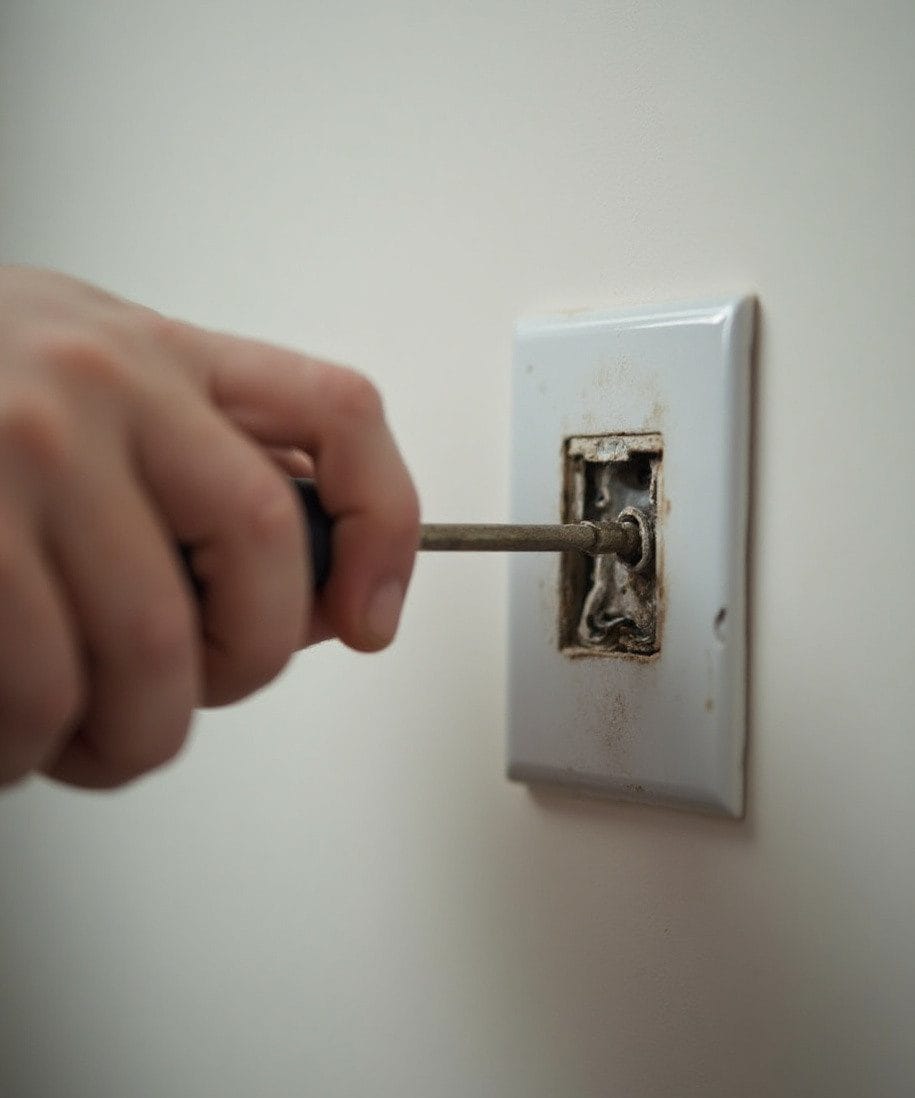
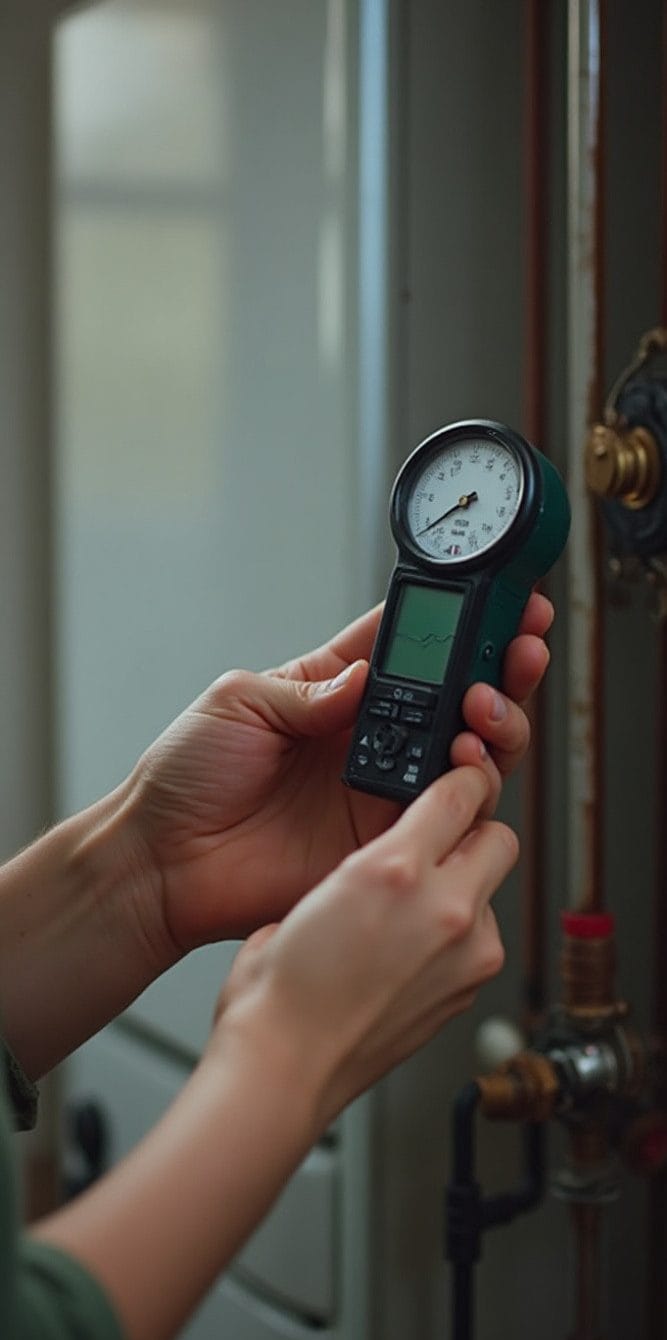
Improvement work becomes far more effective when it is planned around how a property is actually used. Rather than interrupting daily routines, the process is structured to work alongside them, allowing the space to remain functional throughout.
The first step is understanding the rhythm of the property. Each home has its own patterns—areas that are used more frequently, spaces that require more attention, and points where changes will have the greatest impact. Identifying these elements supports a clear usage-priority framework.
Once priorities are defined, tasks are arranged in a way that creates continuity. Instead of treating each job separately, the work follows a connected sequence where each step supports the next. This reduces repetition and ensures a smoother progressive execution flow.
Timing is managed carefully to avoid unnecessary disruption. Certain tasks are positioned earlier in the process to prevent them from affecting completed areas later. This creates a stable task-sequencing structure, where each stage builds on the previous one.
There is also an emphasis on maintaining access. Work is carried out in sections, allowing parts of the property to remain usable while improvements take place. This approach supports a consistent live-space accessibility balance, ensuring that daily routines can continue.
Flexibility plays a key role as well. No two properties are identical, and adapting to specific layouts or conditions helps maintain efficiency. This creates a responsive context-adaptive workflow, where adjustments are made based on real conditions rather than fixed assumptions.
Throughout the process, continuous checks are carried out. These are not final inspections, but ongoing refinements that ensure consistency at every stage. This helps maintain a reliable incremental quality alignment, preventing small inconsistencies from developing.
By the time the work is completed, the improvements feel integrated into the space rather than added on top of it. The result is a property that functions smoothly while maintaining a more refined appearance, achieving a balanced environmental continuity outcome.