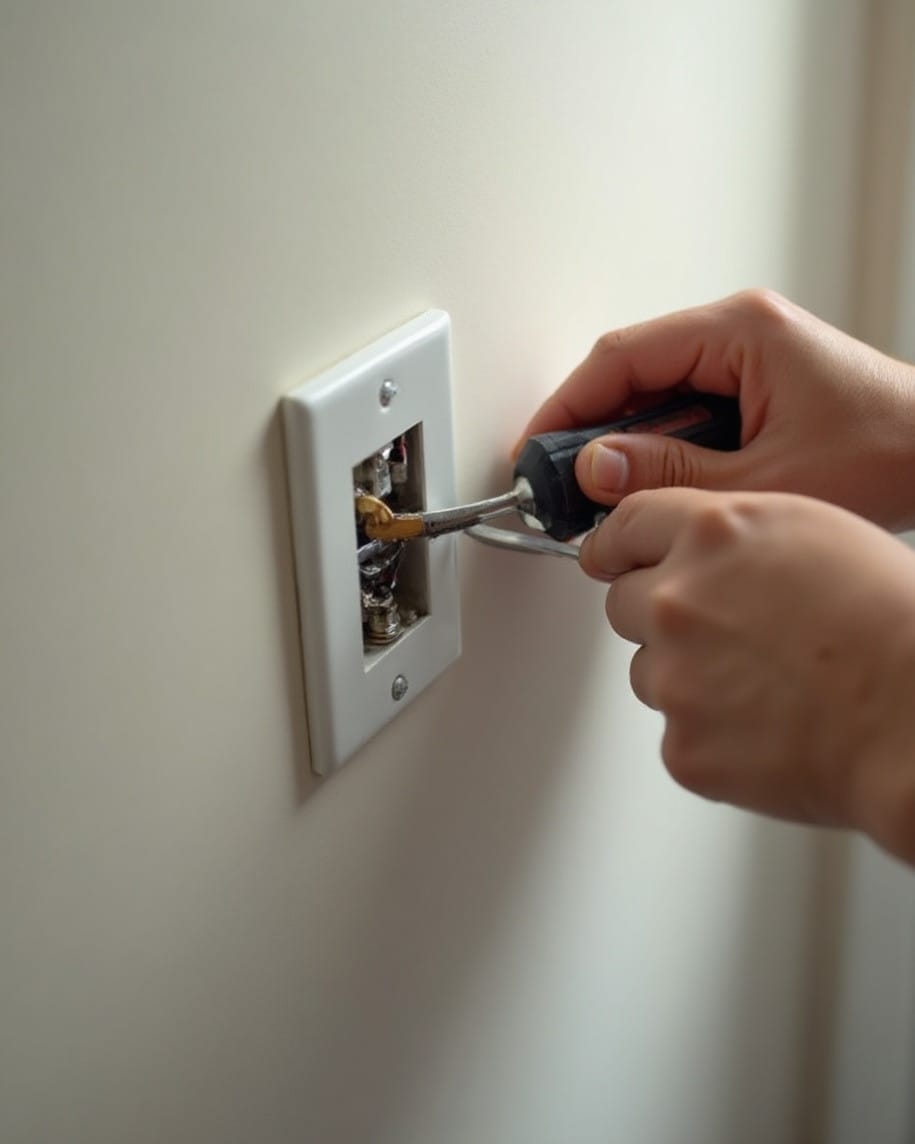
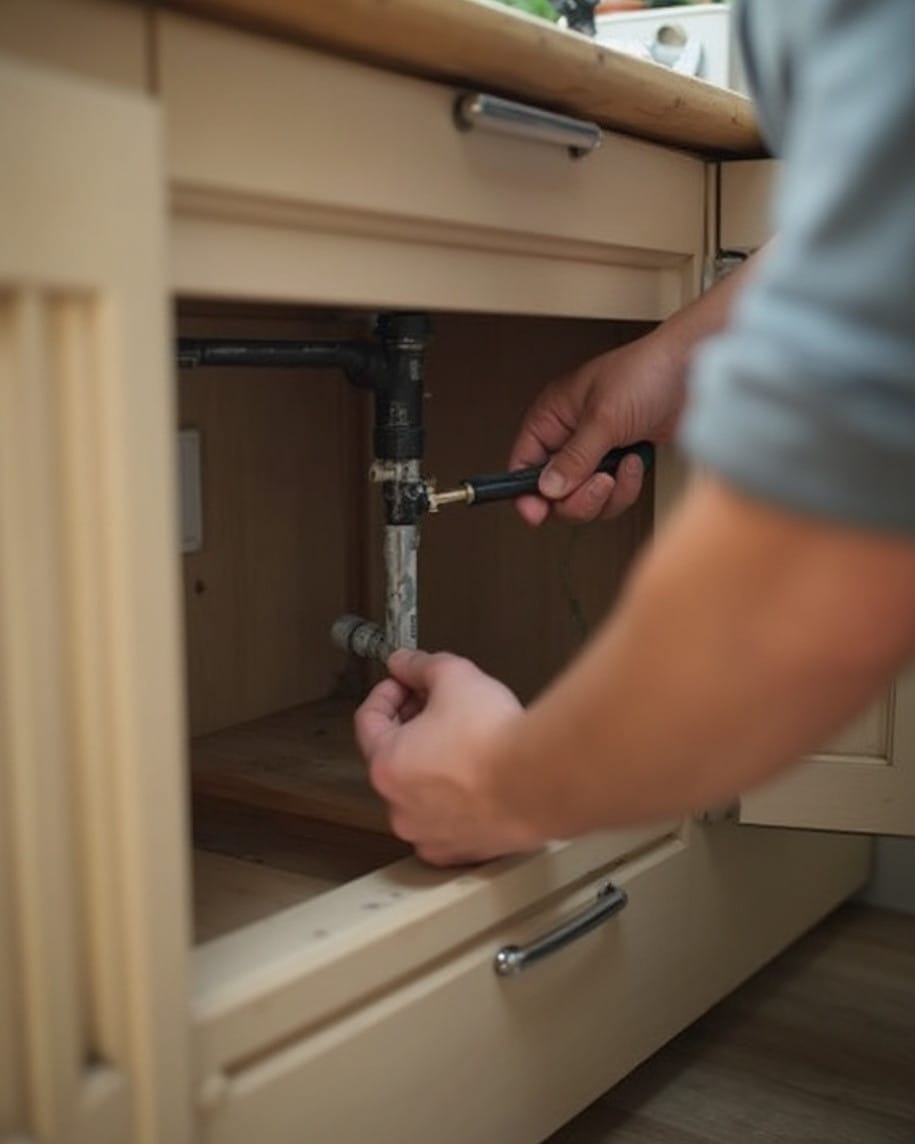
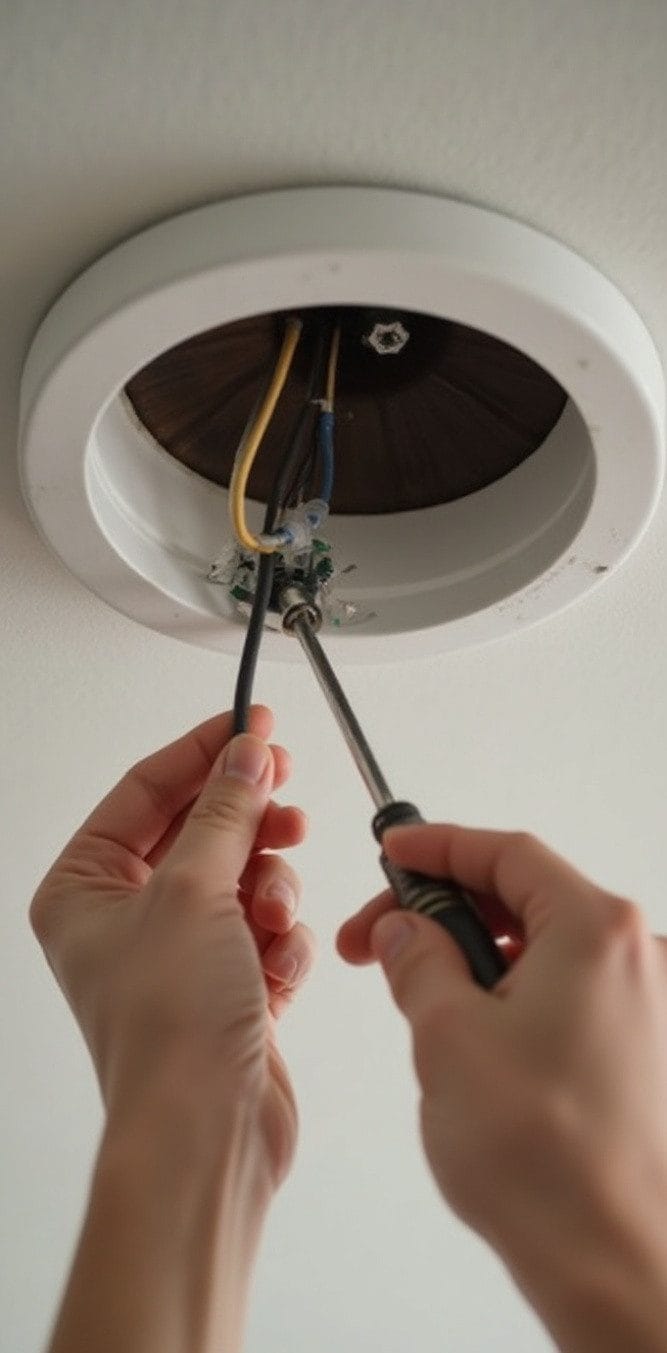
In many properties around Barnsbury, performance issues rarely present themselves as immediate faults. Instead, they emerge as gradual shifts in behaviour—cooling becomes inconsistent, flow loses pressure stability, or appliances respond with slight delay. These early indicators reflect a change in the operational consistency threshold, where systems continue functioning but no longer operate within optimal parameters.
At this stage, the challenge lies in detection rather than severity. Because these variations do not immediately interrupt daily use, they tend to go unnoticed. However, with continued operation, these small irregularities accumulate, forming a broader cumulative deviation pattern, where multiple micro-variations begin to affect overall system efficiency.
Continuous-use appliances amplify this effect. Fridges and freezers, for example, operate without interruption, which means even minor inefficiencies are constantly reinforced. Over time, this creates a subtle continuous-load fluctuation cycle, where system stability becomes less predictable.
There is also a direct impact on user interaction. Tasks that should feel effortless begin to require adjustment—cooling takes longer, cycles feel inconsistent, and results vary. Addressing these changes restores a smoother daily interaction stability, where systems respond in a predictable and reliable way.
Another critical factor is system dependency. Appliances do not operate in isolation—they rely on surrounding conditions such as airflow, positioning, and connection integrity. A small imbalance in one area can influence performance elsewhere, creating a broader inter-system dependency effect.
Environmental conditions further influence behaviour. Variations in room temperature, humidity, and ventilation can intensify existing inefficiencies. Managing these external factors supports a stable environmental response equilibrium, where performance remains consistent despite changing conditions.
Timing plays a decisive role in outcomes. Early-stage issues can often be corrected with minimal adjustment, but delays allow them to evolve into more complex problems. Acting at the right moment maintains a clear intervention timing advantage, keeping repairs controlled and efficient.
Ultimately, these subtle changes redefine how the property functions over time. Addressing them early preserves a strong long-term operational continuity, where systems remain stable, efficient, and predictable.