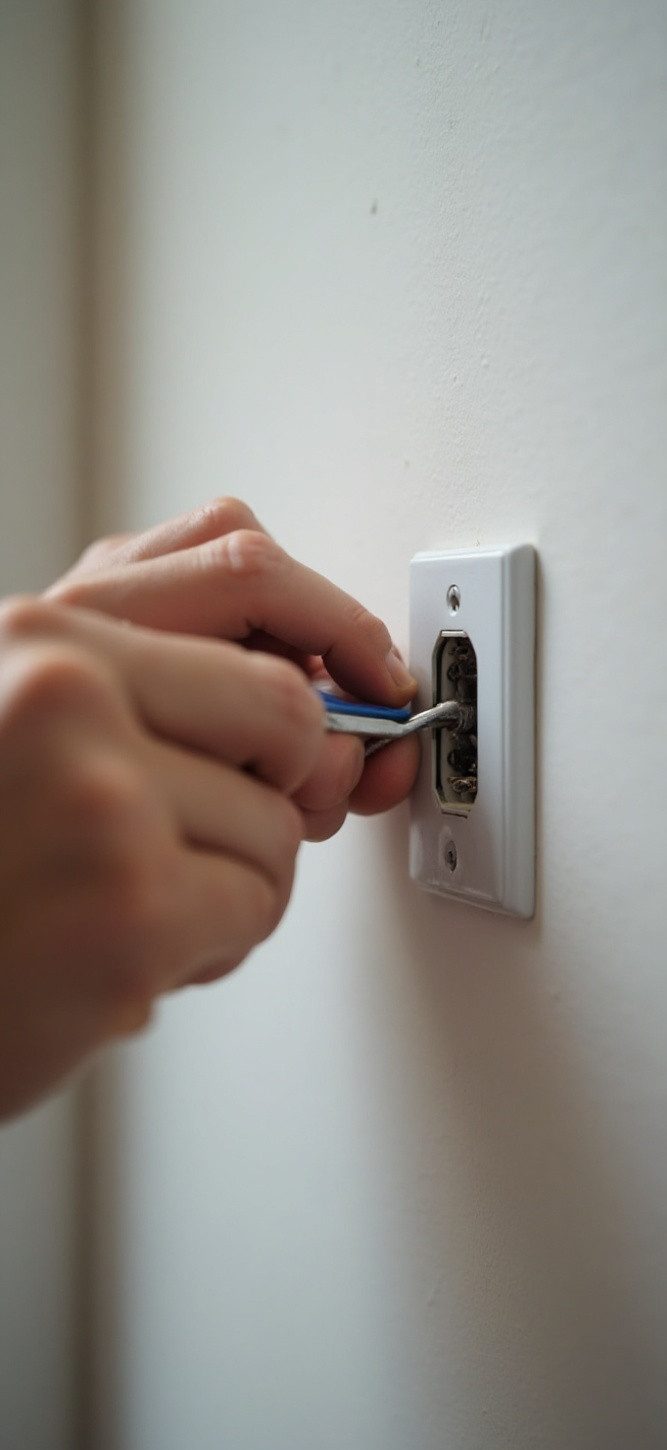
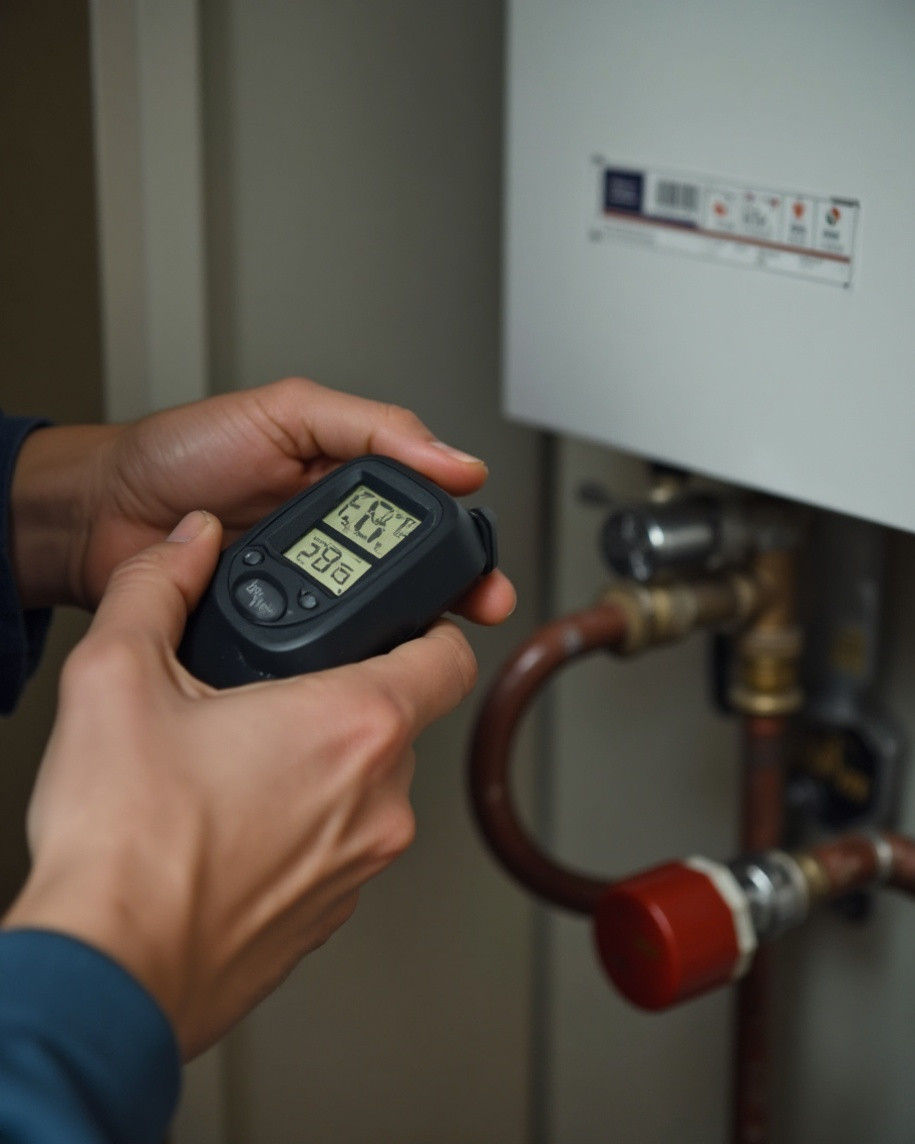
In many properties around Kentish Town, issues rarely appear as sudden faults. Instead, they develop through subtle changes in performance—slight resistance in movement, reduced alignment, or slower response. These early indicators reflect a shift in the performance tolerance threshold, where systems continue to function but no longer operate at optimal efficiency.
At this stage, the problem is not visibility but progression. Because the issue does not immediately interrupt usage, it continues to evolve unnoticed. Over time, repeated interaction increases stress on affected components, creating a wider incremental stress accumulation, where pressure spreads beyond the original point of fault.
Usage patterns amplify this effect. Frequently used elements—such as doors, taps, and access points—experience repeated micro-strain throughout the day. This leads to a gradual cycle-based wear distribution, where movement itself becomes a contributing factor to long-term deterioration.
There is also a compounding effect on usability. When multiple small inefficiencies exist simultaneously, they subtly disrupt routine interaction. Tasks that should feel effortless begin to require adjustment, reducing the overall interaction fluidity balance within the space.
Another key factor is dependency between components. Many elements within a property are interconnected, meaning a small deviation in one area can influence behaviour elsewhere. Addressing these early helps maintain a stable systemic interdependency equilibrium, preventing chain reactions of minor faults.
Environmental conditions further accelerate these changes. Temperature variation, humidity, and material expansion all influence how fittings behave over time. Managing these influences supports a consistent environment-driven response stability, where external factors do not compromise internal performance.
There is also a timing dimension. Delaying intervention allows the issue to move from a controlled state to a more complex one, increasing the scope of repair. Acting early helps maintain a controlled intervention timing advantage, where solutions remain simple and effective.
Ultimately, these gradual changes reshape how the property functions as a whole. Addressing them early preserves a reliable long-term operational continuity, where systems remain stable, predictable, and efficient.