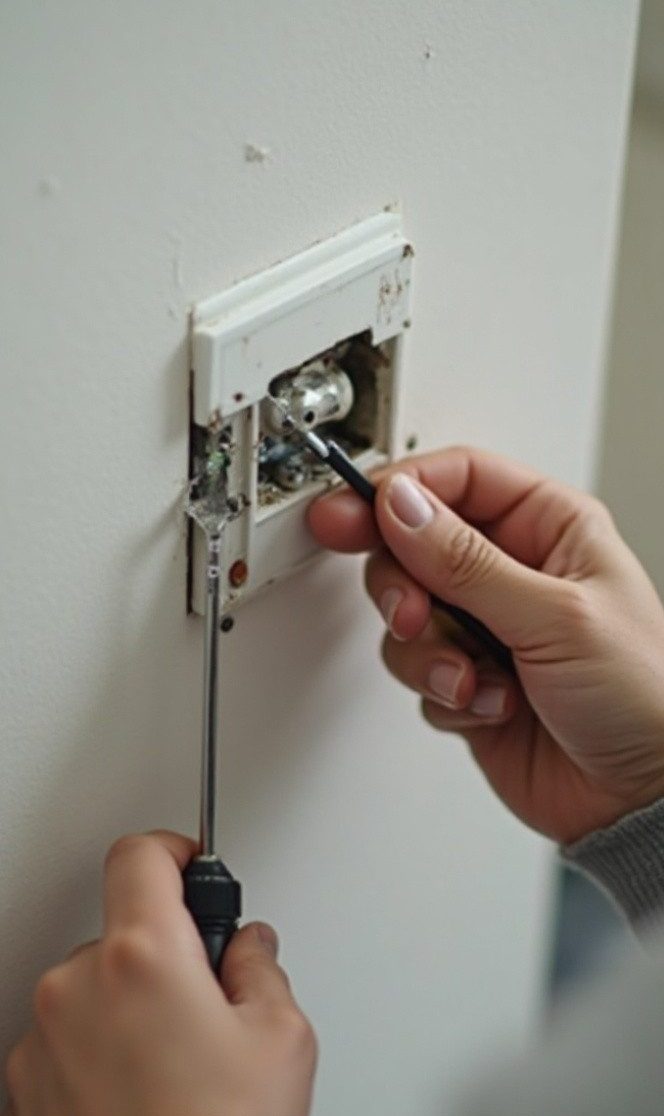
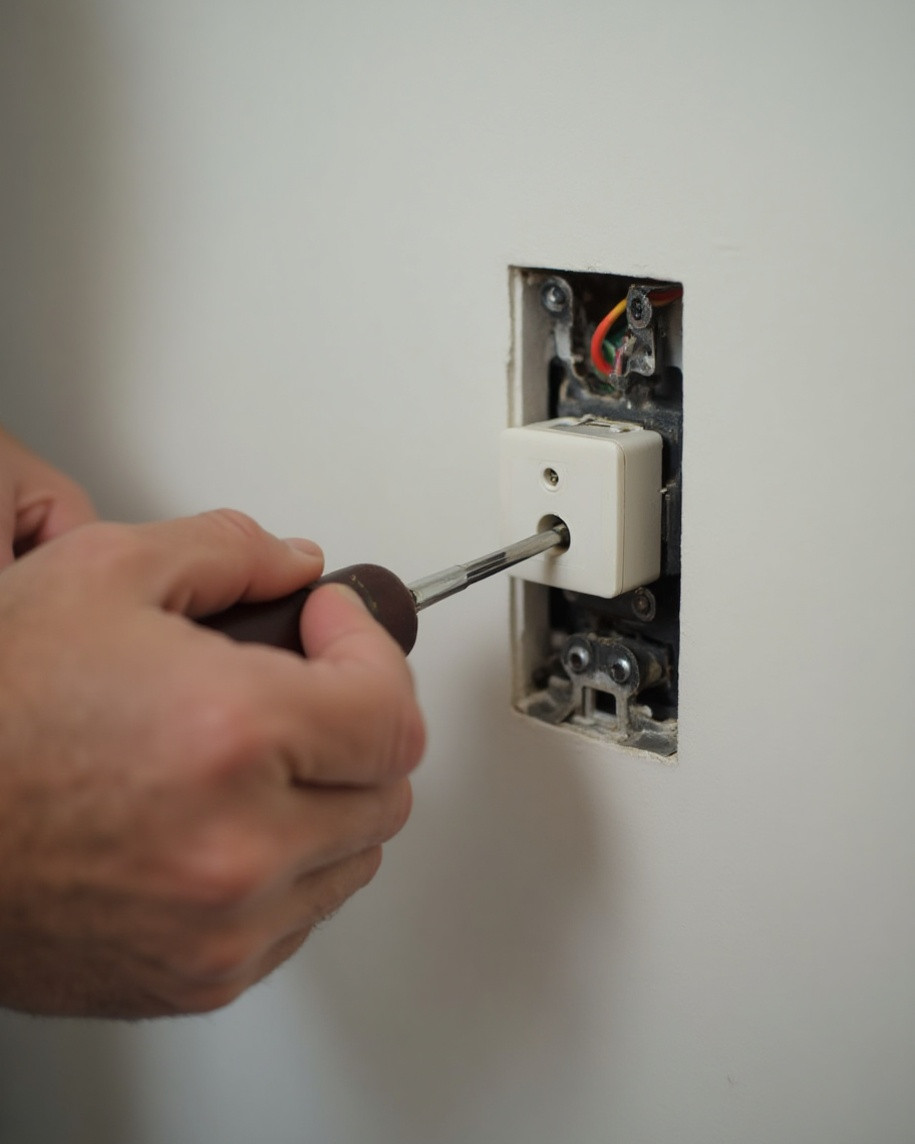
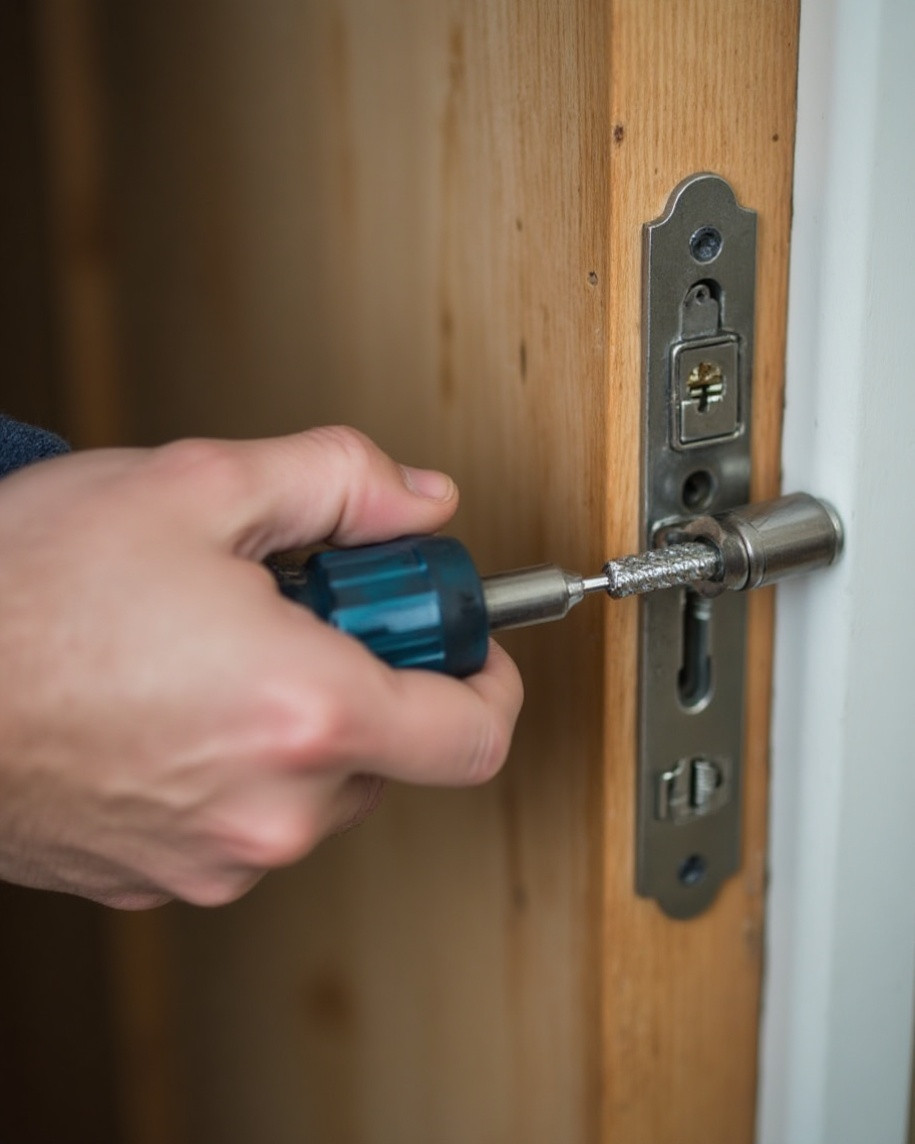
Each visit begins with a practical inspection of the issue rather than immediate work. This step is important because many faults are not as straightforward as they appear. A loose fitting, for example, may be caused by internal damage behind the surface rather than just surface wear. This initial check is a key part of delivering reliable handyman services in real residential environments.
Once the issue is properly understood, the working area is prepared carefully. This includes protecting flooring, nearby furniture, and any surfaces that could be affected during drilling, sealing, or adjustment work. In many Winchmore Hill flats, space is limited, so preparation helps ensure that the job is completed cleanly and safely without unnecessary disruption, especially when carrying out home repair services in compact rooms.
The method used depends entirely on the nature of the task. For structural fittings, correct wall anchors are selected based on whether the surface is solid brick, plasterboard, or a mixed structure. In other cases, sealants are applied where movement or gaps have developed, particularly around fixtures exposed to moisture. Each material is chosen for durability rather than appearance alone, which is important in long-term small repair work.
During the process, attention is given to alignment, stability, and how the repaired item will perform under regular use. Many issues in homes are not caused by initial installation but by long-term pressure or movement, so simply reattaching something is often not enough. Reinforcement or correction is applied where necessary to prevent repeat issues and maintain reliable property maintenance services.
After completion, a final check is carried out to confirm that everything is secure and functioning correctly. This includes testing movement, checking alignment, and ensuring that all fixings are properly seated. If anything requires minor adjustment, it is corrected immediately rather than left for later.