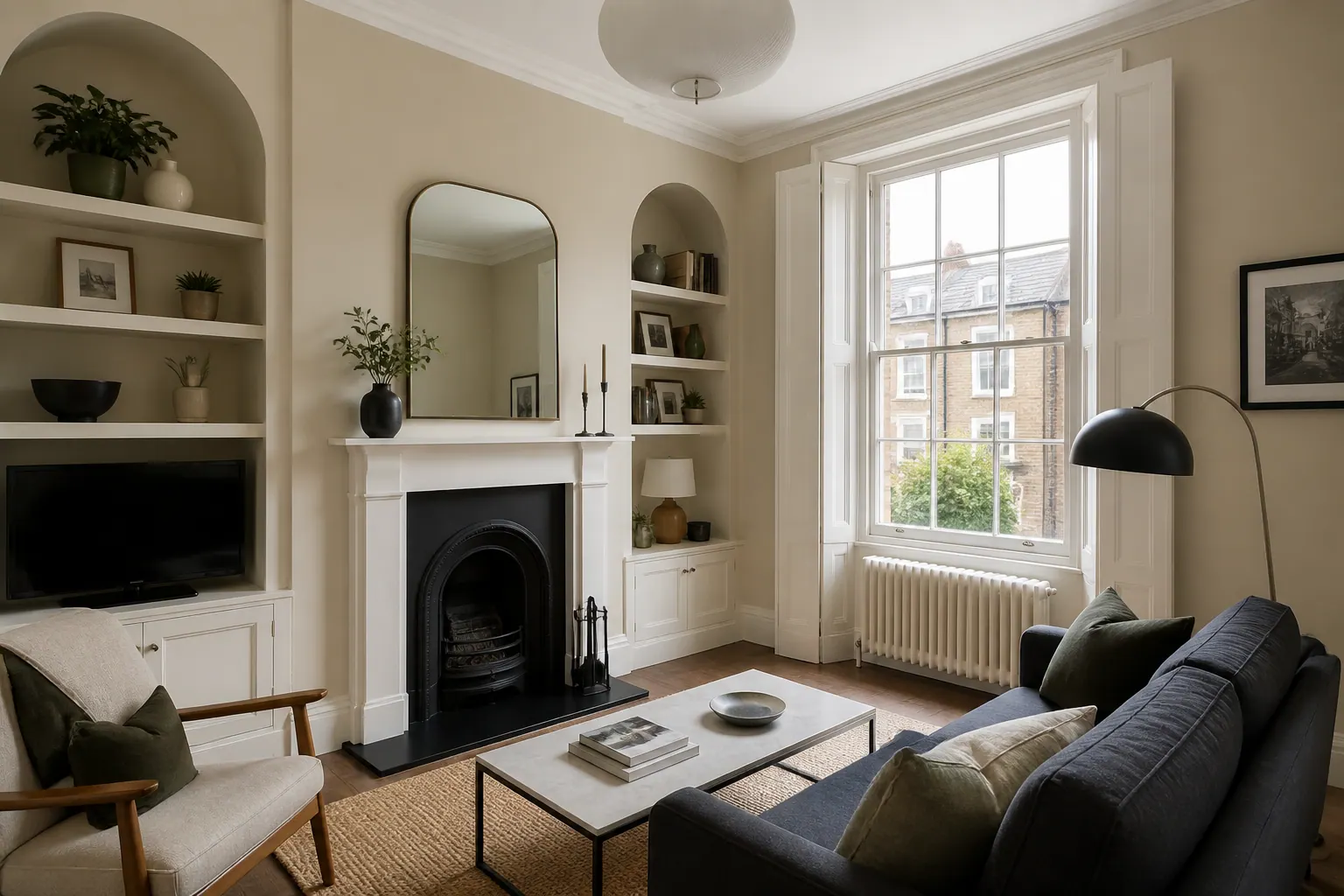

Leytonstone properties include a wide range of housing styles, from older Victorian terraces and converted flats to newer residential blocks. Each type behaves differently over time, but the general pattern is consistent: gradual wear develops through daily use and eventually affects both appearance and function, which is where a property maintenance service becomes important.
In older homes, walls and surfaces often show signs of long-term living. Scuff marks, small cracks, and uneven finishes are common in hallways, living rooms, and staircases. These are not usually structural problems but cosmetic issues that build up slowly over time. In many Leytonstone properties, they become more noticeable under natural light and are often first addressed during routine home repair work.
Doors and internal fittings also tend to shift over time. Timber frames react to changes in temperature and humidity, which can lead to sticking doors, misaligned hinges, or handles that feel loose. In homes that have been occupied for long periods, these issues gradually worsen until they start affecting everyday use, making regular handyman repairs necessary.
Electrical systems in Leytonstone homes vary depending on age and previous renovation work. Some properties still contain older wiring layouts or mixed installations, which can lead to flickering lights, inconsistent power, or unreliable switches. These issues often develop slowly rather than suddenly and are usually identified during ongoing electrical maintenance work.
Bathrooms and kitchens also contribute to general wear in a more subtle way. Moisture affects paint, sealants, and fittings over time, especially in homes with limited ventilation. While each issue may seem minor on its own, together they create a need for coordinated property repair service to maintain overall condition.
Lighting fixtures and wall-mounted fittings are another common area where wear appears. Repeated use, vibration, or previous poor installation can gradually weaken fixings, especially in older plaster or masonry walls found in many Leytonstone homes.