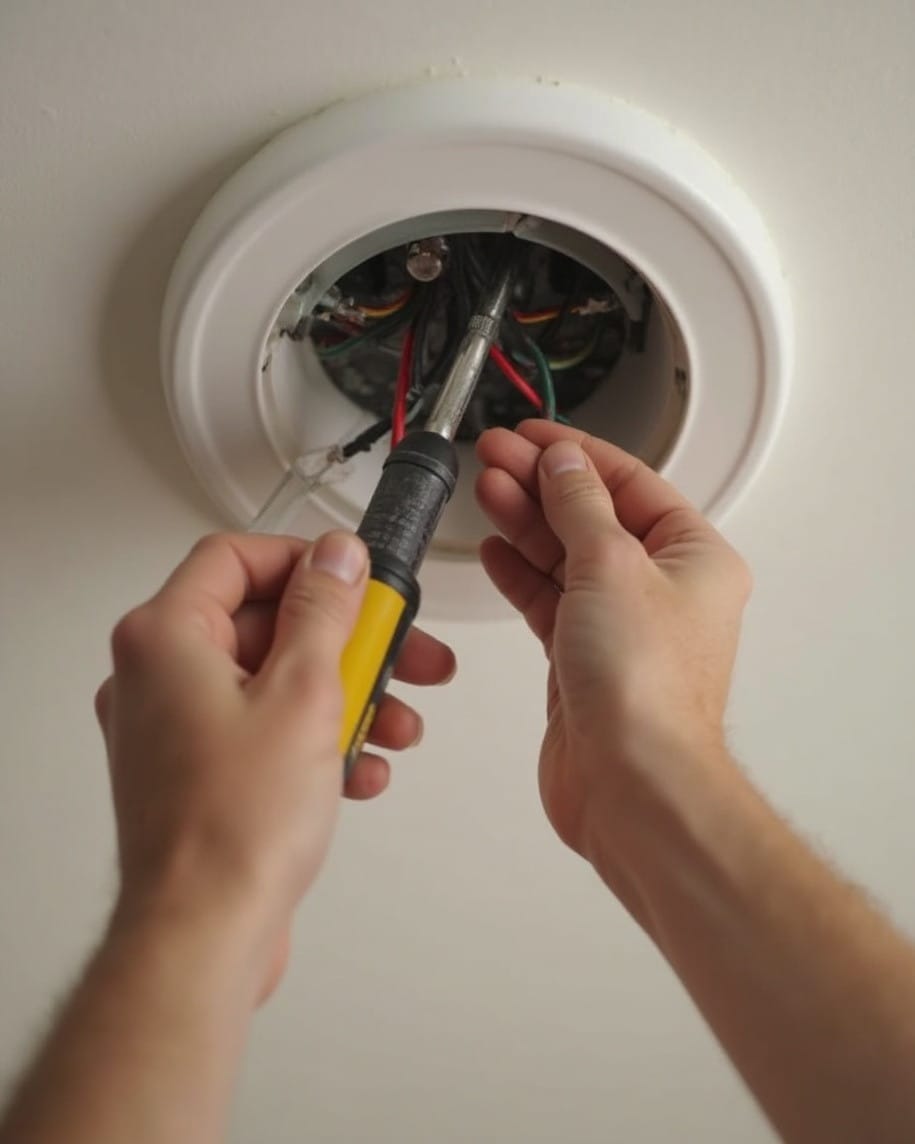
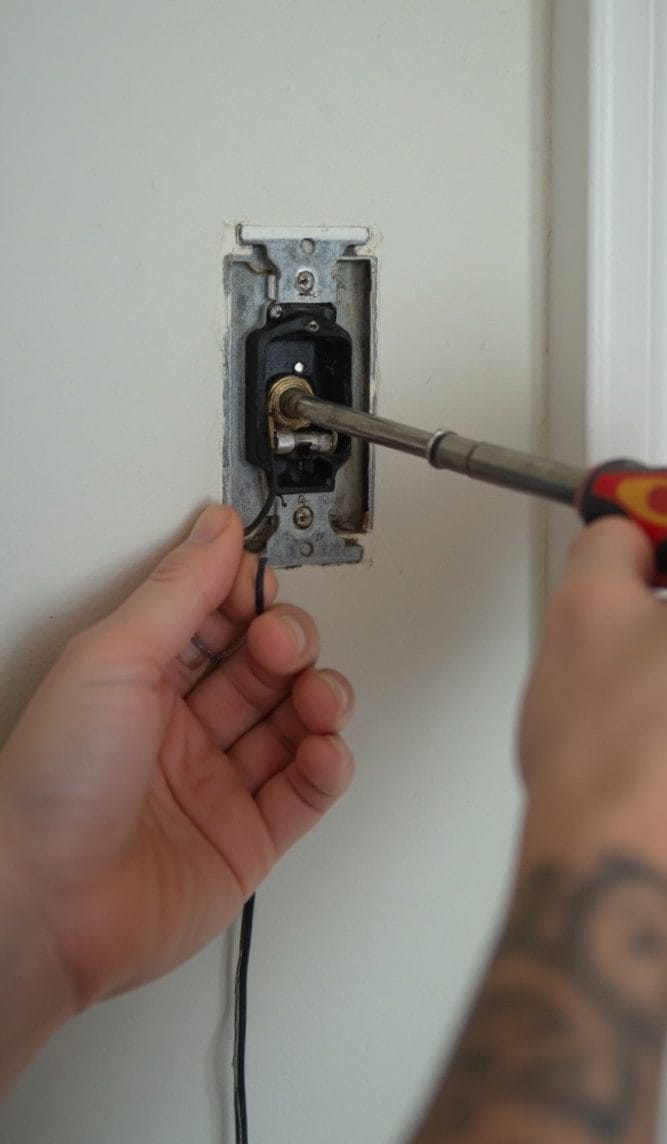
In Twickenham homes, interior setup often involves a combination of wall mounting and furniture assembly that needs to be handled with precision. Doing these tasks separately can lead to misalignment, repeated adjustments, and inconsistent results. Managing everything together in a single workflow supports integrated home setup solutions and ensures a more balanced finish across the space.
The process begins with a detailed assessment of the room layout. Placement is not just about filling space—it’s about balance, usability, and visual alignment. Factors such as wall dimensions, natural light, furniture positioning, and viewing angles are considered before any work begins. This supports layout-focused setup planning and helps create a cohesive environment.
Preparation is a critical stage. Different wall types—such as plasterboard, brick, or concrete—require specific fixing methods. Identifying the correct tools and fittings ensures that items are mounted securely without causing damage. This supports safe installation preparation and reduces the risk of future issues.
Execution follows a structured order. Wall-mounted items such as mirrors and artwork are installed first to establish positioning and spacing. Once this is complete, furniture assembly is carried out with careful alignment to match the overall layout. This supports sequential setup execution and avoids the need for repositioning later.
Accuracy plays a major role throughout the process. Measurements are checked multiple times to ensure items are level, evenly spaced, and securely fixed. Even small misalignments can affect the overall look, so maintaining precision-based installation results is essential.
Flexibility is also important. Twickenham properties vary in design and structure, meaning adjustments may be required during installation. A handyman can adapt quickly to these conditions, supporting adaptive setup handling without compromising quality.
Another advantage of this approach is coordination. Handling all setup tasks in one visit allows for better alignment between wall-mounted items and furniture placement. This supports coordinated interior execution and creates a more unified result.