Carrying out maintenance in Ealing properties requires a structured approach to ensure that all work is completed efficiently and to a consistent standard. Properties in this area vary widely, from period homes to modern flats, which means each job must be handled with flexibility while still following a clear method. This creates the foundation for dependable property repair organisation.
The process begins by reviewing all required tasks and identifying priorities. Urgent issues that affect usability or safety are addressed first, while less critical work is planned within the same visit. This step supports effective repair scheduling solutions and ensures that no task is missed or delayed.
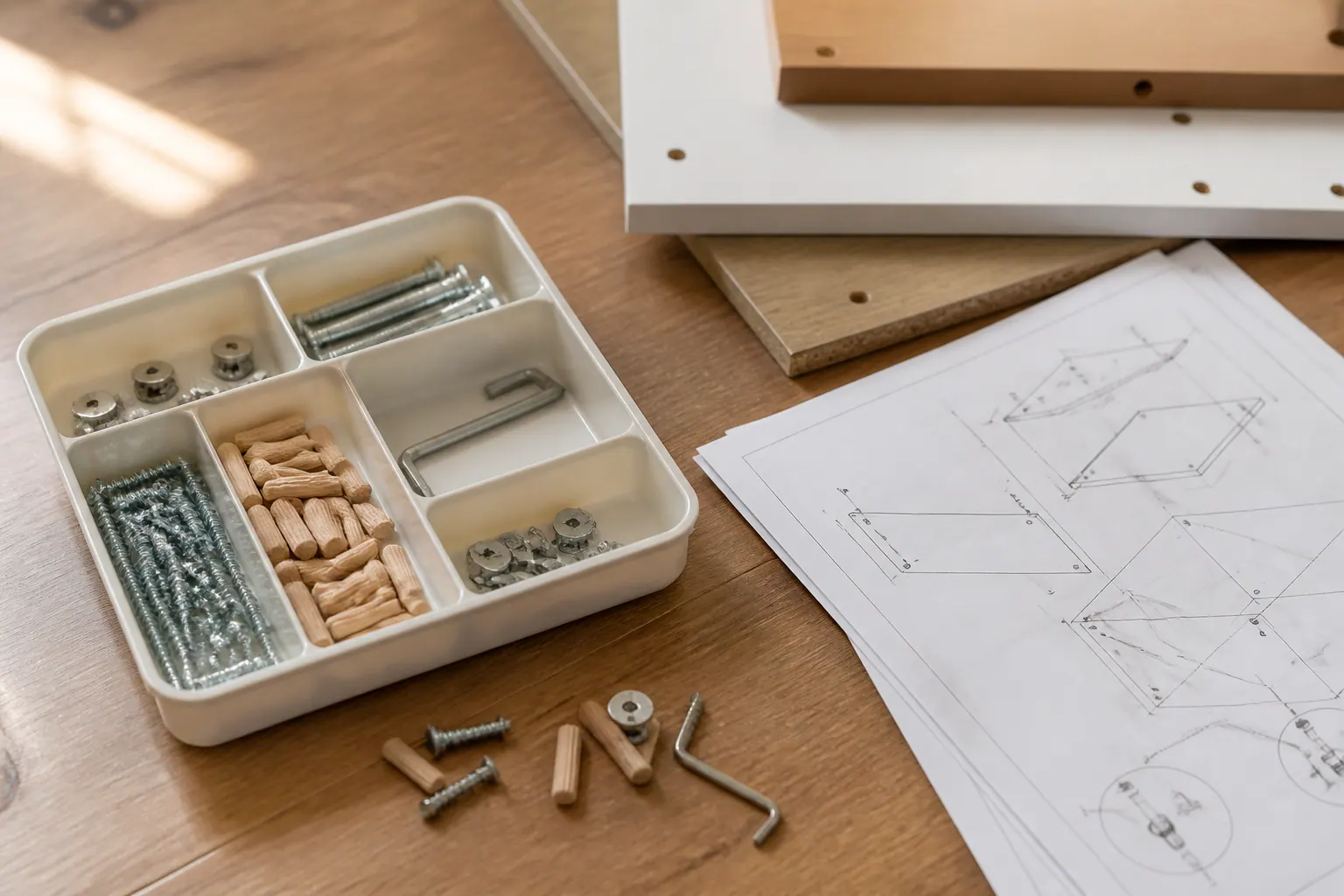
Preparation is an important stage before starting any work. Surfaces, fixtures, and installation points are carefully checked to confirm they are suitable for repair or fitting. This helps avoid complications during the job and contributes to reliable pre-maintenance inspection.
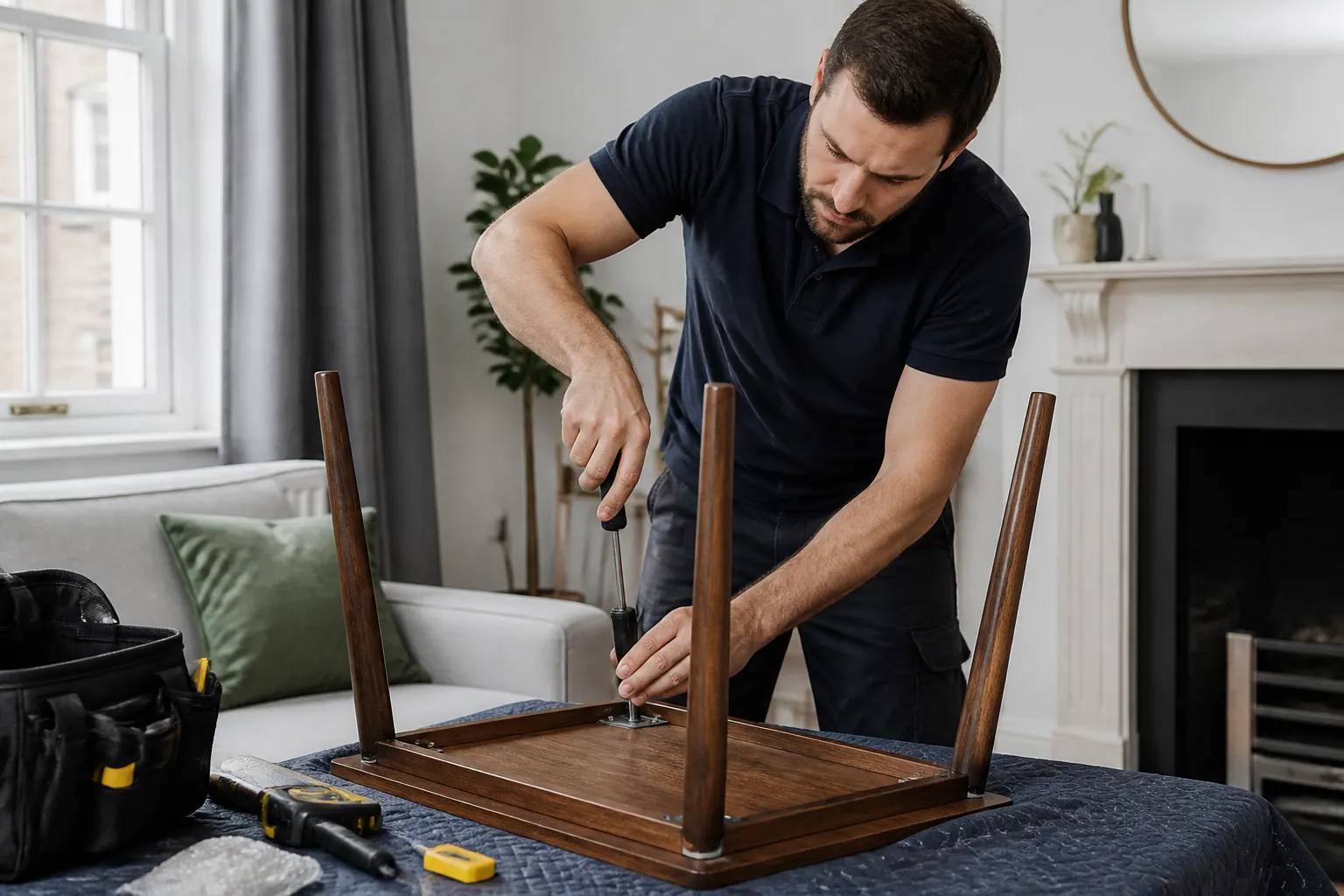
Tasks are then carried out in a logical order to improve efficiency. Repairs and installations are completed first, followed by finishing work such as painting, adjustments, or refinements. This structured workflow supports sequential repair execution and reduces the need to revisit completed areas.
Working with different materials requires precision and care. Whether handling wood, metal, or modern fittings, the correct tools and techniques are applied to ensure durability and a clean finish. This reflects the quality of multi-material maintenance handling and helps maintain the long-term condition of the property.
Maintaining a clean and organised workspace is also essential during the process. Keeping the working area controlled helps protect completed work and reduces the risk of damage, supporting efficient controlled worksite management.
Flexibility is another key part of effective maintenance work. As tasks are completed, additional minor issues such as loose fittings or small defects may become visible. Addressing these immediately improves the overall outcome and supports responsive adaptive repair handling.
A final review ensures that all completed tasks are secure, functional, and finished to a consistent standard. Fixtures are tested, adjustments are made where needed, and all work is checked carefully. This defines reliable local repair services and ensures the property is left in a well-maintained condition.