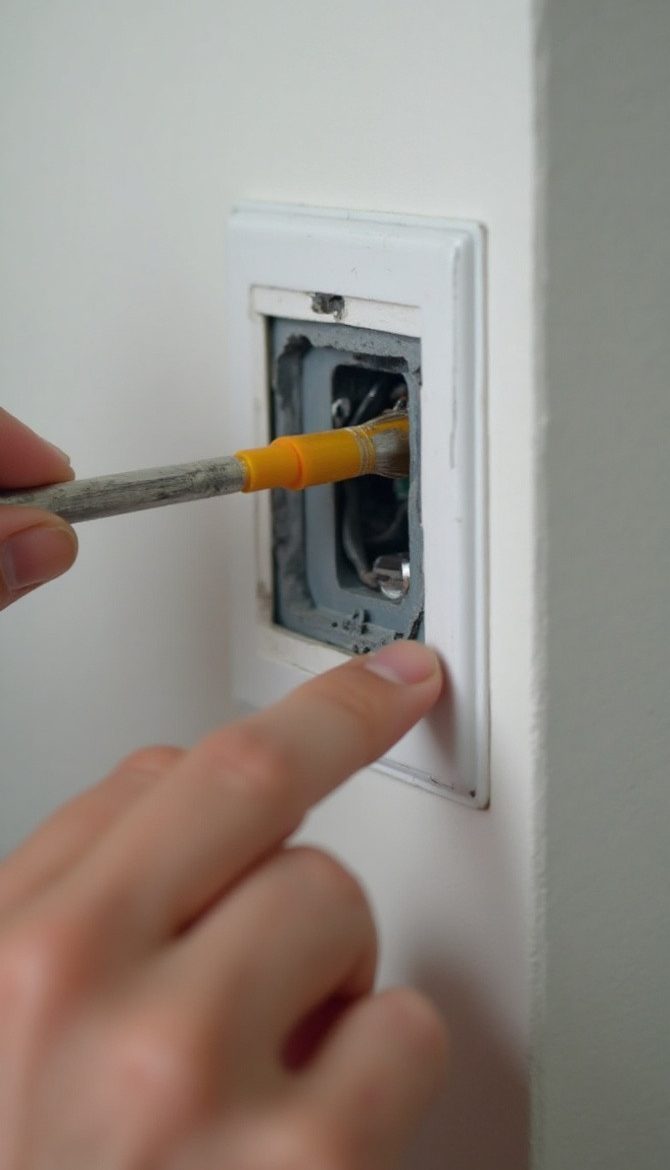
Each visit is approached based on what the property actually needs, rather than following a fixed routine. The first step is always a short inspection to understand what’s causing the issue and whether anything else is contributing to it. For example, a dripping tap might be a simple seal replacement, or it could point to wear in the fitting itself. This stage is essential for accurate repair assessment services.
Once the issue is clear, the workspace is prepared so the job can be completed without creating additional problems. This might involve moving furniture, creating access to tight areas, or protecting floors and surfaces. In Wimbledon properties, especially in upper-floor flats or busy households, this stage helps keep the work organised and efficient, supporting smooth on-site repair preparation.
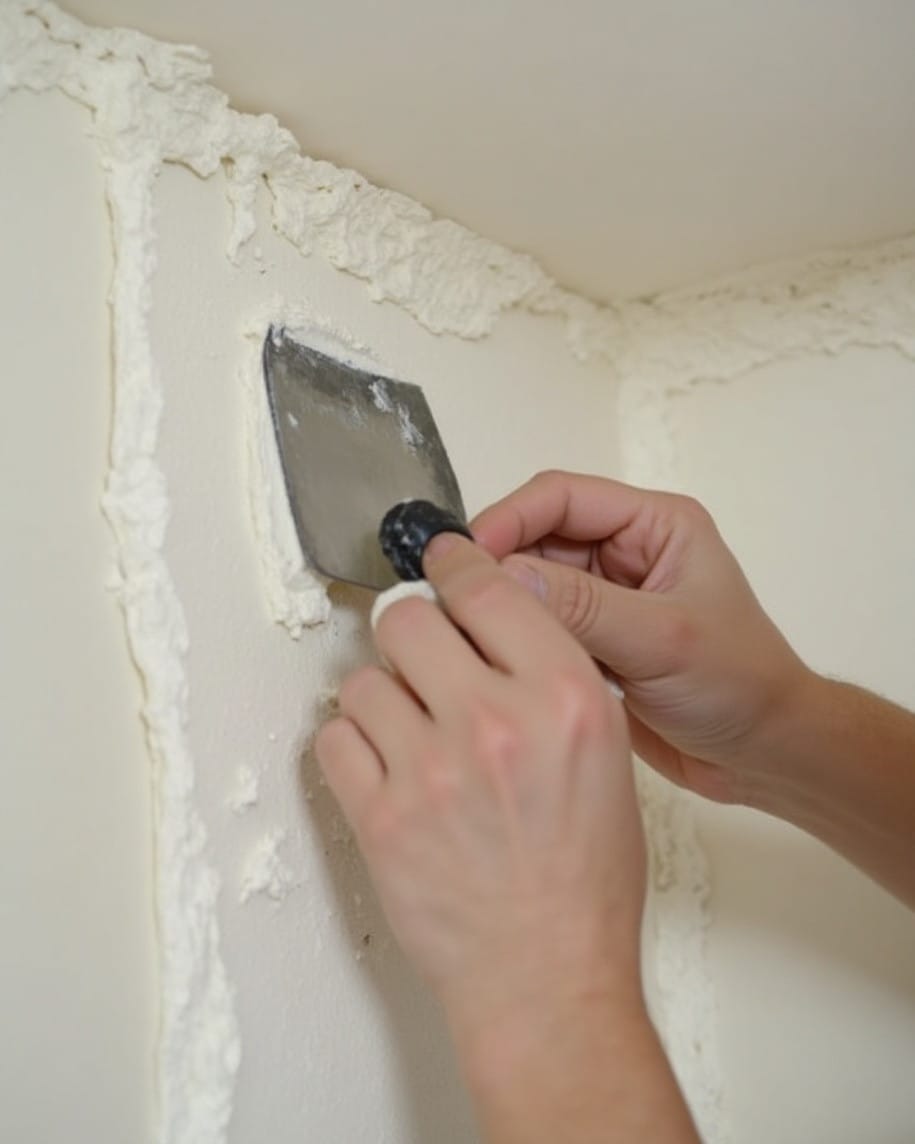
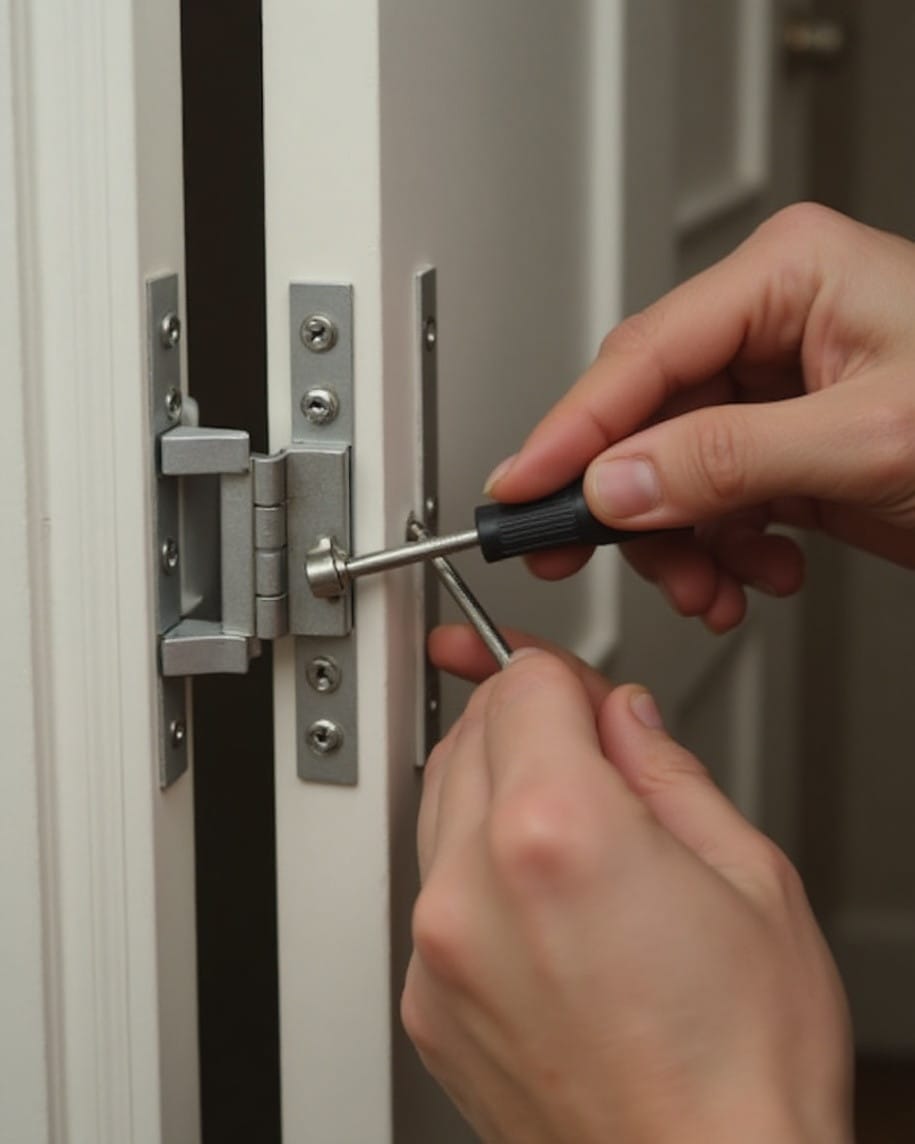
The actual work is then carried out using appropriate tools and materials suited to the task. Whether it’s securing fittings, adjusting doors, or repairing minor damage, attention to detail is what ensures the result lasts. This is particularly important for jobs involving alignment or structural fixing, where small errors can lead to repeated issues. These types of tasks are a core part of dependable general property maintenance.
After completing the work, everything is tested and adjusted as needed. Doors are checked for smooth movement, fittings are secured, and repaired areas are inspected to ensure stability. A final check confirms that the issue has been resolved properly, not just temporarily. This final stage is a key part of thorough repair completion checks.
Most visits take between one and three hours depending on the number of tasks and the overall condition of the property. In some cases, especially with worn materials, repairs may not be enough and replacement becomes the better option. When that happens, it’s explained clearly so you can make the right decision for long-term home maintenance reliability.