The neat arrangement in an empty dining room can conceal the contact that damages a wall or fitting. Explain where chairs move and where people pass during ordinary use. A new wall item or repaired detail should be considered with those movements in mind, not only the table’s resting position.
If a table appears to rock, describe the symptom rather than asking automatically for a leg to be shortened. The furniture, its joints and its placement can be different parts of the question. Do not improvise a permanent alteration before the cause is understood, particularly where the table has an extension mechanism or specific product requirements.
Furniture that supports people deserves caution. A loose chair joint is not merely a cosmetic nuisance, and ordinary use should stop if stability is in doubt. Bob’s can review the stated condition, but not every damaged item is a suitable general repair. The outcome may be a recommendation for specialist repair or replacement.
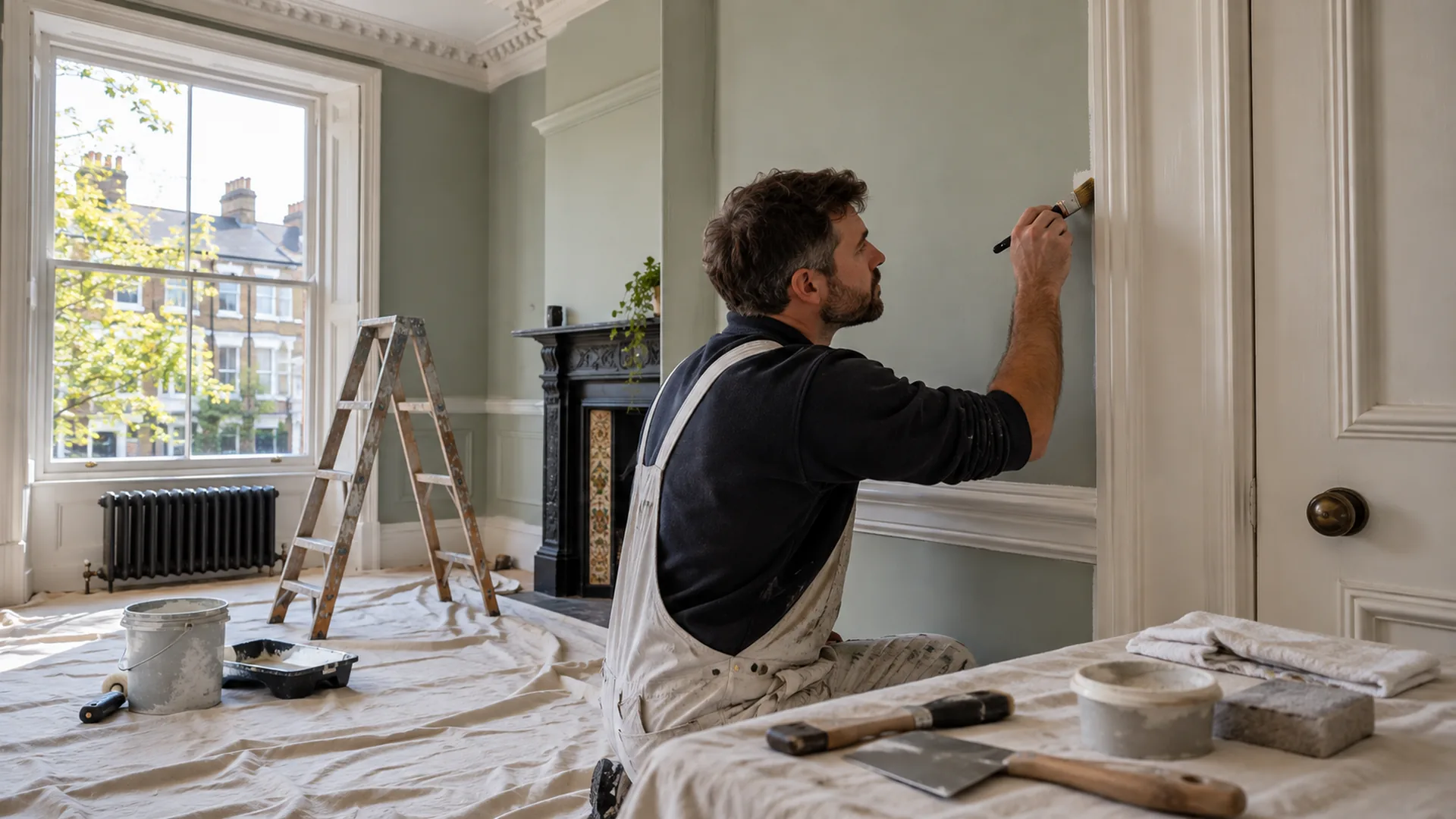
Finishing work also needs a realistic pause in use. Keep the dining surface and household belongings outside the agreed active work area, and follow any return-to-use instructions for coatings or adhesives. A room being needed for the next meal does not shorten a product’s required waiting period.
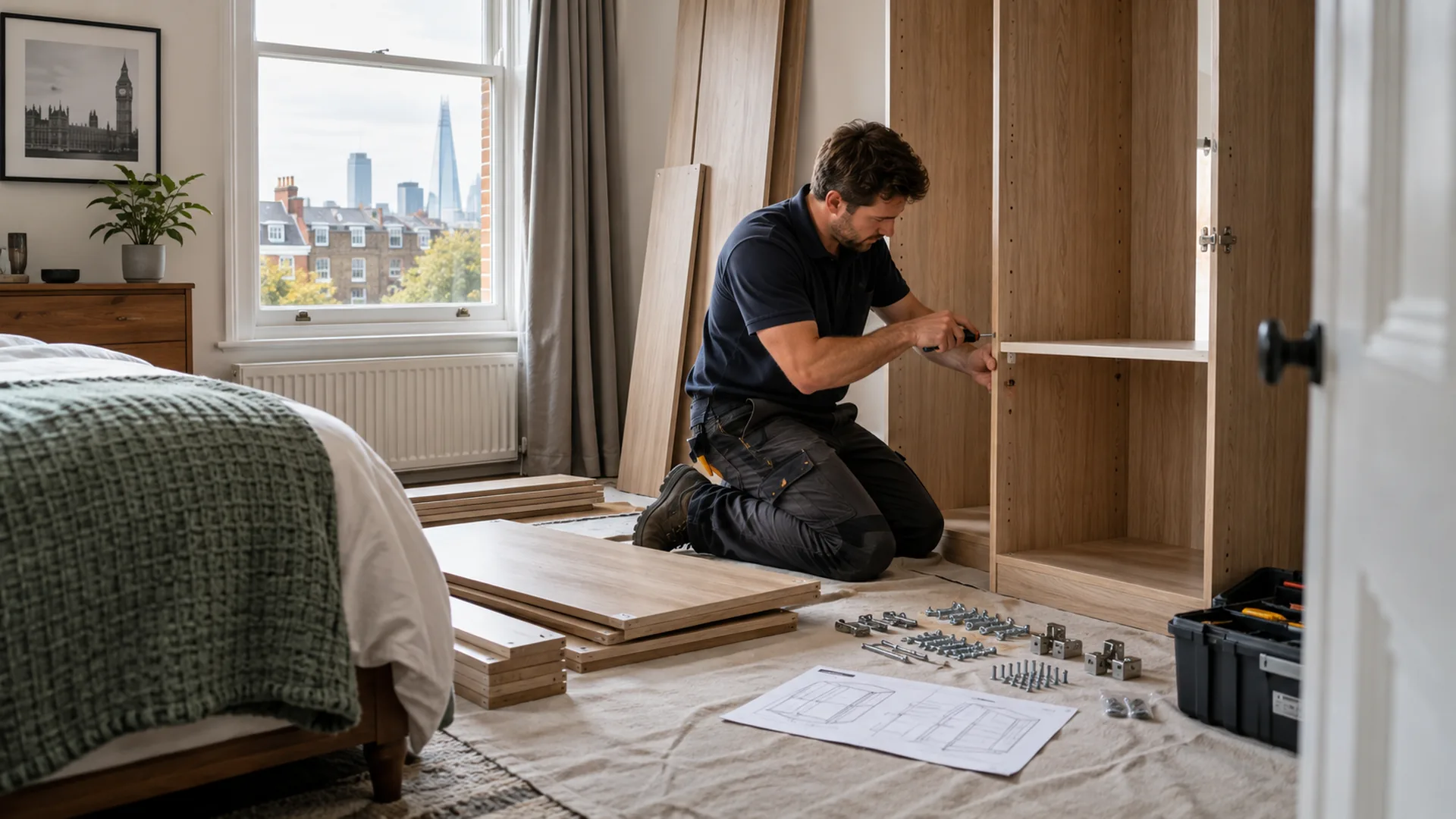
When several tasks are discussed, identify which can stand alone. A suitable wall fitting need not be described as dependent on repairing an unsuitable chair, while decoration should not conceal an unresolved defect. This makes the enquiry manageable without pretending the whole room is one simple job.