
Keep the original evidence
Photograph an existing defect and retain the report reference before anyone changes its appearance. Avoid sending private resident details in photographs.
REPAIR WHAT IS YOURS TO REPAIR · CUSTOM HOUSE
An established home and a newly handed-over flat need different decisions. In Custom House, Bob’s can review the household repairs and fittings you want help with while keeping landlord defects, warranties and optional improvements clearly separated.

CUSTOM HOUSE PROPERTY PLANNING
Keep the handover pack beside the furniture catalogue when settling into a new Custom House home. The instructions can explain where a personal fitting is permitted and how to report a supplied component that does not work properly. Newham’s regeneration update identifies completed energy-efficient homes on Leslie Road and Freemasons Road. For residents moving into this type of property, understanding the supplied systems should come before commissioning alterations around them.
For an established property, an ordinary repair may still be worthwhile even when longer-term changes are being discussed. A sticking drawer, loose household fitting or damaged patch of wall affects daily life now. Agree the ownership and intended outcome before spending money, particularly where the landlord already has a repair open or the room is due for planned work. Avoid duplicating something another contractor is instructed to replace.
For a recently completed home, distinguish a defect from an addition. A door supplied with the property that does not close properly may belong on the developer or landlord’s defect list. A personal mirror or flat-pack cabinet is a different enquiry. Keep the handover information and report original defects before altering them, so evidence and warranty routes are not lost.
Modern building performance also relies on details that should not be changed casually. Do not block ventilation openings or make unapproved penetrations through the building envelope to accommodate a new item. Use the property’s instructions and the responsible manager’s advice where needed. Household fitting work should respect the building’s intended operation rather than quietly bypass it.
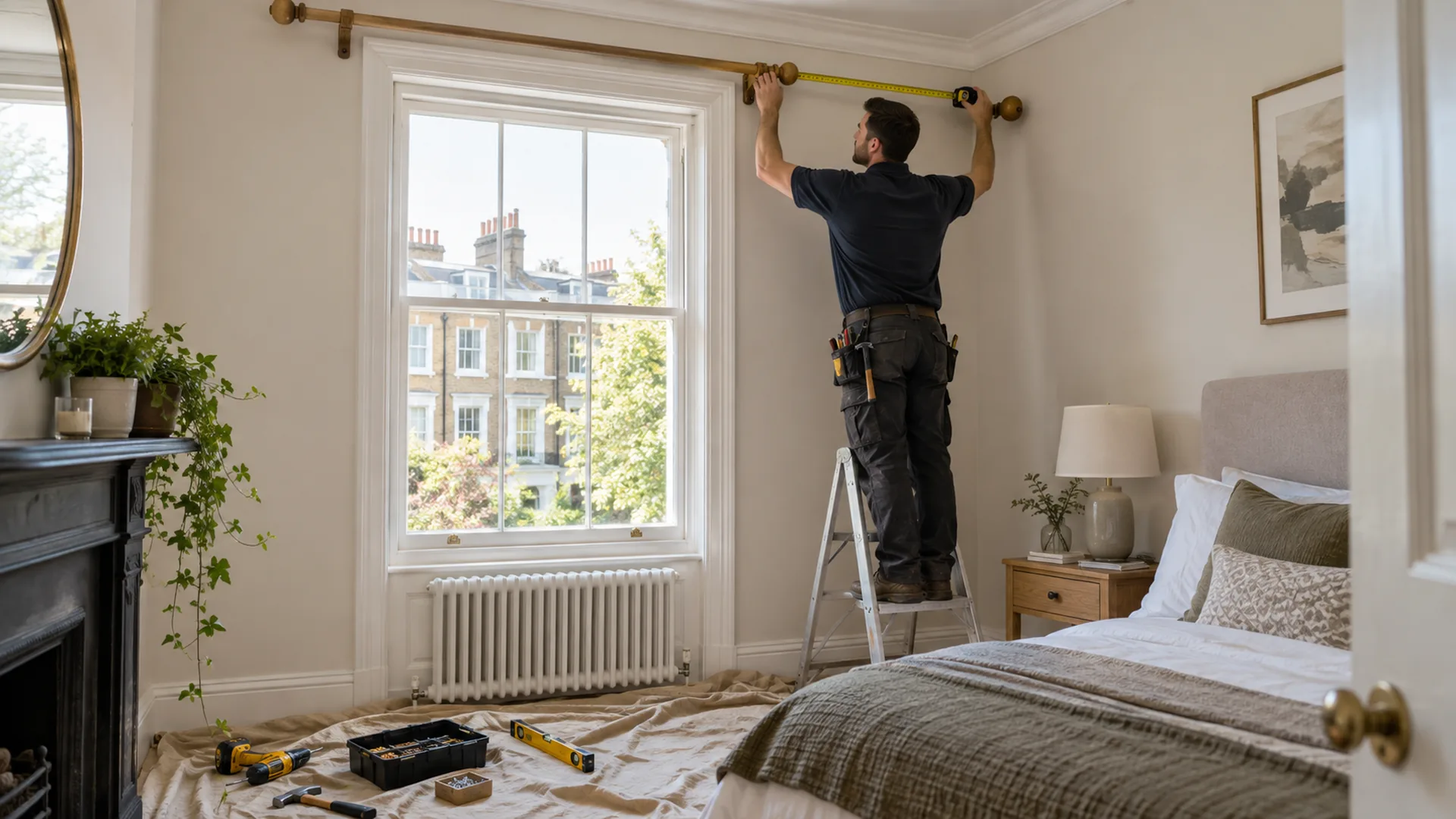
THREE LISTS ARE CLEARER THAN ONE
Use one list for defects supplied with the property, another for your own maintenance and a third for optional improvements. Put a reference beside anything already reported to the landlord or developer. This prevents a quotation for a personal fitting being mistaken for acceptance of responsibility for the building around it.
For your own items, decide what needs to be fixed permanently and what can remain movable. A cabinet assembled to its instructions may be easier to relocate than bespoke shelving, although required restraints still need to be provided. Keep dimensions for the future position in mind if a move is planned, but do not compromise present stability or safe use to make relocation easier.
Before the visit, explain any other contractor appointments affecting the same room. There is little value in fitting a rail where a wall is about to be opened for authorised remedial work. Sequence those works first, allow the surface to be made ready, then install the personal items. Where the timing is uncertain, ask for the affected task to be deferred rather than repeatedly removed and refitted.
HOME MAINTENANCE PLANNER & HANDYMAN JOB CHECKER
Use the checker to organise the jobs you are considering. It can suggest service routes, but it cannot decide a landlord’s responsibility or whether a new-home defect is covered by a warranty.
A SIMPLE ENQUIRY ROUTE
Photograph an existing defect and retain the report reference before anyone changes its appearance. Avoid sending private resident details in photographs.
Identify personal furniture and fittings that can proceed without interfering with landlord or developer work. List any approvals still outstanding.
Share relevant dates for remedial work and deliveries. The room should be available and the products complete when the fitting appointment takes place.
Keep product manuals, mounting details and any restrictions after installation. They remain useful when the room changes or an item is moved.
CUSTOM HOUSE APPOINTMENT QUESTIONS
The best first step can be a report, a permission check or a handyman enquiry, depending on the item.
Report it through the relevant defect or landlord route first. Keep the evidence and seek agreement before alteration, especially where the door has a fire-safety role. A private adjustment could obscure the original condition.
Check the resident guidance, wall construction and any permissions that apply. Provide the shelf specification and proposed contents. A new-looking wall is not proof of a particular backing or fixing capacity.
It depends on the confirmed programme and the cupboard’s current use and ownership. Ask what is already scheduled before paying for work that may be undone; a useful interim repair should have a clear purpose.
Keep the affected area accessible until the responsible party has inspected and resolved it. Concealment can make investigation harder, particularly if the mark changes or moisture is involved.
A separate quotation can be considered once responsibility, the completed repair and surface readiness are established. Confirm whether the landlord’s contractor is already required to do the finishing.
No. It organises household concerns and suggests services. It does not inspect construction, establish liability or submit a defect report to a landlord, developer or warranty provider.
NEARBY COVERAGE
For work elsewhere around the Royal Docks, use the page matching the property location.
Handyman enquiries for neighbouring Canning Town homes.
Practical household maintenance towards Beckton.
CUSTOM HOUSE HANDYMAN ENQUIRIES
Tell Bob’s which items are yours, what has already been reported and where a personal fitting is wanted. Include any resident guidance that affects the work so the proposed visit does not conflict with existing repairs.