
Handover snag
Record it against developer guidance before alteration, with dated wide and close photographs.
SNAG · RESIDENT FITTING · ESTATE REPAIR
New apartments, post-war estates and older terraces can place similar symptoms under different responsibility. Bob’s helps classify the item before resident work is priced or a warranty issue is accidentally covered.
REGENERATION ADDS TO AN EXISTING HOUSING MIX
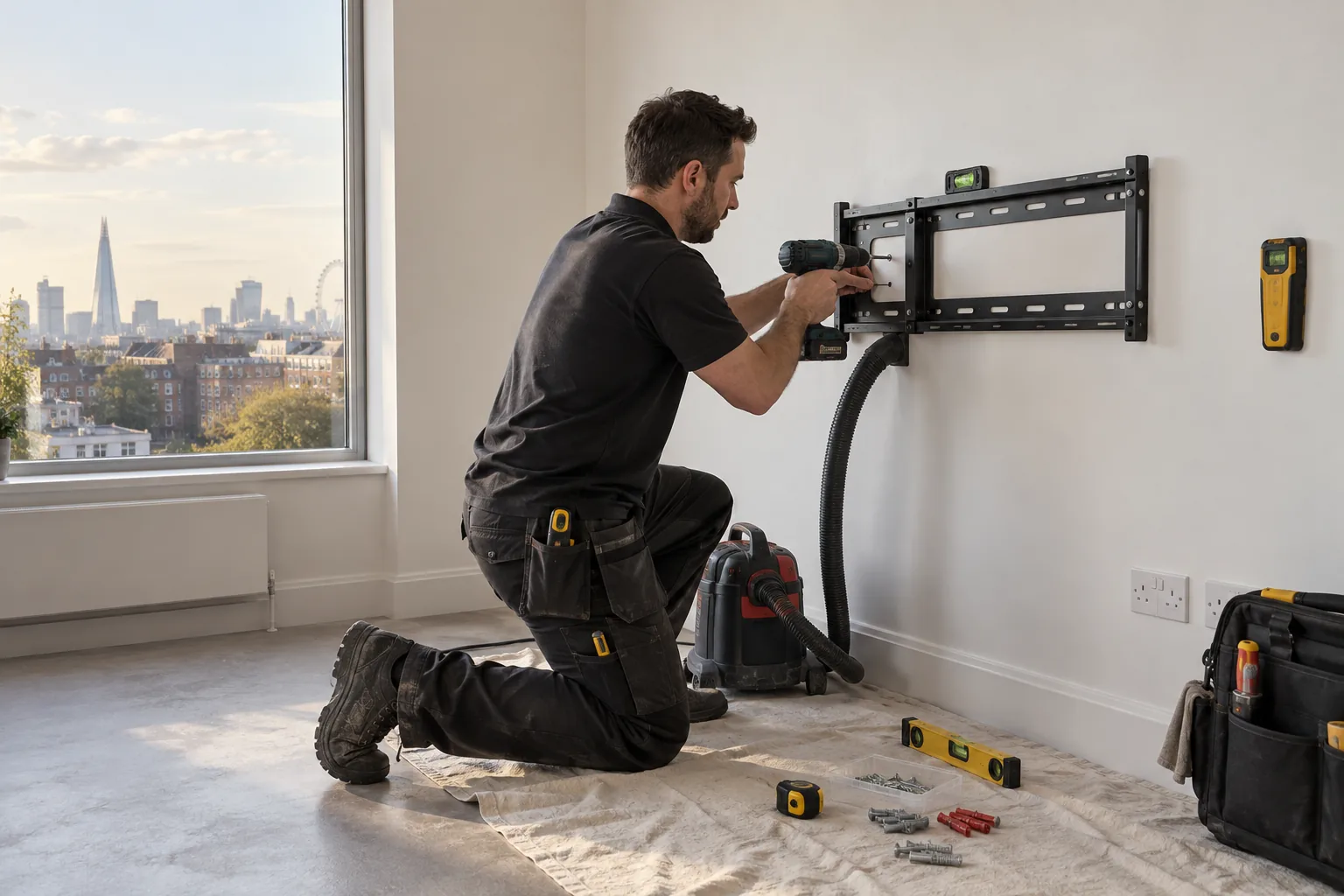
Newham’s Local Plan describes Canning Town as a residential neighbourhood containing terraced houses, walk-up maisonette blocks, point towers and contemporary flats after several periods of redevelopment. The newer neighbourhood policy supports further housing and public-realm change while protecting local character and improving connections. This mixed context makes a clear route more useful than an area-wide assumption.
For a recent home, check the handover and defects procedure before drilling, filling or adjusting an unexplained item. On an estate, report communal doors, lighting and structure to the landlord. In an older house, record later linings and service routes. Bob’s can complete suitable resident-authorised fittings and ordinary repairs after these boundaries are settled.
CLASSIFY BEFORE QUOTING
Put each item on the route that owns the evidence and remedy.
Record it against developer guidance before alteration, with dated wide and close photographs.
Confirm product, position, wall type and approval for mirrors, shelves, blinds or furniture restraints.
Report the exact location and consequence to the landlord rather than commissioning private work.
Define the failed component and supporting condition before choosing an adjustment or replacement.
RESIDENT-WORK LABOUR GUIDE
The calculator applies Bob’s published weekday labour rates. It excludes products, materials, parking, warranty work, communal assets, landlord actions and regulated services.
CREATE A THREE-COLUMN DEFECT LOG
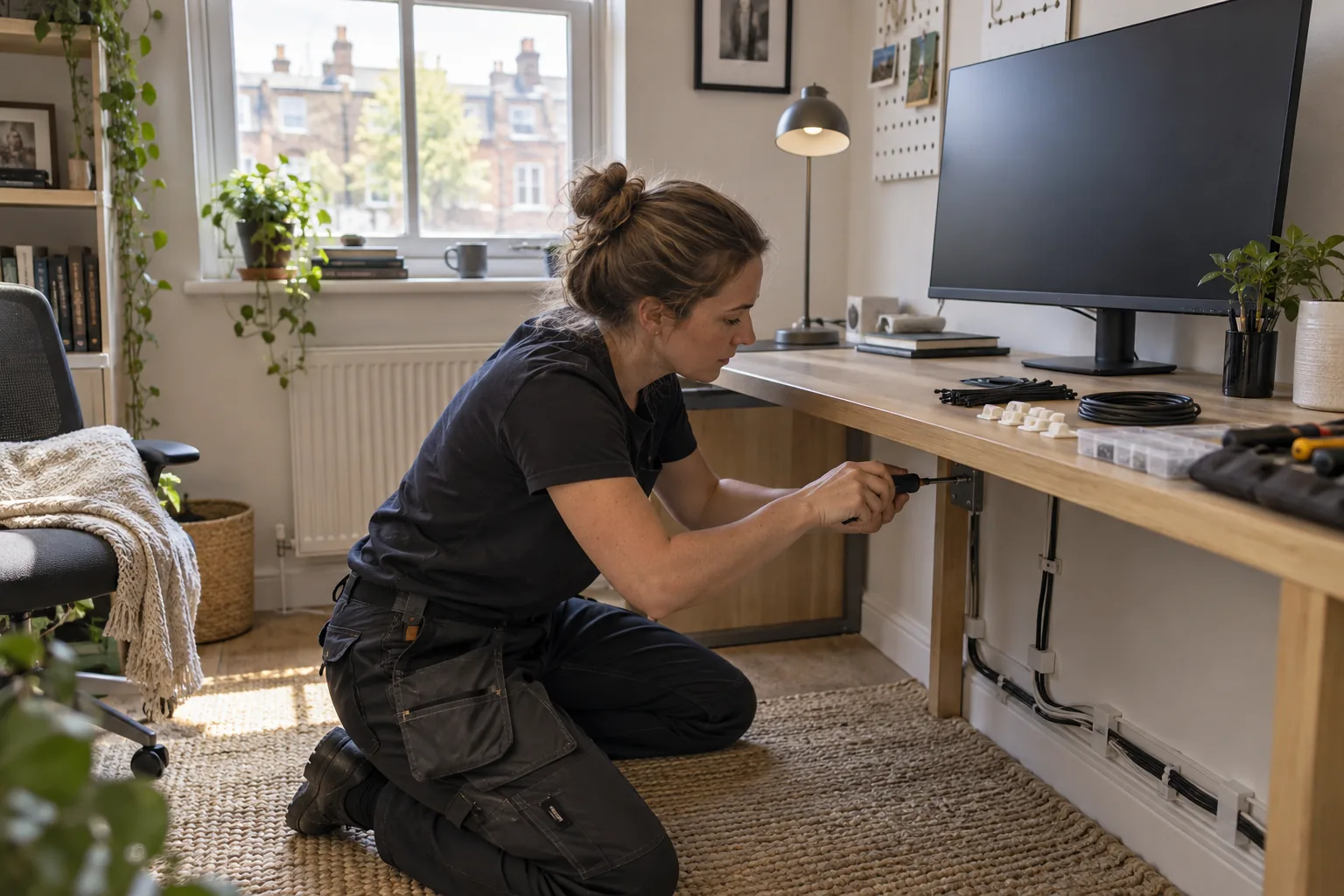
Write what can be seen or operated in the first column: loose handle, uneven gap, stain or missing part. Use the second column for confirmed responsibility, leaving it unconfirmed until the developer, landlord or owner replies. The third records the action and reference number. This prevents an observation being rewritten as an unverified diagnosis.
If a private handyman task is approved, add product and completion criteria. If the item stays with warranty or management, do not fill, paint or dismantle it for appearance. Close each line only with dated evidence. The log is especially useful when several parties are active around a new or changing development.
OBSERVATION TO CORRECT ROUTE
Give exact location, behaviour, dimensions and dated photographs.
Use warranty, landlord, manager or owner routes and retain the answer.
Define only the task that the resident can commission.
Test the result or retain the external reference for unresolved items.
DO NOT COVER THE CLUE
Do not repaint possible moisture evidence before its source and drying route are resolved.
Record width and context; repeated or significant movement needs professional review.
Keep packaging, manuals and handover evidence where a product or developer claim is possible.
NEARBY COVERAGE
Prepared household visits nearby.
Property help to the north.
See wider East London coverage.
CANNING TOWN SCOPE FAQ
No. Photograph it with scale and follow the developer, landlord or professional route first so evidence is not concealed.
Communal doors and safety systems belong with the responsible estate or building manager and authorised contractor.
Examples may include resident-supplied shelves, blinds, mirrors and furniture, subject to the lease, wall and building rules.
Check handover documents and product responsibility before sourcing. Keep labels and photographs if a developer or supplier claim applies.
It estimates defined private handyman labour. Warranty investigation, management work, materials and specialist defects are separate.
Use a completion photograph and test for private work, or retain the formal reference and response for external responsibility.
TAKE THE SAME PHOTOGRAPH TWICE
Choose a doorway or room corner that shows the defect and its context, then note the camera position. Add a close image with a ruler only where safe. Repeat both views after the responsible party acts. Consistent framing reveals whether a gap, stain or displaced component actually changed and prevents completion being judged solely through a fresh close-up. Keep dates and reference numbers with the images. Avoid photographing neighbours, access codes or private correspondence. For resident-authorised work, the same method records the wall before drilling and the completed product in relation to doors, sockets and ventilation. Store original files at full resolution so dates and useful detail remain available for later comparison.
SEND THE RESPONSIBILITY MAP
Include dated evidence, replies and approved products. Bob’s can price the suitable resident scope without weakening another claim.